The Company Cut Costs in Places It Shouldn’t Have
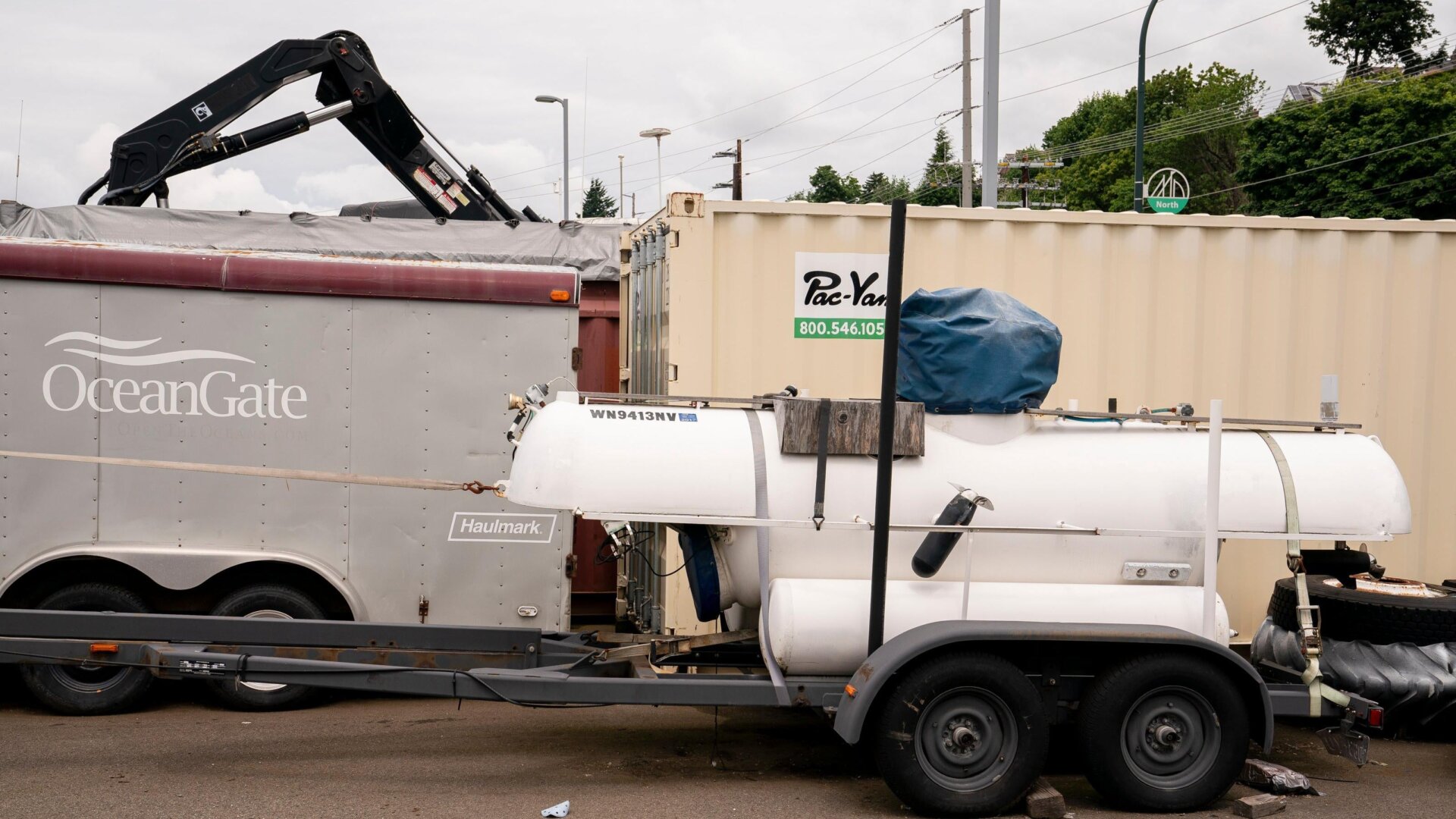
Multiple reports have shown that, to make itself economically viable (and/or profitable) OceanGate cut corners in places it really, really shouldn’t have. Backup safety mechanisms that are said to be standard in other deep sea diving expeditions were dispensed with at OceanGate. Stockton Rush, the company’s CEO (who perished with the other four Titan passengers during its recent ill-fated voyage) also admitted that he had “broken some rules” in his design of the Titan—particularly with its controversial hull, which was designed to be cheaper than a traditional hull and wasn’t standard for the industry.
In a recent New York Times podcast episode, journalist William J. Broad explained the riskiness of this strategy: “What they were proposing was extremely novel. They were making a very, very deep diving submersible out of materials that were not industry standards…It wasn’t a standard material for the deep sea. They said, ‘That will reduce the weight, which will reduce the costs,’ implying that those cost-savings were going to be passed on to consumers.” Broad also referred to the operation as “cheap, cheap, cheap.”
The OceanGate CEO also previously told CBS News: “I mean if you just want to be safe, don’t get out of bed, don’t get in your car, don’t do anything…At some point, you’re going to take some risk, and it really is a risk-reward question.”