Farming May Be Partly To Blame
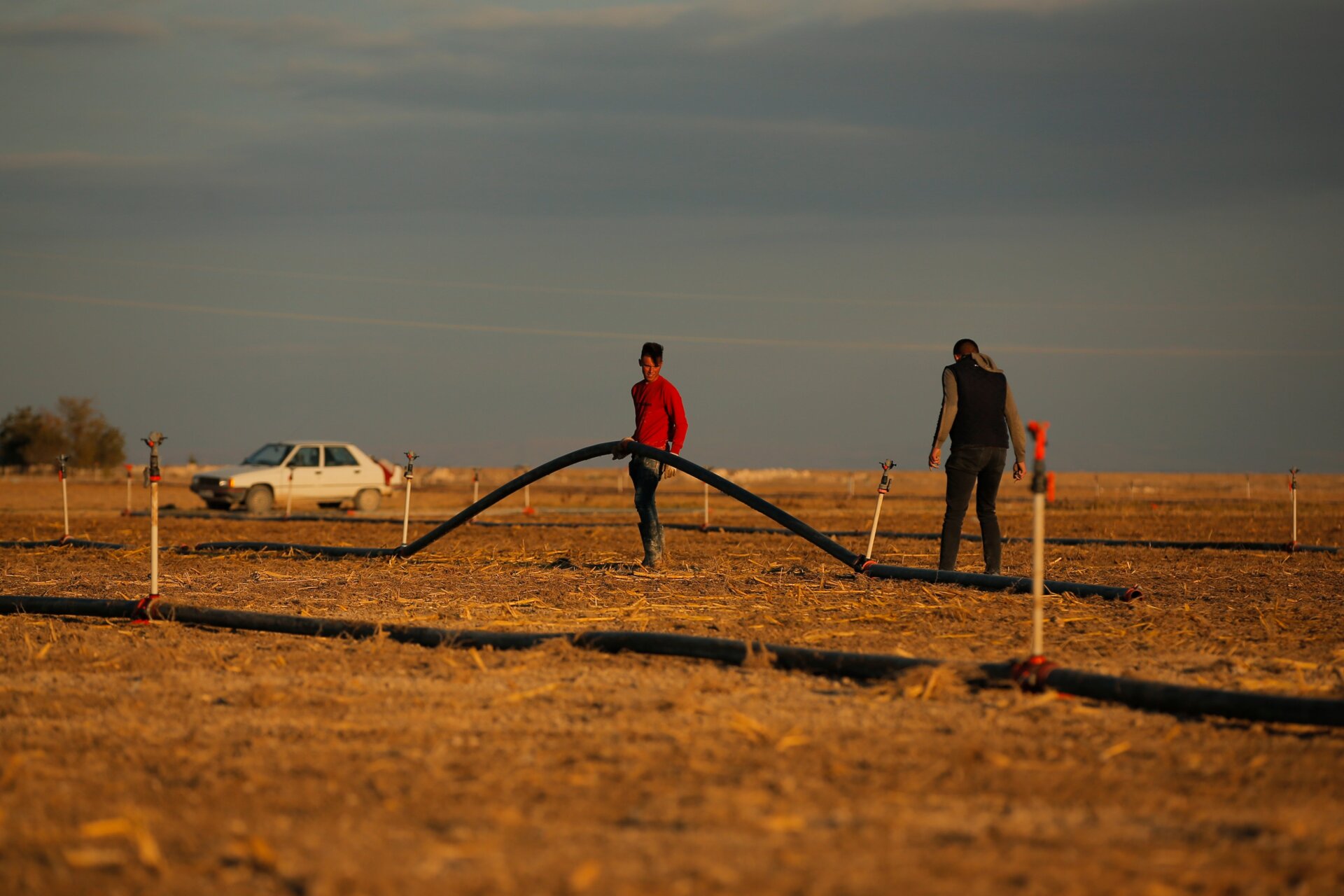
Like other salt lakes that are facing dire conditions—Utah’s Great Salt Lake dropped to a historic low this summer—experts say human overuse as well as climate change played a role in the situation at Lake Tuz. Aggressive irrigation practices for local agriculture have stressed the water supply in the lake, as farmers divert water and dig wells for water-intensive crops. Turkey faced a summer of devastating heat and wildfires, and drought conditions have been building for years. All are hallmarks of the climate crisis.
In 2000, Lake Tuz was granted special ecological protections by UNESCO, which were intended in part to help keep water levels stable and protect species in the lake. In July, the country’s minister of agriculture and forestry said that agriculture was not to blame for the dire water levels and subsequent flamingo deaths. However, environmentalist groups say that continued farming practices have combined with the drought to make water demand in the area skyrocket, outstripping supply by some 30% last year.



