Why Turtles Get Cold-Stunned at Cape Cod Bay
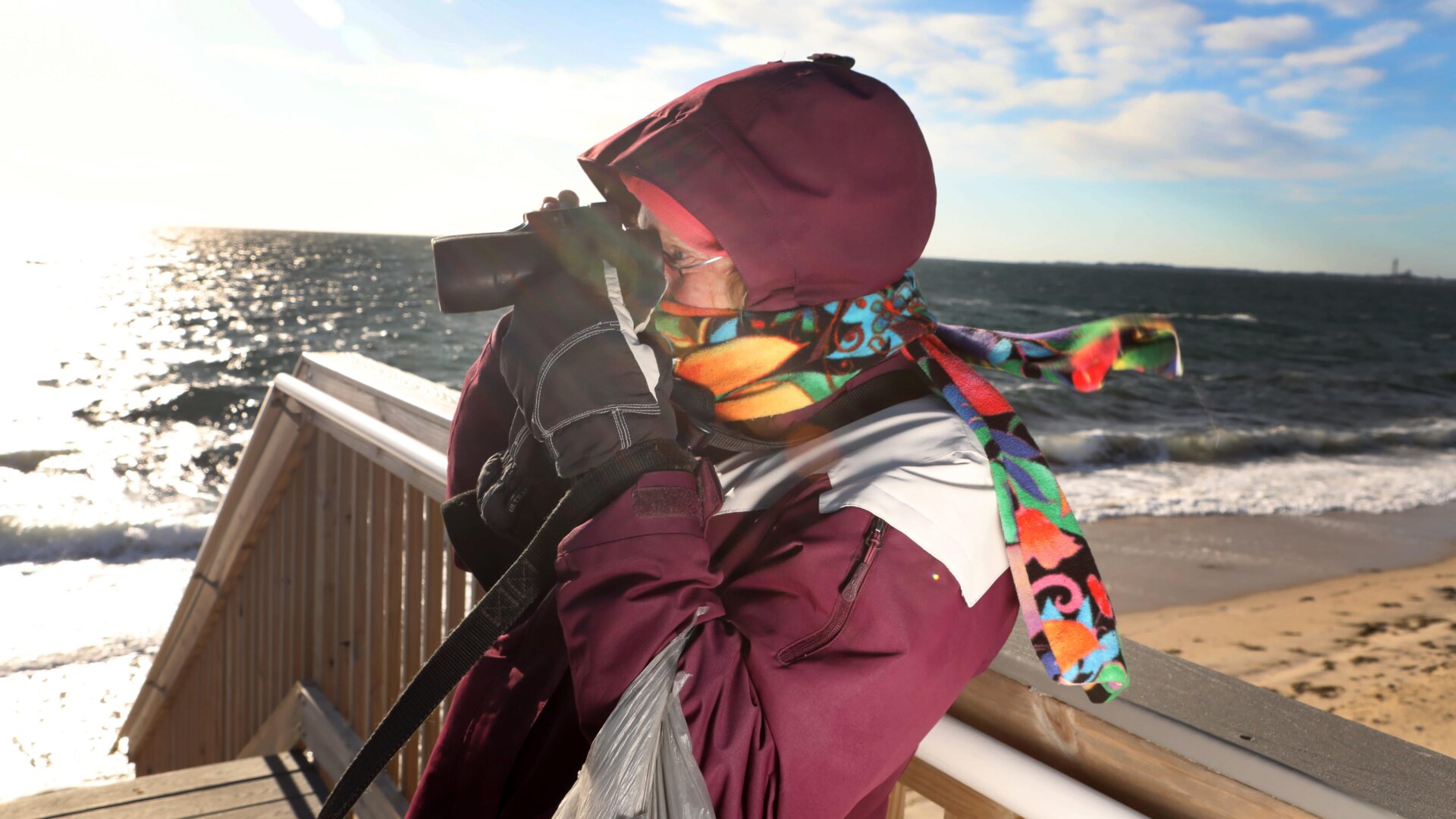
Why exactly the turtles are not leaving Cape Cod Bay in time and getting trapped in cold water is an open area of research. It could be that there is some genetic factor that’s not reading the environment right, or the fact that these are juvenile turtles and they lack experience. Climate change could also be a factor. The Gulf of Maine is one of the fastest-warming places on Earth. That’s made it an attractive feeding area for the turtles, but those same turtles don’t realize they might get trapped later on as winter sets in.
Any additional threat is one threat too many for the sea turtles, especially the endangered Kemp’s ridley. Though geography can trap them near the Cape and climate change may play a role, the biggest threat they face is another manmade menace.
“We [catch] them in shrimp nets, we poison them with the oil wells and all sorts of things like that,” Prescott said. “The Gulf of Mexico environment is deteriorating because of pollution.”



