HIV
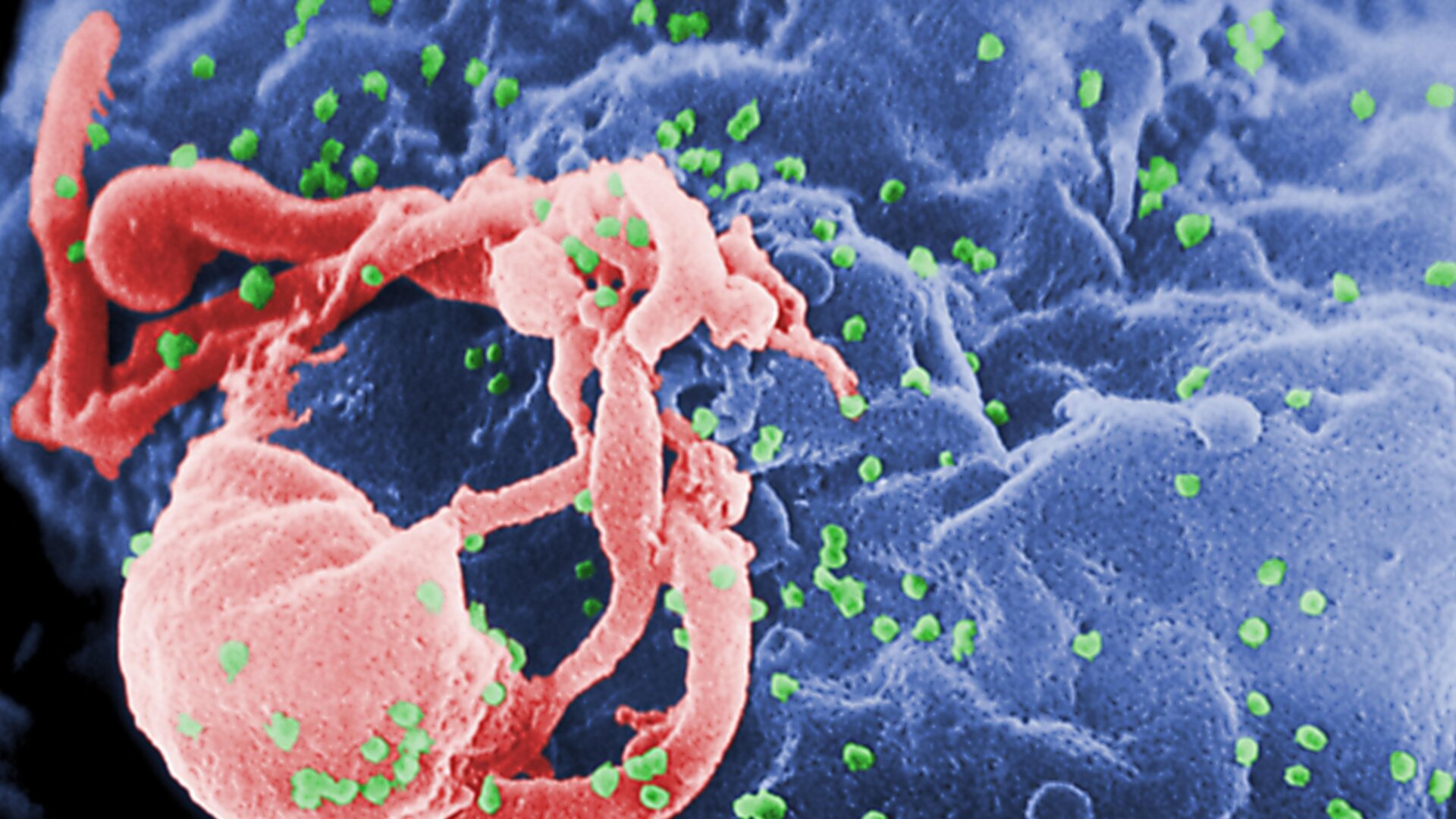
Big picture, there’s reason to be hopeful about the future of HIV. The annual rate of new cases and HIV-related deaths has steadily declined worldwide and in the U.S. over the years, thanks to dedicated treatment and prevention programs. Current treatments now allow those living with HIV to live as long as everyone else, even to the point of no longer being contagious. And there’s a real chance that the HIV epidemic as we know it could end within the next decade.
Unfortunately, global progress toward this goal has been unsteady as of late, in part due to the disruptions caused by covid-19. Another challenge we’re starting to face is the emergence of antiviral resistance. According to the World Health Organization, about 10% of new cases have a form of HIV resistant to the NNRTI drug class of antivirals, which are often front-line treatments.
For now, this resistance is a manageable concern. Other antivirals remain highly effective, and it’s already common practice to use a combination of drugs to limit the risk of resistance. Making sure that new patients can afford to keep taking antiviral treatment will keep the problem in check as well. But it’s a good reminder that the HIV epidemic will not end on its own quietly, and that we have to be ever vigilant against it.