The Arctic Circle
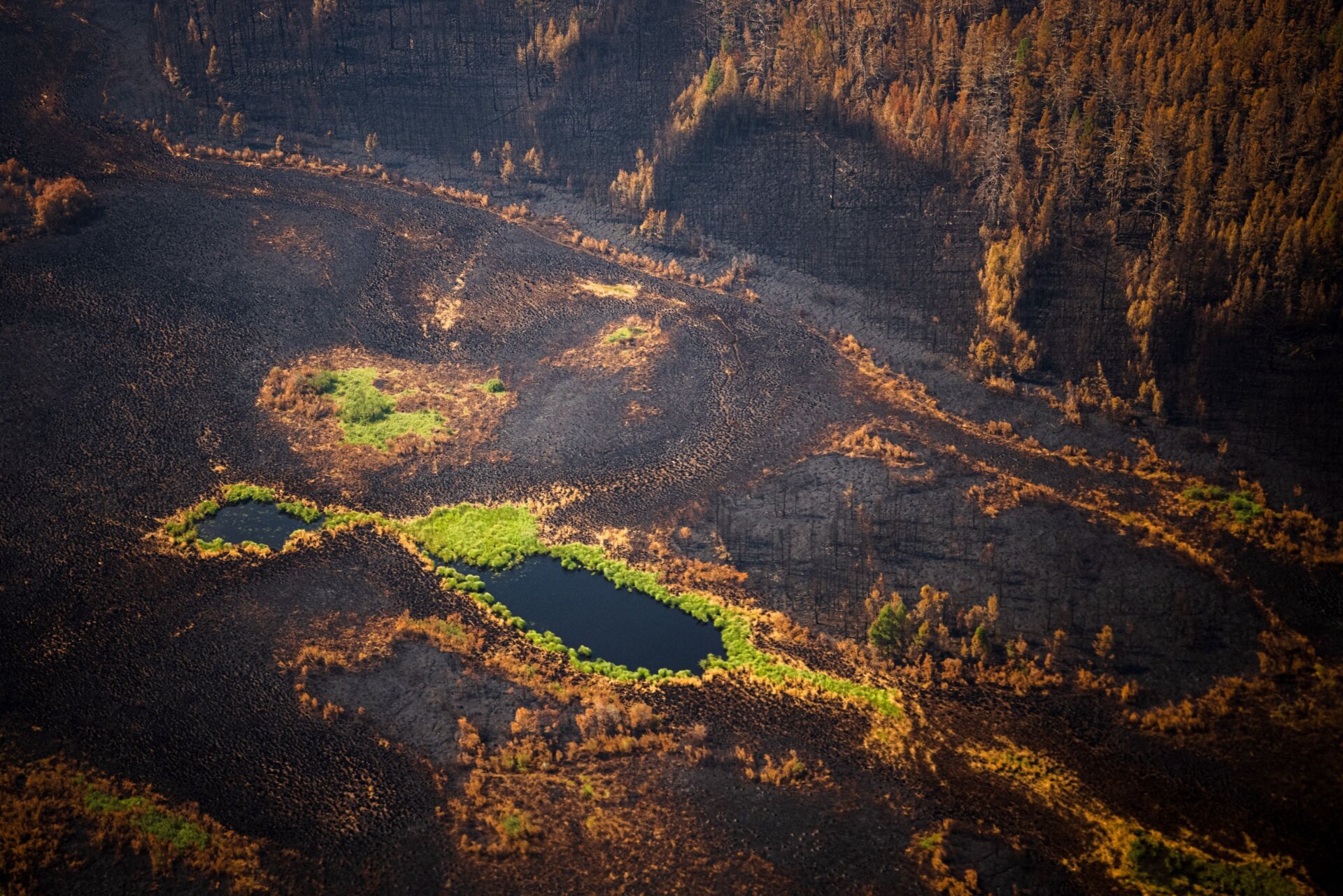
But extreme heat also affected some of the coldest places on Earth. On the top of that list has to be parts of Siberia in the Arctic Circle, which recorded ground temperatures topping 118 degrees Fahrenheit (48 degrees Celsius) in June. Ground temperatures are generally higher than air temperatures since heat dissipates more easily in the latter.
Intense ground heat poses a unique risk because of the damage it can do to frozen soil known as permafrost. Once it melts, it can release carbon dioxide and methane, potent greenhouse gases that can lock in more warming. Hot ground temperatures also helped sustain fires in the region from spring into fall, which released a record amount of carbon dioxide.



