6. Effects of the ‘kinetic impactor’ will be detected from Earth
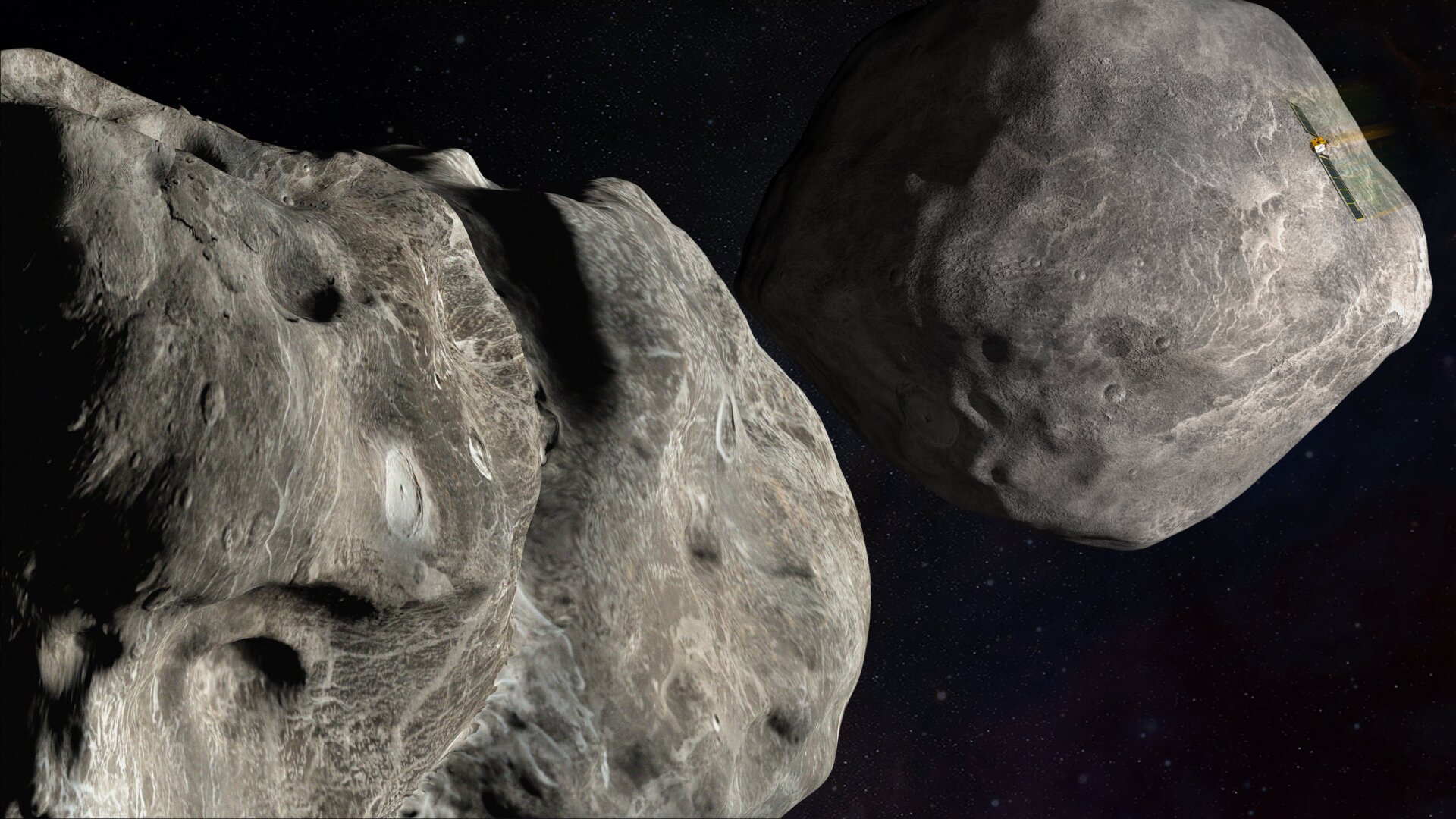
The European Space Agency will track DART’s progress using its Estrack Network, which includes dish antennas at Malargüe, Argentina, and New Norcia, Australia. Using an “ultra-precise deep-space navigation technique” called Delta-DOR, mission controllers will calculate DART’s position to a few hundred meters.
NASA says “ground-based telescopes and planetary radar” will be used to “measure the change in momentum imparted to the moonlet,” specifically changes in Dimorphos’s orbit around Didymos. Again, this should be a minor adjustment, and the system won’t suddenly pose a threat to Earth.