5. DART will reach its target in late 2022
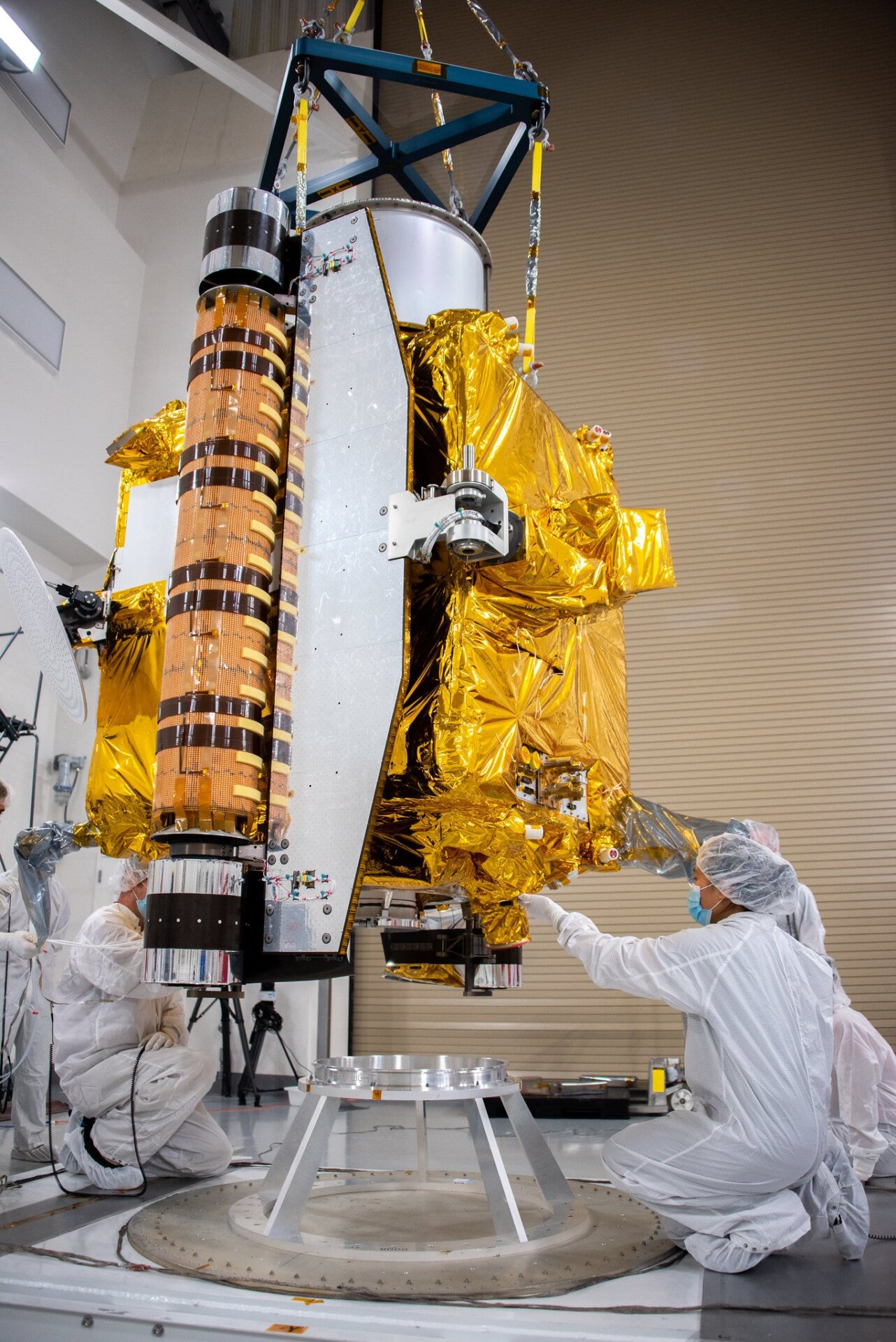
The autonomous targeting system is called SMART Nav, and it will allow DART to distinguish between Didymos and Dimorphos and then set a course directly towards the latter. Moving at 15,000 miles per hour (24,000 kilometers per hour), the 1,376-pound (620 kg) spacecraft will smash into the moonlet in late September 2022.
Excitingly, DART is bringing a companion spacecraft along for the ride: a cubesat named LICIACube. Developed by the Italian Space Agency, this spacecraft will separate from DART 10 days before impact and capture images of the encounter, which it will do with two cameras named LUKE and LEIA. LICIACube will then transmit these images back to Earth, so we should be able to see DART’s destruction in gory detail.