The Role of Restaurants
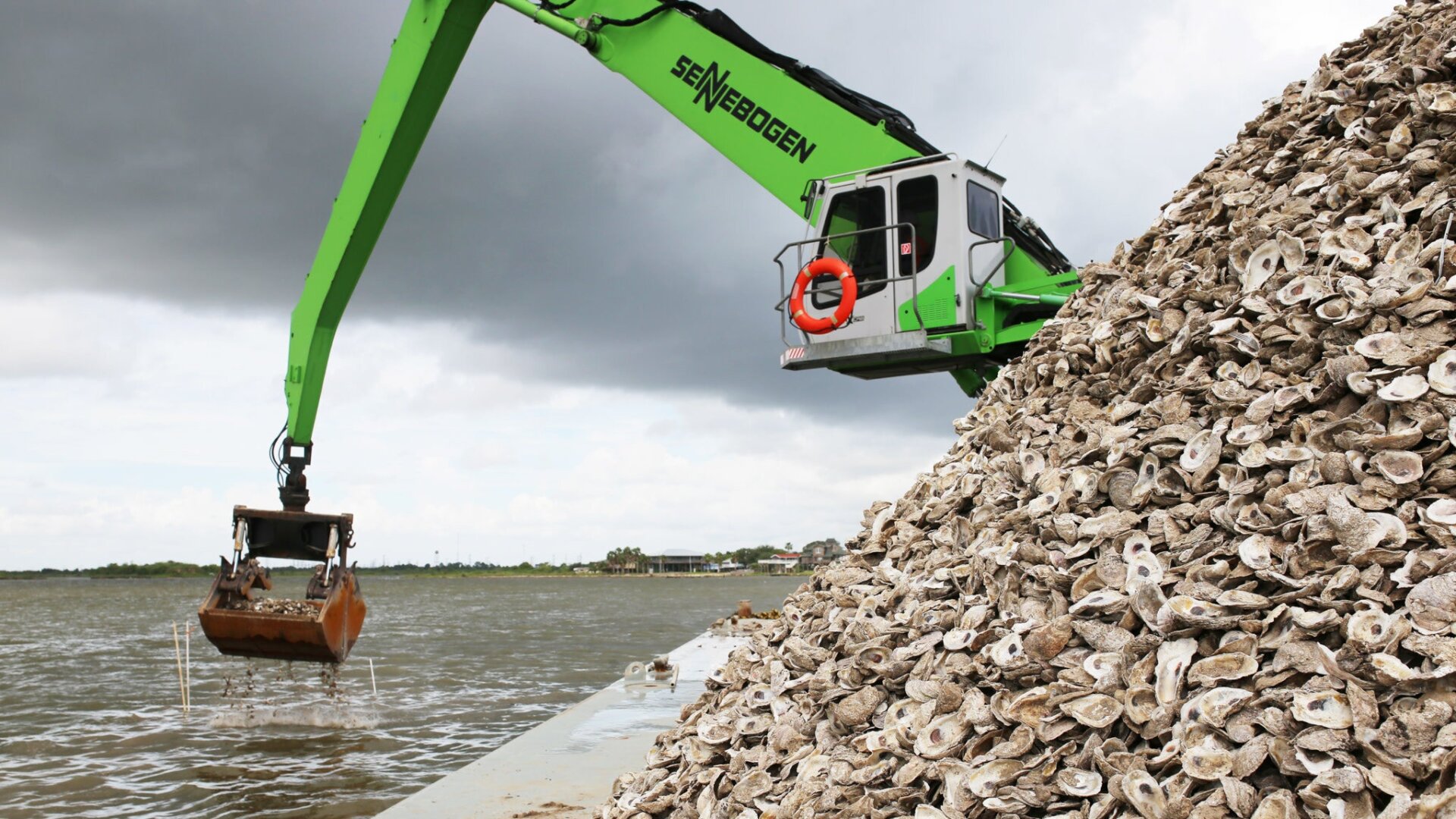
Although the program appears simple in its design, it involves a lot of hard work and coordination. Restaurant owners are very busy people and can be tough to get in touch with, Leija said.
Tollett, from Tommy’s Restaurant Oyster Bar, is a prime example of this. He was the first in the program, and recalled that he didn’t want to see the shells go to a landfill. After researching the matter, he found that shells were important for oyster growth and wanted to find a way to get those leftovers at his restaurant back into the bay. He contacted the foundation and has been working with them since. There were a few road bumps, Tollett said, such as flies, smell, and how often the bins were picked up, but they worked them out.
“We met with our staff to explain the importance of this project and [how] we needed them to participate,” Tollett said. “It was actually very easy for staff to understand the process. We have always encouraged staff to live sustainably and this was a great way to help the bay.”
To date, Tollett said his restaurant has recycled more than 1 million pounds of oyster shells back to the bay. Leija said that one lesson they’ve learned is that if they can get the owner, manager, or kitchen manager invested in the effort, recycling is a “flawless transition” with the restaurant’s staff.



