‘Deepfake’ Claims Helped Lead to a Coup in Gabon
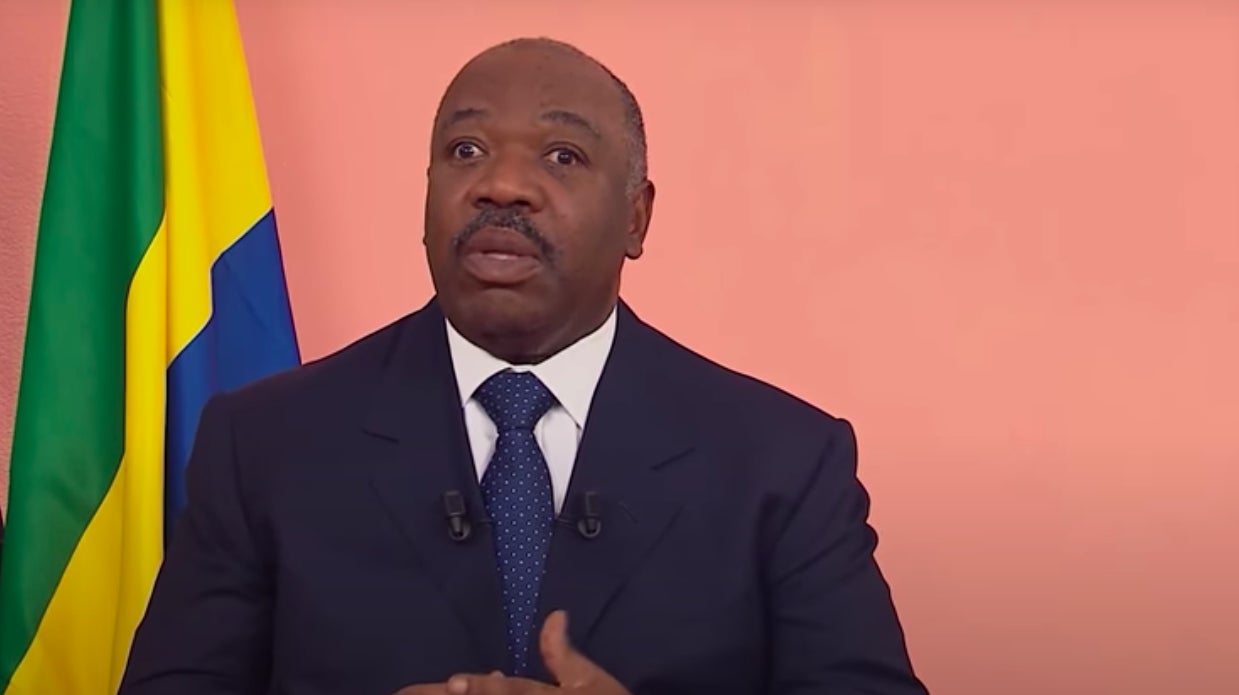
AI researchers and misinformation experts have, for years, warned deepfakes, or inaccurate claims of deepfakes, could have devastating consequences for democracy. In the West African country Gabon, such false claims have already helped spark a coup d’etat. In 2018, the country’s ailing president Ali Bongo Ondimba returned from a trip to Saudi Arabia after reportedly experiencing a health issue. Ondimba didn’t make public appearances for weeks which led to an outpouring of rumors speculating about the severity of his ailment. Critics started claiming the few images released showing Ondimba in public were actually body doubles.
When Ondimba finally addressed the public in a much anticipated New Year’s Eve statement, some rushed to claim it was the result of deepfake technology. Viewers said his unusual facial expressions, which were likely the result of him suffering a stroke, were actually signs of digital manipulation. Already frustrated political opponents used the deepfake argument as a justification to take action and reclaim political power. Within days, armed soldiers from Gabon’s elite Republican Guard took control of a radio station and called on the public to “Rise up as one and take control of the street.”