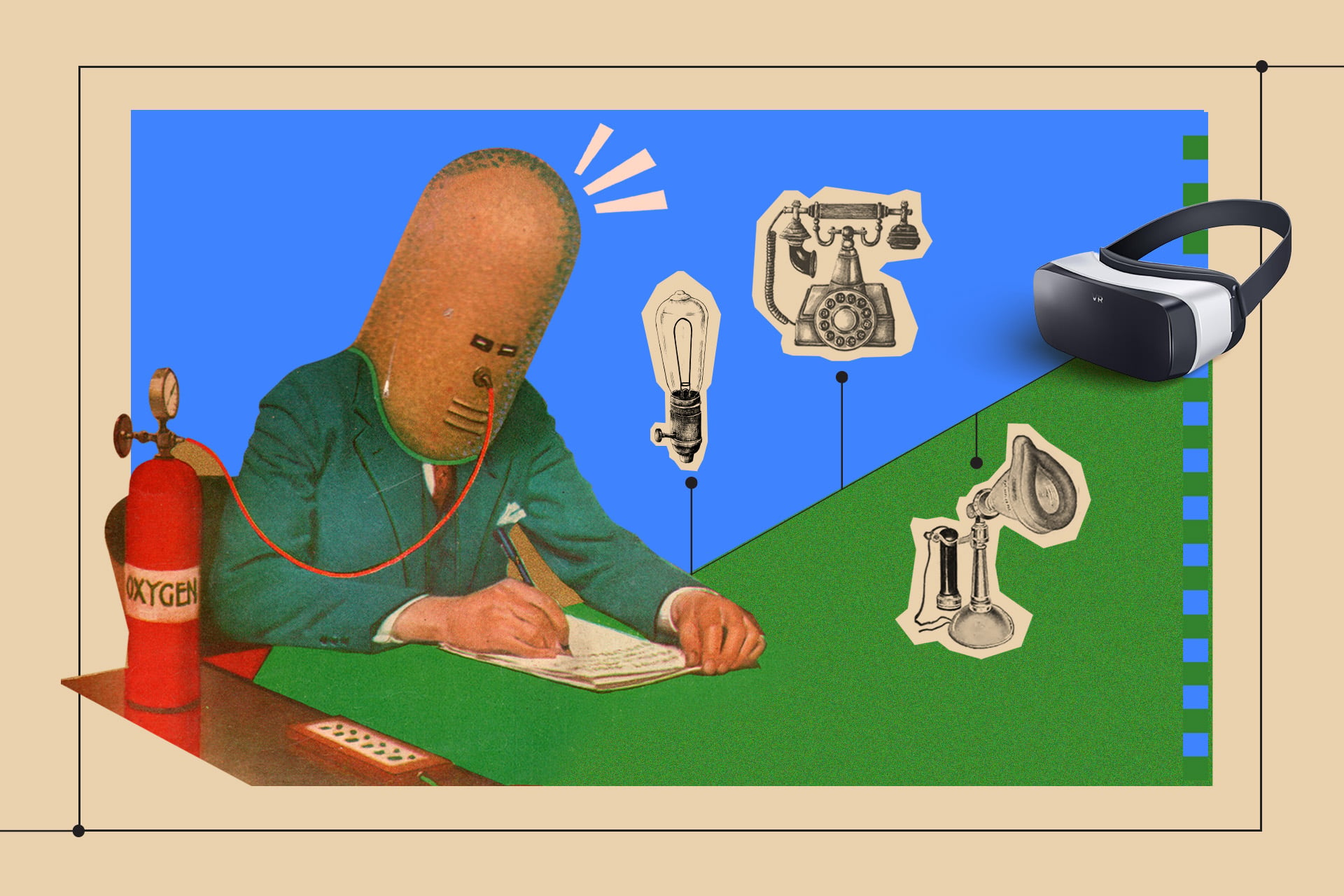
When we think of wearables, the first things that come to mind are smartwatches and smart rings. But wearables weren’t invented in the 21st century. Humans have long attached weird little gadgets to their bodies. And, believe it or not, some of the strangest were developed 100 years ago.
Granted, these inventions may not seem so outlandish to us here in the year 2026. But if you put yourself in the shoes of someone living in the 1920s, you can imagine how odd many of these gadgets would appear.
A century ago, broadcast radio was just becoming mainstream. The first transatlantic flights were taking off. The decade was one of unlimited possibilities—and it ended with the stock market crash of 1929 and the start of the Great Depression. But in the 1920s, the impossible often seemed possible.
The Isolator helmet
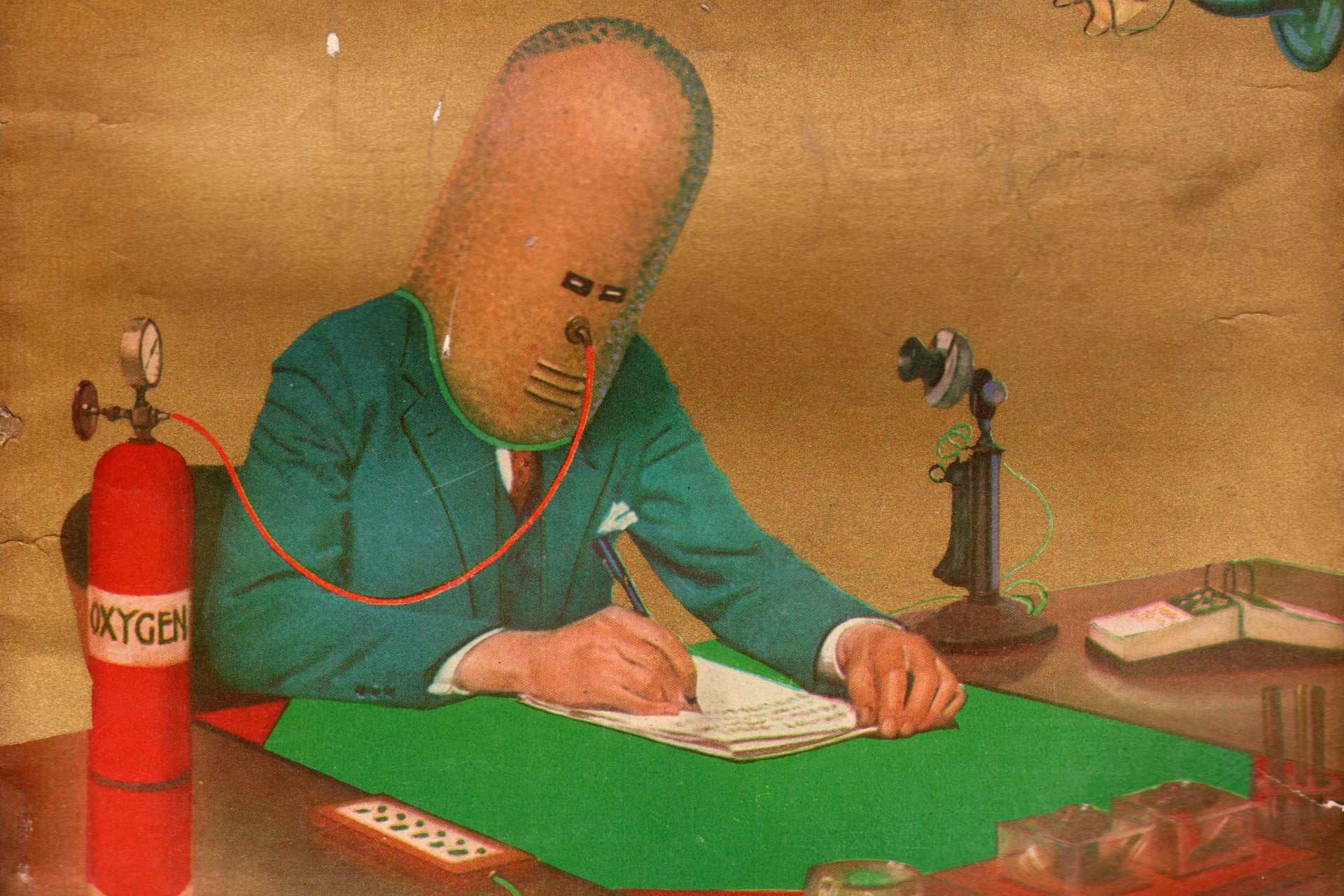
Do you ever wish you could just cut out all of those outside distractions and get some work done? Today, we’ve got noise-canceling headphones and any number of apps to lock you out from your usual distractions. But back in 1925, you had to resort to more… drastic measures.
Enter the Isolator helmet, an idea from Hugo Gernsback that was featured on the cover of the July 1925 issue of Science and Invention magazine. Gernsback, a legend in the world of science fiction, edited the magazine and was always sharing the weird inventions he dreamed up. Despite the sci-fi bent, Science and Invention was earnestly a place where he parked ideas that could be made real, at least someday.
Gernsback explained in the magazine why he thought his invention was such a good idea:
The writer, who has to perform almost daily, in connection with his editorial duties, many tasks that involve considerable concentration, has found out that it is almost impossible to keep his mind on a subject for five minutes without disturbance. For that reason, he constructed the helmet shown in the accompanying illustrations, the purpose of which is to do away with any possible interferences that prey on the mind.
Gernsback even made a prototype, according to his article on the topic, but it wasn’t easy.
The problem was first to do away with the outside noise. The first helmet constructed as per illustration was made of wood, lined with cork inside and out, and finally covered with felt. There were three pieces of glass inserted for the eyes. In front of the mouth there is a baffle, which allows breathing but keeps out the sound. The first construction was fairly successful, and while it did not shut out all noises, it reached an efficiency of about 75 per cent.
Gernsback claimed that, in the course of his experiments, he built a device that could cut out 90-95% of all sound. But there was at least one major hazard: He said that wearers could become “drowsy” after 15 minutes, so he included an oxygen tank, which “increases the respiration and livens the subject considerably.”
Needless to say, his invention didn’t take off.
The shockwatch
The smartwatch of 2026 has all kinds of ways to monitor your health, but the smartwatch of 1927 was all about bringing the pain.
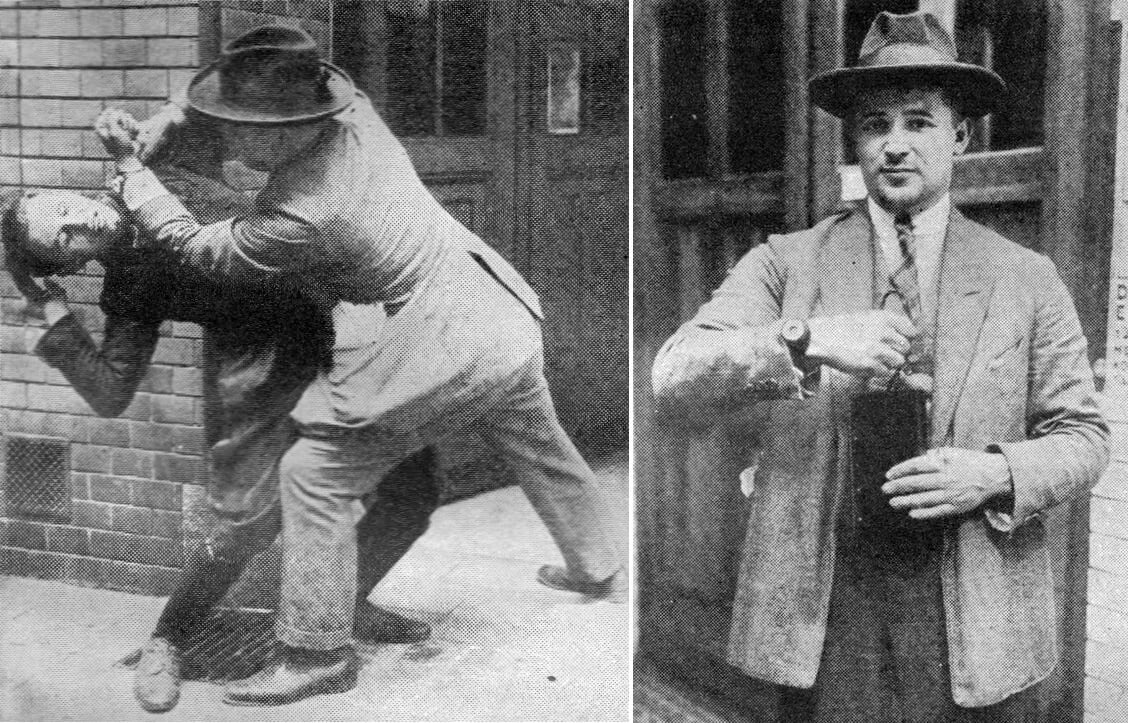
Science and Invention magazine featured more than a few different ideas for inventions to deter what it called “thugs and bandits.” And the March 1927 issue featured an idea from inventor Emil Pruss for an electric wrist band, or, as the headline read, “Electric Wristlet Baffles Assailants.”
It seems Pruss himself called it a “protector” and was more than happy to pose for pictures with his device, as you can see above. The caption to the photo on the left read: “By the use of an electric wrist band, similar in shape to a wrist watch and strap, it is said to be possible to disable an attacker by rendering him temporarily unconscious.”
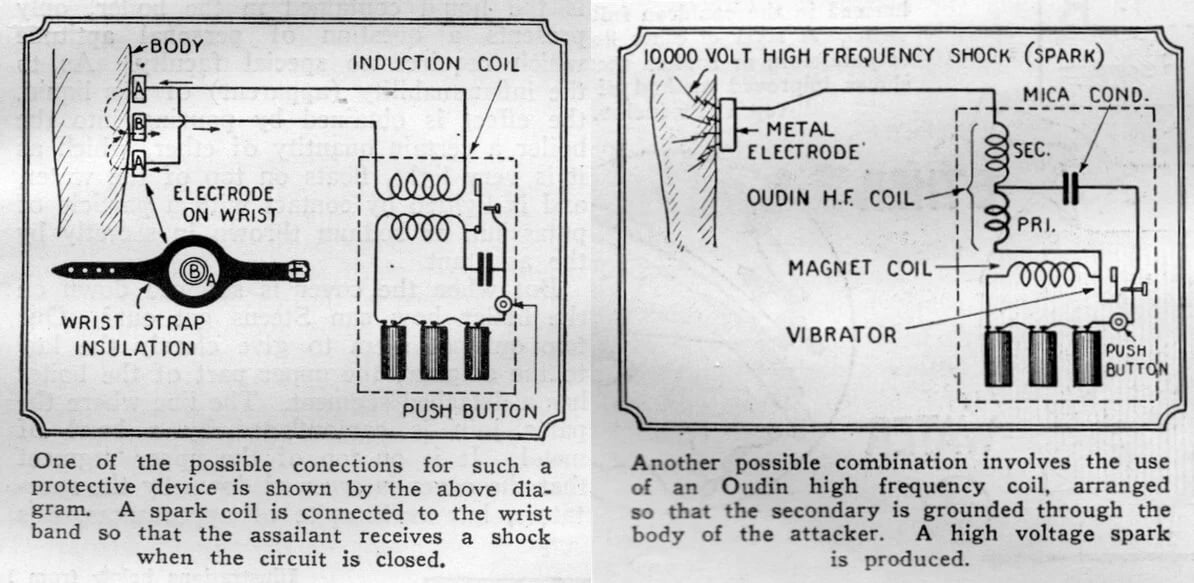
The article even included two illustrations that depicted how the watch might be designed, including one schematic that showed how a 10,000-volt shock might be delivered.
Wearable hat radio
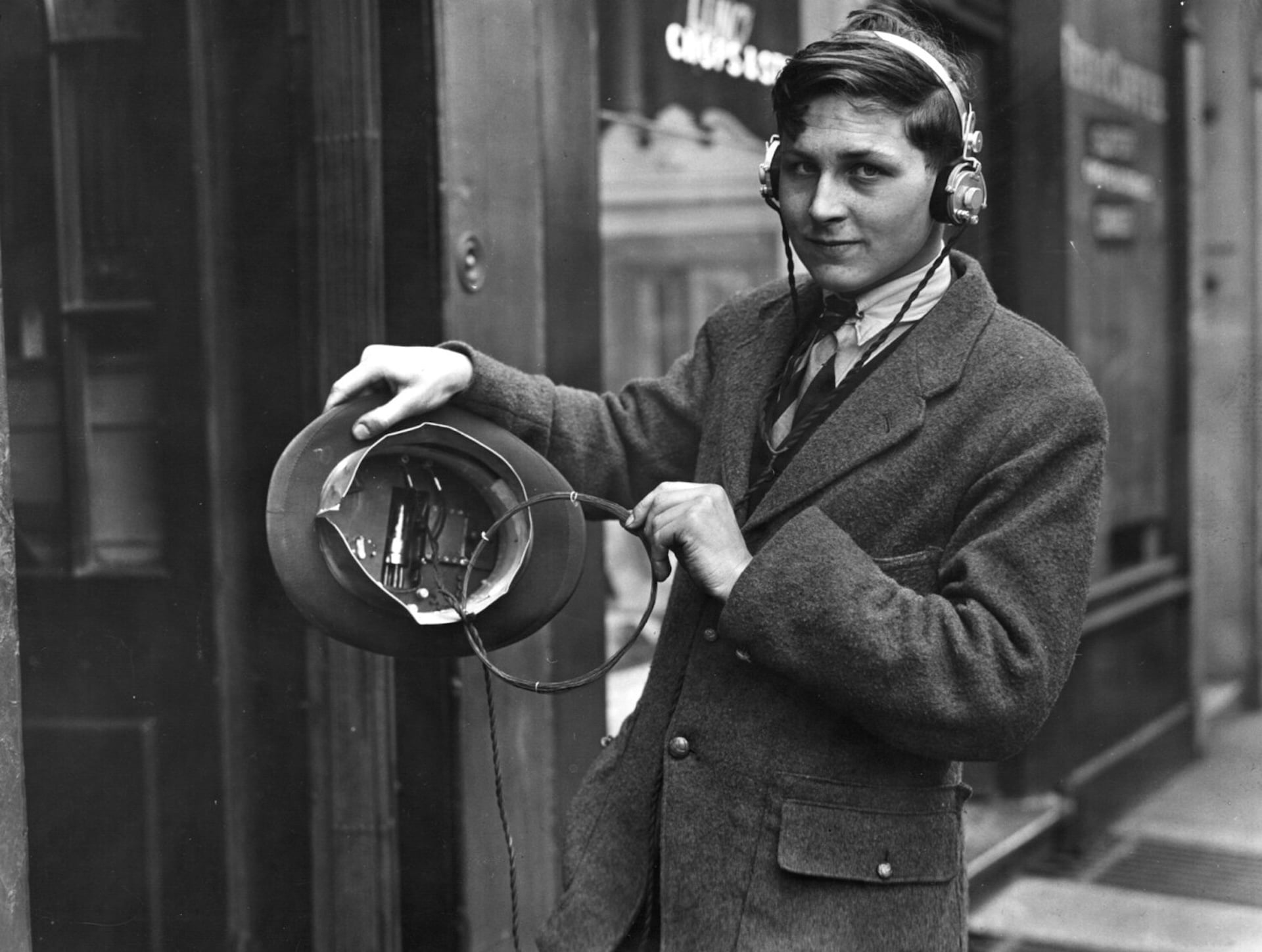
The world of radio in 1922 was still in its relative infancy. Less than 1% of U.S. households owned a radio receiver, and the first coast-to-coast radio broadcast was still two years away. But radio nerds and other early adopters were getting incredibly creative with the tech, including 18-year-old inventor H. Day, who built a radio to be worn under his hat.
This gadget helps remind us that our perception of “weird” is tightly tied to our time period. Anyone who saw him on the street back then almost certainly thought he looked bizarre, but today? In 2026, his headset wouldn’t merit a second glance.
We can see examples of this shift in acceptance in more recent times. Google Glass was original enough that everyone could spot them and ostracize “glassholes” back in 2013. Now, Meta’s smart glasses are more easily slipping into daily life—despite a wave of bans.
Clip-on headphones
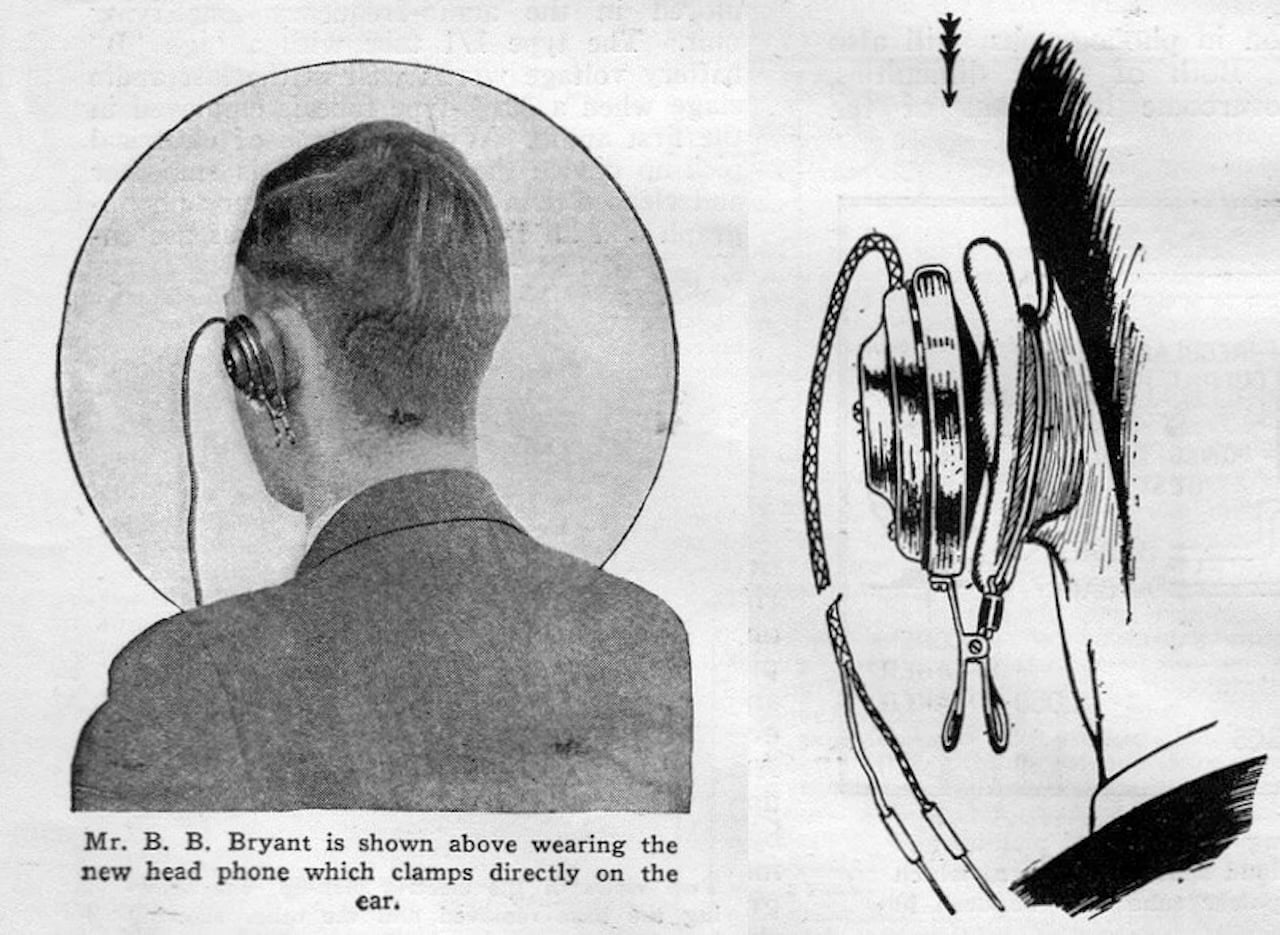
Another wearable device that would’ve turned heads in the 1920s was the clip-on headphone of that era.
This photo and illustration ran in the June 1927 issue of Science and Invention and is credited to Mr. B. B. Bryant, an inventor in France. The article referred to it as a “novel device” that used a thin metal band which “clamps the receiver directly on to the wearer’s ear.”
It looks wildly uncomfortable, but the magazine insisted otherwise, explaining that the headphone is “extremely light in weight and does not inconvenience the wearer.”