Houston, we have an overdose
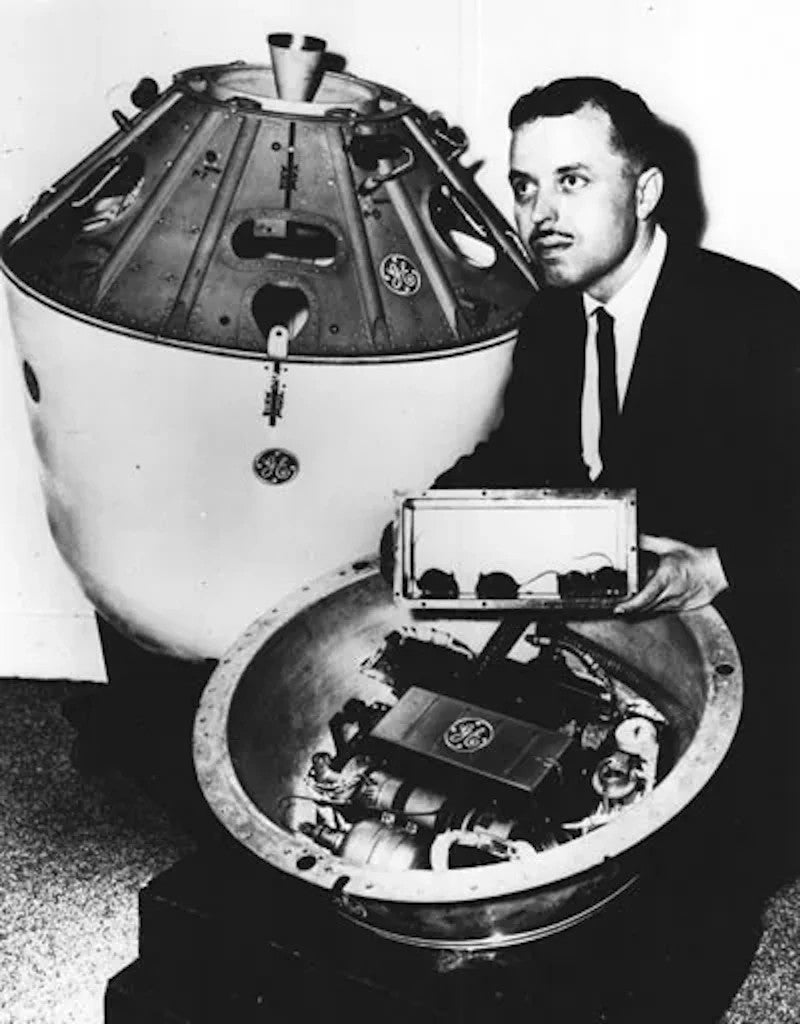
Photo: USAF
The first mice to reach space did so in the 1950s, but these early missions often ended in disaster. In 1959, the U.S. Air Force scrubbed a launch attempt from Vandenberg Air Force Base in California when sensors failed to detect signs of life in the Discoverer 3 capsule. The four mice were found dead, having overdosed on the krylon paint sprayed onto their cages to cover the rough edges. The mice had evidently found the krylon to be tastier—and deadlier—than the formula provided to them.
A second launch attempt with a back-up mouse crew was also scrubbed when sensors recorded 100% humidity inside the capsule. “The capsule was opened up and it was discovered that the sensor was located underneath one of the mouse cages,” according to NASA. The sensor was “unable to distinguish the difference between water and mouse urine,” and the launch proceeded after it dried out, according to the space agency. The rocket finally managed to blast off on June 3, but the rocket’s upper stage fired downward, sending the vehicle—along with the four mice—crashing into the Pacific Ocean. Clearly, it was a mission that simply wasn’t meant to be.