SPR Dips to Lowest Point in History
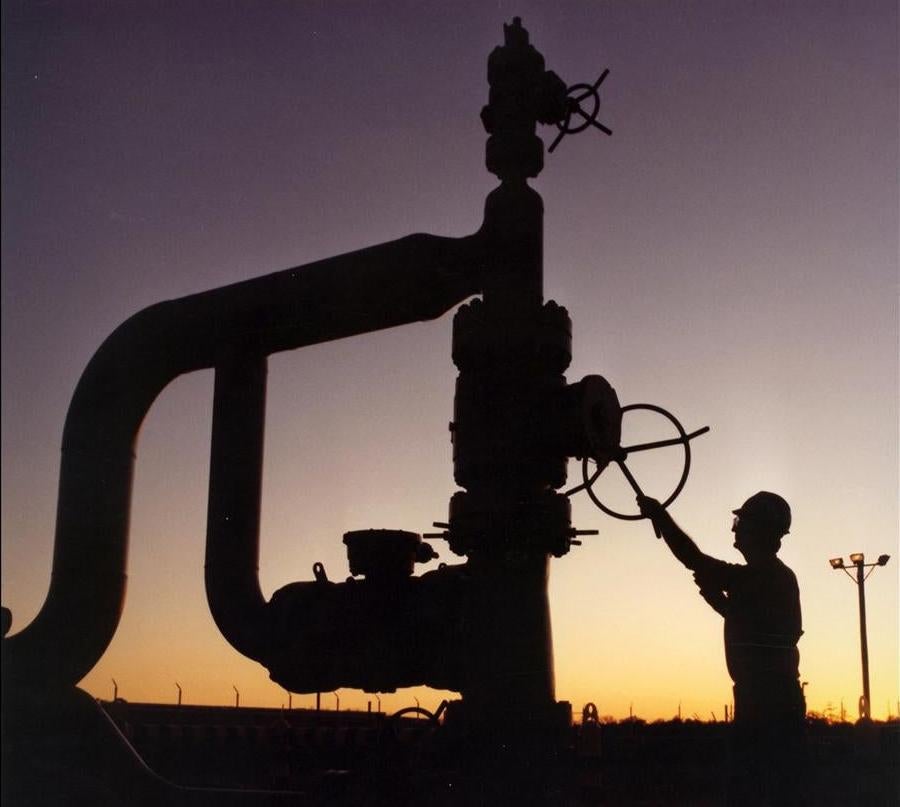
Amid soaring gas prices, and with his political party facing a tough midterm election, President Joe Biden this earlier year announced a plan to release 180 million barrels of oilover a period of several months from the Strategic Petroleum Reserve, the U.S.’s stockpile of emergency oil supplies kept in underground salt caverns in Louisiana and Texas. By the time the planned release was done, the Reserve had dropped to its lowest levels since it was started in the 1970s during that decade’s energy crisis. (There’s still quite a lot of oil left in those caverns: even at its lowest levels, there was still around 400 million barrels in the SPR.)
Releasing oil from a national energy reserve isn’t unusual during an energy crisis—even if it’s by an administration that has supposedly made climate change a top priority. But the SPR’s new low levels illustrate what a whiplash few years it’s been in the energy space. Less than three years ago, as the pandemic sent oil prices into the negative, the Trump administration was offering to fill up the SPR (the move was ultimately blocked by Democrats in Washington, who recognized it as a bailout for the struggling oil industry). The administration has already started buying oil to replenish the SPR, but with energy prices as wild as they have been over the past few years, anything could happen.