English Ivy
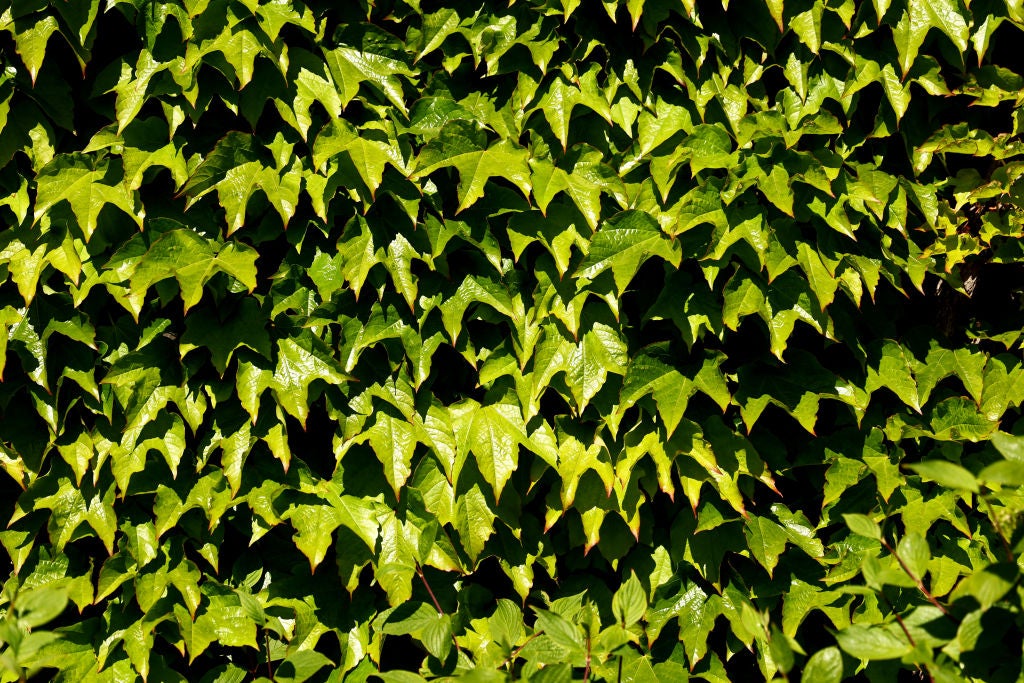
When it covers the side of a home, this vine may look like something out of a charming old college town. But much like its country of origin, this plant has colonized other nations and is responsible for much destruction in the United States.
English ivy literally suffocates trees, making it hard for necessary sunlight to get through. It also carries “Bacterial Leaf Scorch” which is a plant pathogen that hurts native plants along with oak trees and elm trees. It’s currently growing in more than half of the states in the country and is often even sold in Home Depot. The plant is touted as being low maintenance, but it takes over most of the environments it thrives in, so maybe consider planting native perennials instead.
Many sources suggest spraying herbicides to get rid of the vine, but there is a greener alternative—dousing the plant with white vinegar. Other removal methods include mowing ground level ivy vines and ripping the roots out of the soil.