Role Jellyfish Play in the Ecosystem
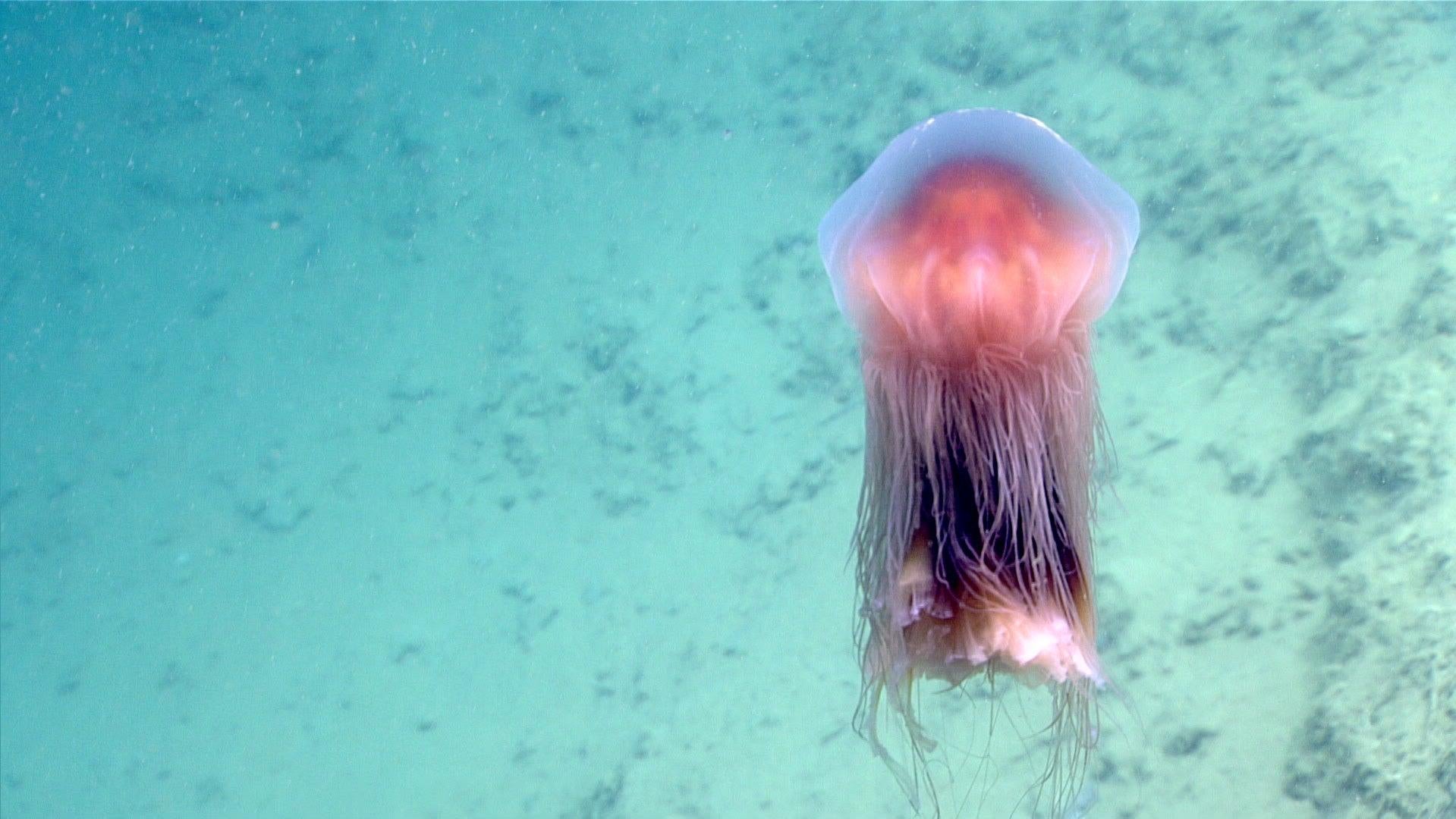
Jellyfish aren’t just cool creatures to look at; they play numerous roles in the ecosystem. According to Collins, new techniques such as eDNA metabarcoding to detect diets have made it abundantly clear that lots of different organisms eat jellyfish. These critters are also being increasingly recognized as important parts of the carbon cycle, he said.
A study published in 2020 found that carcasses of gelatinous zooplankton, which include jellyfish and salps, could sequester more than 500 million metric tons of carbon to the seafloor annually. Experts have also found that large jellyfish blooms, or vast aggregations of jellyfish, are important in the nitrogen cycle. Collins explained that jellyfish produce a lot of ammonium that jellyfish-associated microbes turn into more than enough nitrogen to support primary production.
Jellyfish aren’t always ideal in every situation, though. Jellyfish blooms can be disruptive to fisheries by eating fish larvae. Too many jellyfish in the water can pose danger to swimmers and can clog machinery at coastal power plants, which can lead to power outages. Invasive jellyfish are also a growing problem and pose potential threats to native species.