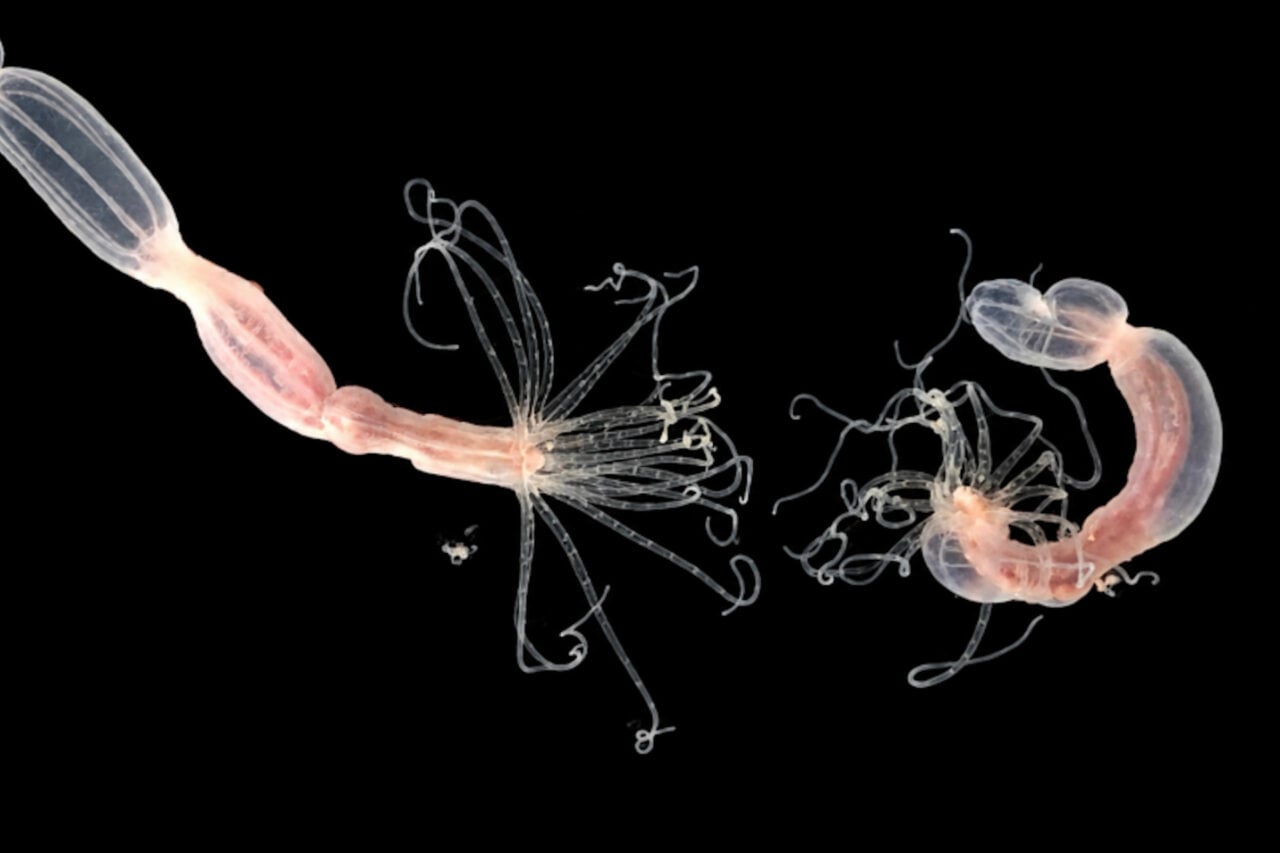
Jellyfish are largely misunderstood as a brainless, stinging nuisance that often fall victim as bycatch in net fisheries. Yet, these ancient, translucent creatures are an excellent source of pure marine collagen that can be used in food, medicine, and cosmetics.
A group of marine biologists from the Catholic University of Valencia in Spain are proposing a way to make use of jellyfish bycatch rather than letting their blob-like carcasses go to waste. The study, published in Frontiers in Marine Science, suggests ways to extract collagen from jellyfish accidentally caught by fishing nets so that they can be used as a valuable, sustainable resource that could support small-scale fisheries.
Zero waste
The researchers behind the new study sat down with members of four fishing guilds in the Spanish Mediterranean to assess their willingness to make use of the jellyfish bycatch instead of throwing it away.
Jellyfish populations are growing due to warming oceans and overfishing, which means the tentacled invertebrates are popping up in net fisheries more often. This creates a problem for fishing operations as it increases the time and labor required to sort through the nets while making less room for valuable fish to be caught.
“Our research is important because it shows that environmental challenges can sometimes become opportunities when approached creatively and collaboratively,” Raquel Torres, a PhD student at the Institute of Environment and Marine Science Research at the Catholic University of Valencia and co-author of the new study, said in an interview. “Jellyfish bycatch is often seen as a nuisance for fishers because it damages nets, increases workload, and can reduce the value of commercial catches.”
The research aims to demonstrate that rather than just being a nuisance, jellyfish bycatch can also be used to extract collagen without compromising the quality of the biomaterial. “We propose a circular bioeconomy solution: reducing waste, creating new economic opportunities, and supporting small-scale fisheries at the same time,” Torres added.
Not such a nuisance after all
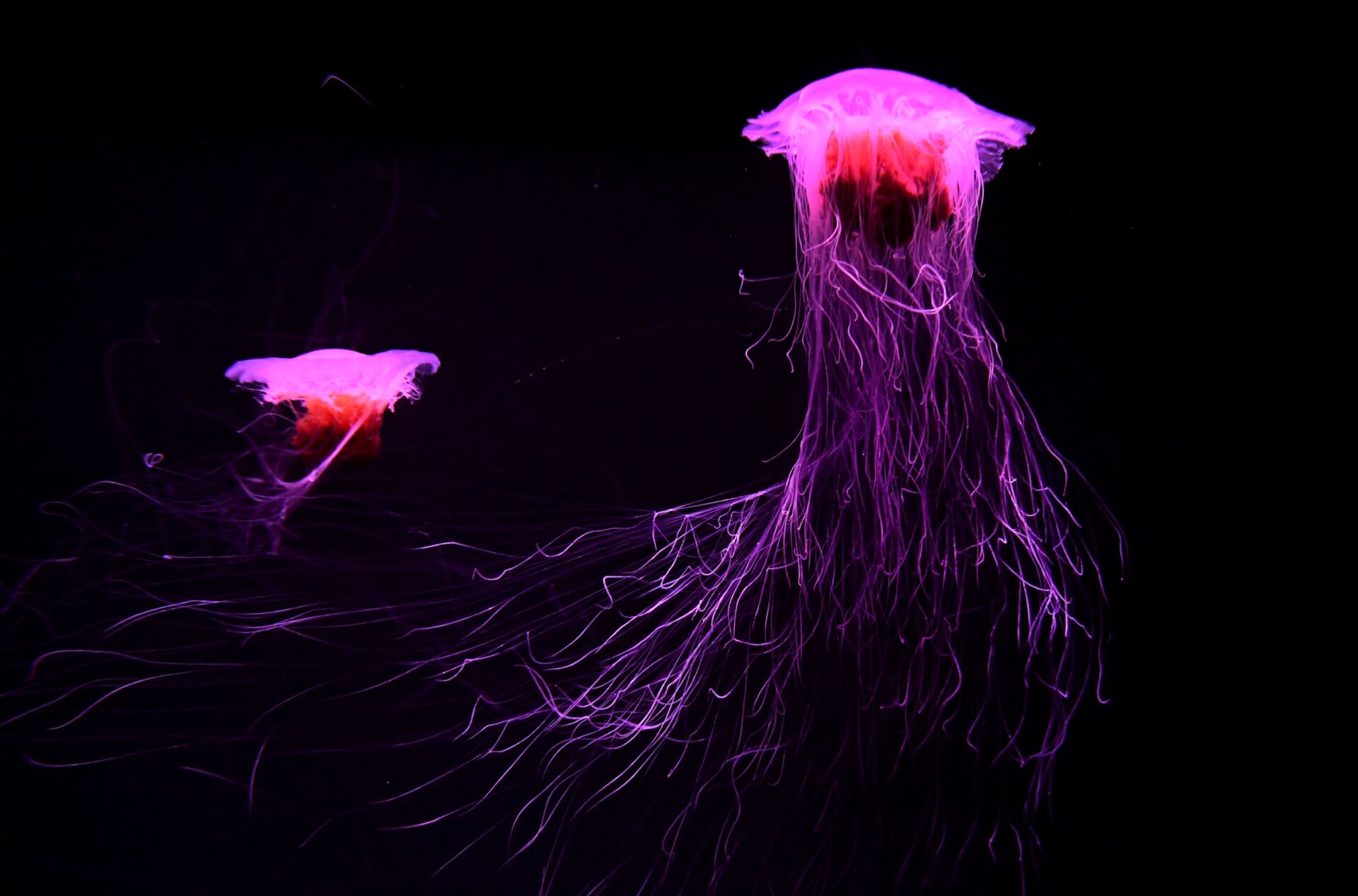
The most common bycatch species is the barrel jellyfish (Rhizostoma pulmo). In the lab, the researchers extracted collagen from barrel jellyfish accidentally caught in fishing nets as well as individuals carefully collected by hand net to better preserve their structure.
By comparing the two extracted samples, the researchers found that the collagen obtained from bycatch jellyfish maintained its structural integrity and had very similar quality to that which was obtained from carefully collected specimens. “In other words, despite being considered a discarded material, the accidental capture did not significantly damage the collagen,” Torres said. “This supports the feasibility of using jellyfish bycatch biomass as a sustainable raw material and demonstrates its significant biotechnological value.”
The extracted collagen has a wide range of applications, including skin care products, wound dressings, scaffolds for tissue regeneration, and possibly food-related products. Marine collagen is emerging as a potentially superior alternative to mammalian collagen, which primarily comes from the connective tissues, skin, bones, and tendons of livestock, as it has a lower risk of transmitting diseases and is not restricted by religious dietary rules.
Through the recent study, the researchers are hoping to show that waste material doesn’t automatically translate to lower quality.
“One common misconception is that jellyfish are only harmful organisms with no positive value. While blooms can create challenges, jellyfish are natural components of marine ecosystems and can also provide ecosystem services and useful biomaterials,” Ainara Ballesteros, a postdoctoral researcher at IMEDMAR and the lead author of the new study, said in an interview. “Our results show that, with proper handling and scientific validation, bycatch biomass can become a valuable resource.”