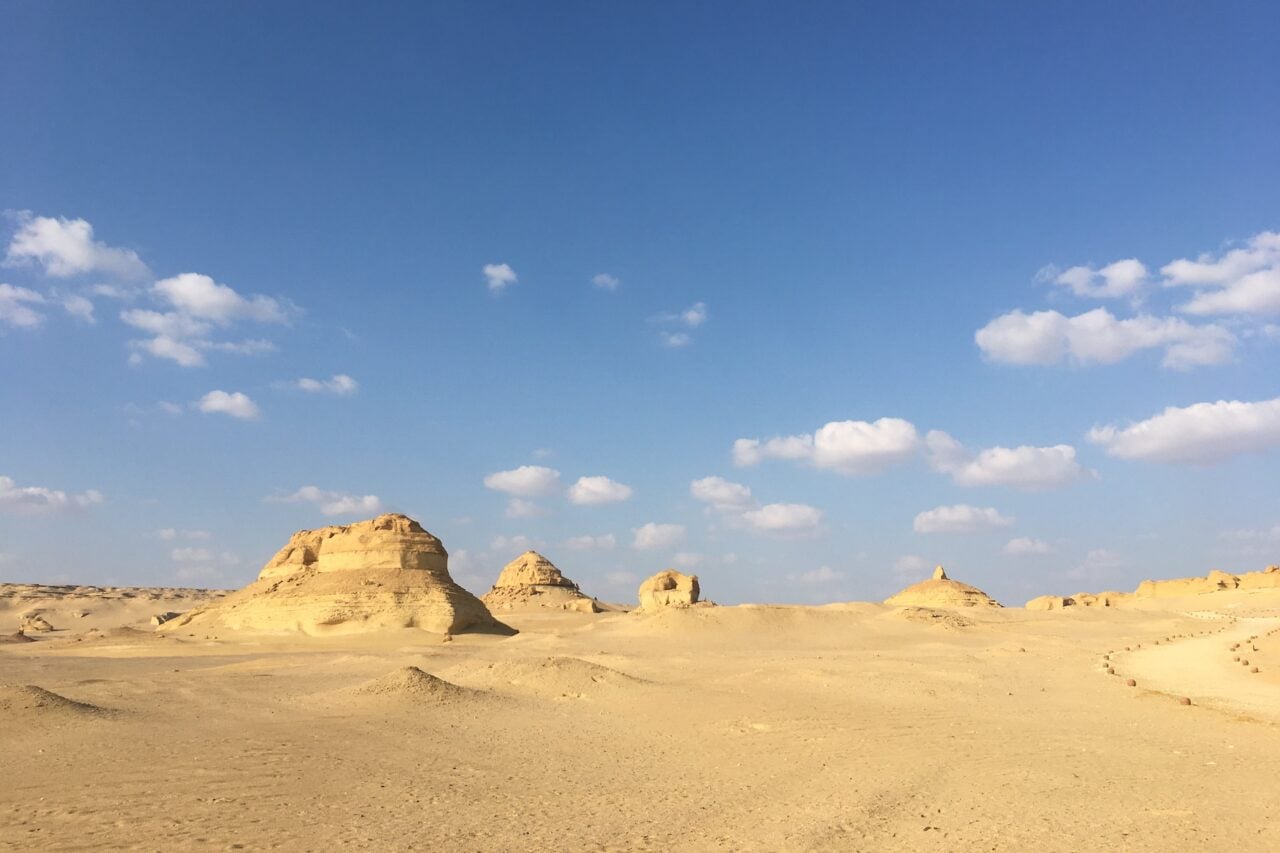
Drought Could Also Be an Issue
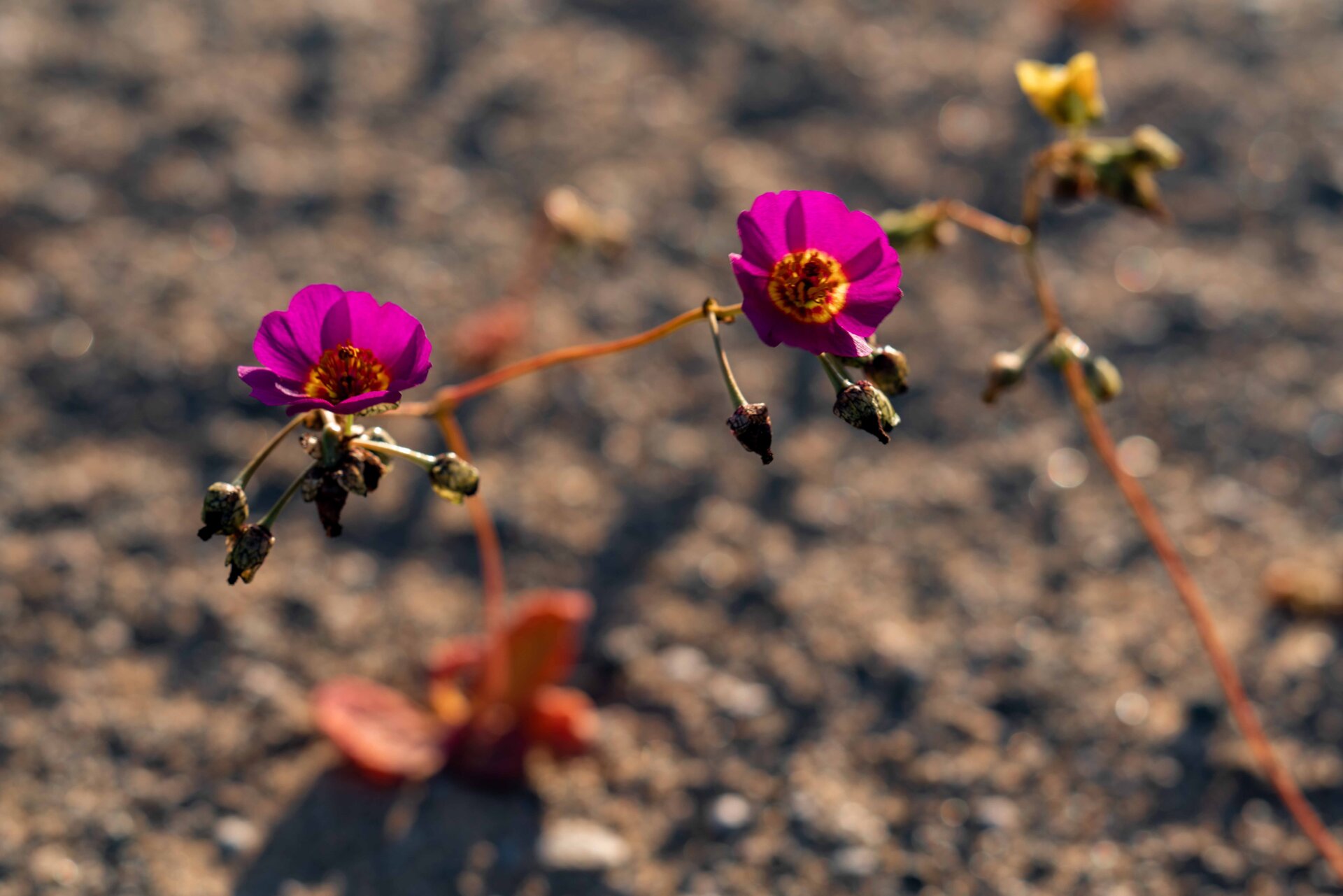
In contrast, scientists also caution that a longer-term drying trend associated with climate change could also endanger the flowers. Chile is in the middle of a 13-year drought and just instituted historic water rations. Central Chile has gotten 30% less rainfall than usual over the past decade, while in Coquimbo, one of the cities near where the flowering desert phenomenon takes place, rainfall in 2019 was 90% below the previous record low.
“If the temperature continues rising and the precipitation continues declining, many seeds will not be able to establish themselves and grow,” Francisco Squeo, a biologist at the University of Chile, told Agencia EFE. “We hope that humanity will soon take steps to reduce climate change, but the question is whether the flowers can wait.”