Climate Change Is Among the Reasons for the Danger
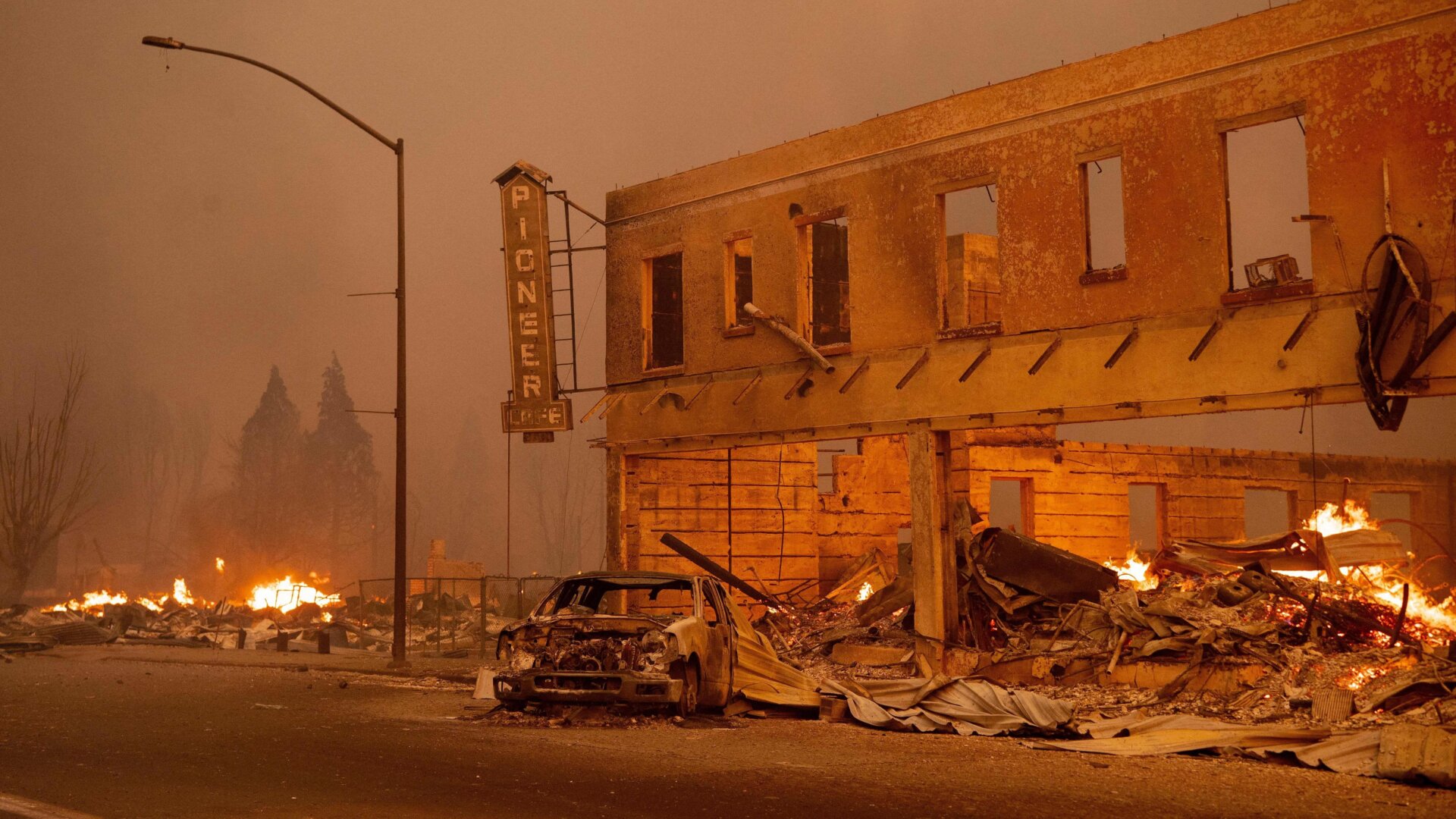
The climate crisis has made large, destructive fires more common by bumping up the mercury. Wildfire season has also grown 105 days longer as hot, dry conditions make forests more flammable.
California’s worst fires usually occur in the fall, fanned by the Santa Ana and Diablo Winds. But as this fire season and last August’s lightning-induced firestorm show, the risk is expanding into the summer months as well.
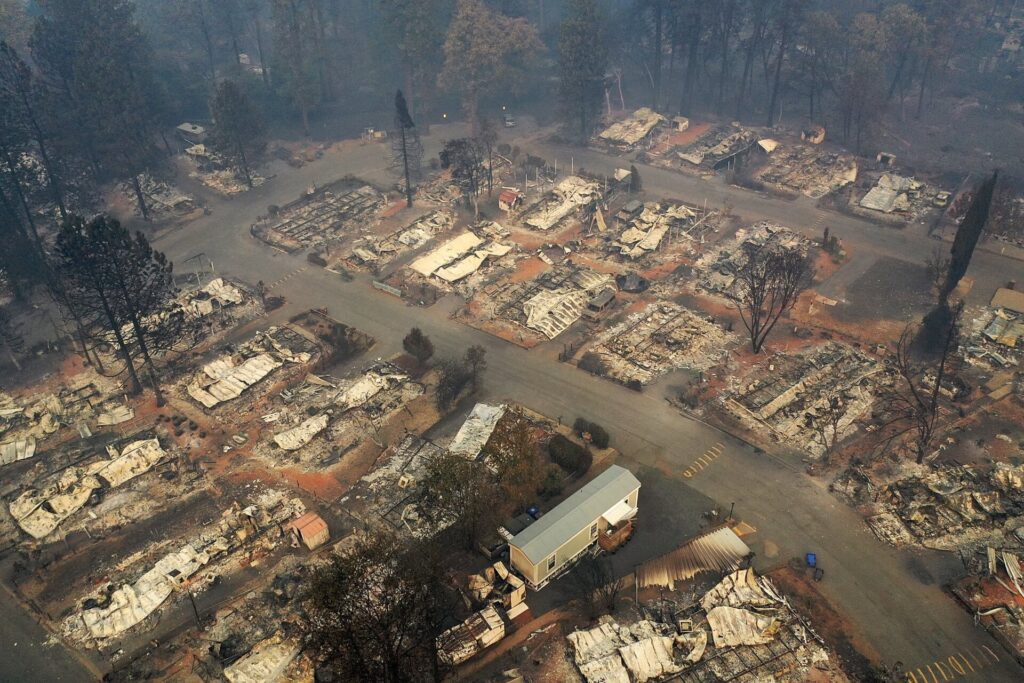
That risk is compounded by two other trends of the past century. Decades of forest mismanagement and fire suppression mean there’s more fuel that’s ready to ignite at a moment’s notice. Humans have also turned the woods into a danger zone through development. Between 1990 and 2010 alone, 13.4 million new homes were built in what’s known as the wildland-urban interface.
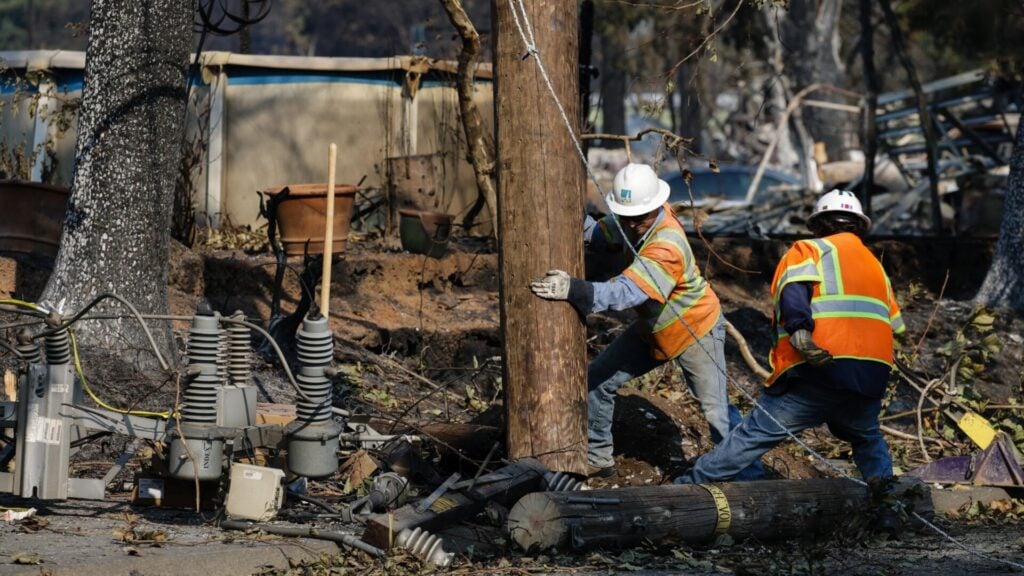
Communities have settled in harm’s way, right as climate change and heavy fuel loads conspire to make fires more explosive. Infrastructure in forests, notably aboveground power lines, are also igniting an increasing number of fires. (Other human activities are also responsible for fires.)
Some utilities, including notorious fire-starter PG&E, have said they’ll undertake the massive project to bury more power lines. Federal agencies have also started to come around to more managed burns to prevent huge fires. But there are also important—and sometimes uncomfortable—questions around if communities that burn down should rebuild and how other towns in the danger zone should adapt.