The Impact of Climate Change on Agriculture
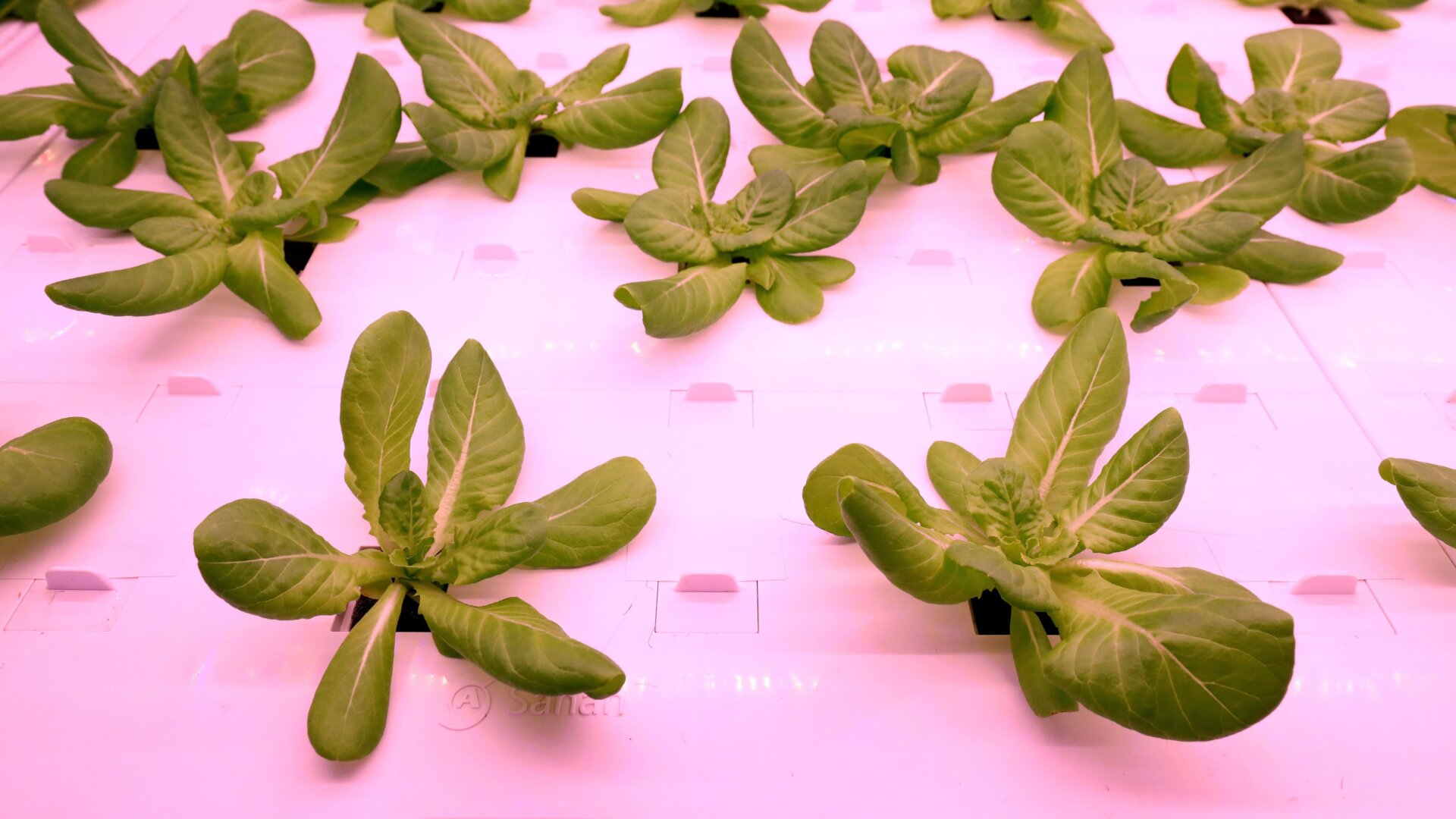
Rising temperatures, extreme heat, drought, wildfire on rangelands, and heavy downpours are expected to increasingly disrupt agricultural productivity in the U.S., according to findings in a landmark 2018 report. The findings show that increased temperatures in the Midwest during the growing season are projected to be the largest contributing factor to declines in U.S. agriculture productivity.
This isn’t a far-off future impact either. In the past few years alone, monster floods and a derecho in the Midwest have caused billions in losses and left decades of recovery for soils. Meanwhile, the West faces a megadrought that could spark widespread water restrictions due to dwindling snowpack and reservoir levels.
Globally, food security and livelihoods are also on the line. Approximately 2.5 billion people, many of them poor, are dependent on agriculture for their livelihoods. When there are climate-induced disasters, such as drought, agriculture sectors absorb 26% of the economic impacts. For drought alone, the impact increases to 83% in developing countries. Groundwater depletion and changing rainfall patterns are also adding to the pressure on farmers.



