Nixon’s UBI Experiments
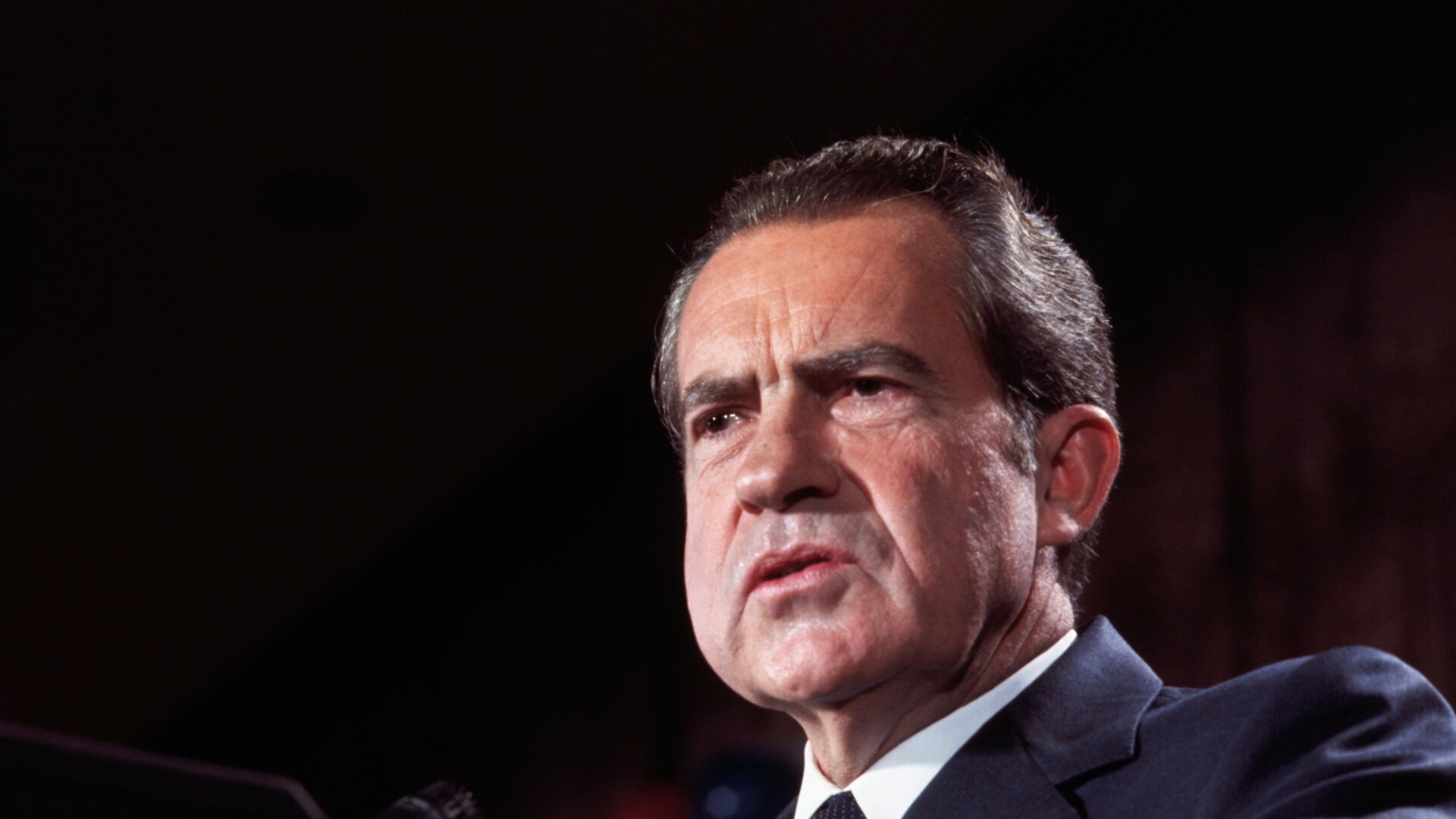
Richard Nixon launched a UBI program in 1969 that was tested on a small number of communities. The program was designed to deliver an ongoing, unconditional payment to working families to assist them with their basic needs. Hilariously, one of the people put in charge of these pilots was Donald Rumsfeld, who was working in Nixon’s Office of Economic Opportunity at the time. Rumsfeld also brought on Dick Cheney to help him with the program (later, of course, the duo would go on to disastrously run Bush II’s White House foreign policy team and embroil America in pointless wars).
Fears that the experiment would engender laziness in participants were not borne out in the project’s findings: “The ‘laziness’ contention is just not supported by our findings,” the chief data analyst of one of the experiments said. “There is not anywhere near the mass defection the prophets of doom predicted.”
Due to their success, Nixon’s experiments evolved into broader plans to institute a national UBI that would have delivered as much as $1600 a year to families of four (adjusted for inflation, that’s around $10,000 per family). This was known as the Family Assistance Plan, or FAP, which would’ve used something called a negative income tax to fund the massive new welfare program. Nixon actually introduced comprehensive legislation to institute the program but it was thwarted by political headwinds. The program was eventually canceled. Nixon’s advisors, including, allegedly, Milton Friedman, convinced him not to do it.