The GiveDirectly Pilot in Kenya
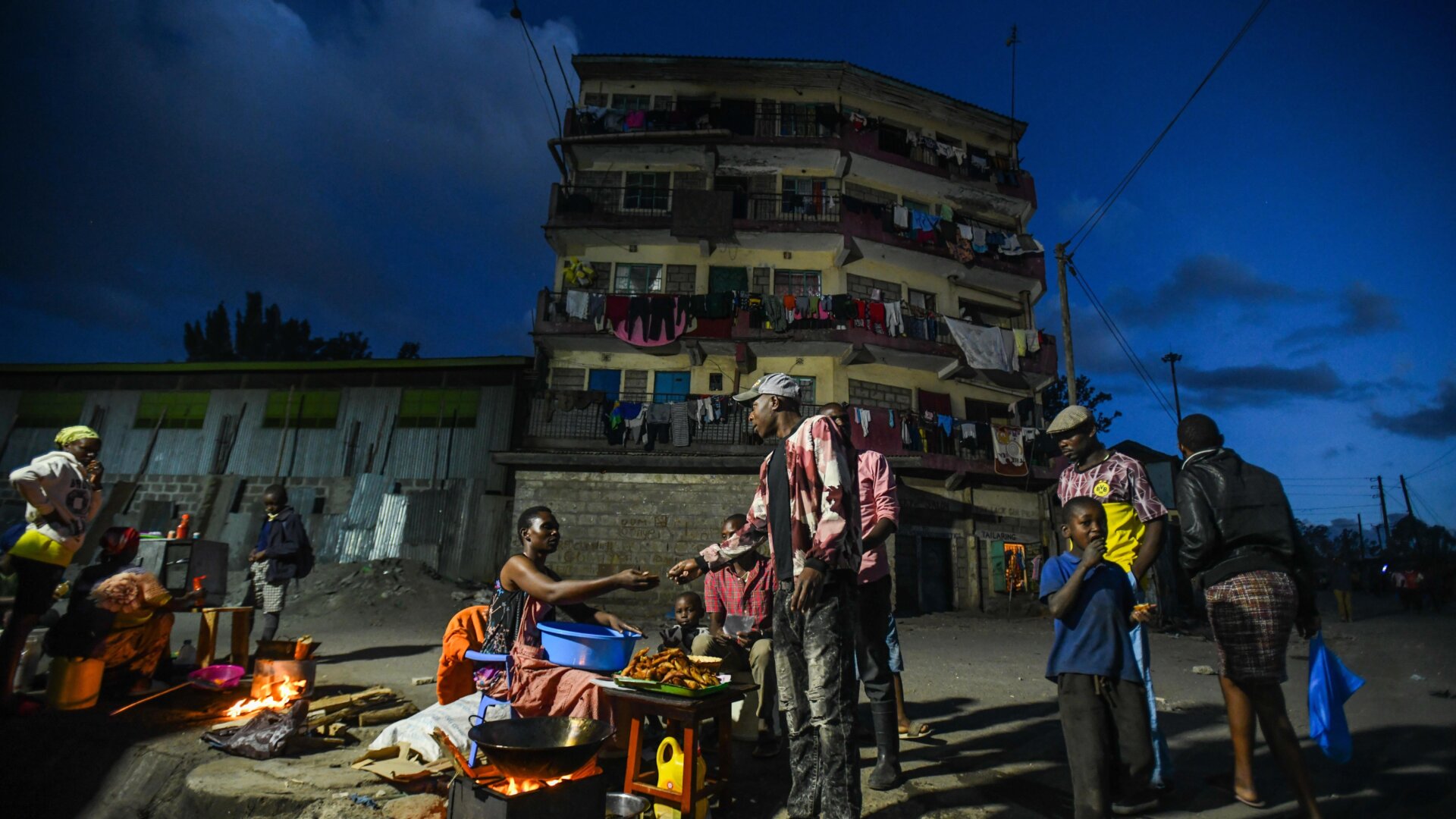
The world’s largest and longest-running UBI experiment was launched in Kenya in 2016 by the non-profit GiveDirectly. The organization, which doles out unconditional cash transfers to families living in extreme poverty, has committed as much as $30 million to thousands of people throughout Africa. The cash transfers amount to a lump sum of $50 a month for recipients—an amount that can go quite a long way to providing for basic needs. The program plans to continue sending money to recipients for as long as twelve years, making it the longest UBI experiment in existence. A recently published report on GiveDirectly’s efforts has shown that this style of welfare distribution can be much more effective than more traditional forms of distribution in alleviating poverty. Indeed, initial results found that the unconditional cash dispersal did not “disincentivize work” but, instead, made participants more economically resilient and entrepreneurial. The full report on the experiment’s initial findings concludes:
Communities receiving UBI experienced substantial economic expansion—more enterprises, higher revenues, costs, and net revenues—and structural shifts, with the expansion concentrated in the non-agricultural sector. Labor supply did not change overall, but shifted out of wage employment and towards self-employment.