Multiple Camera Lenses
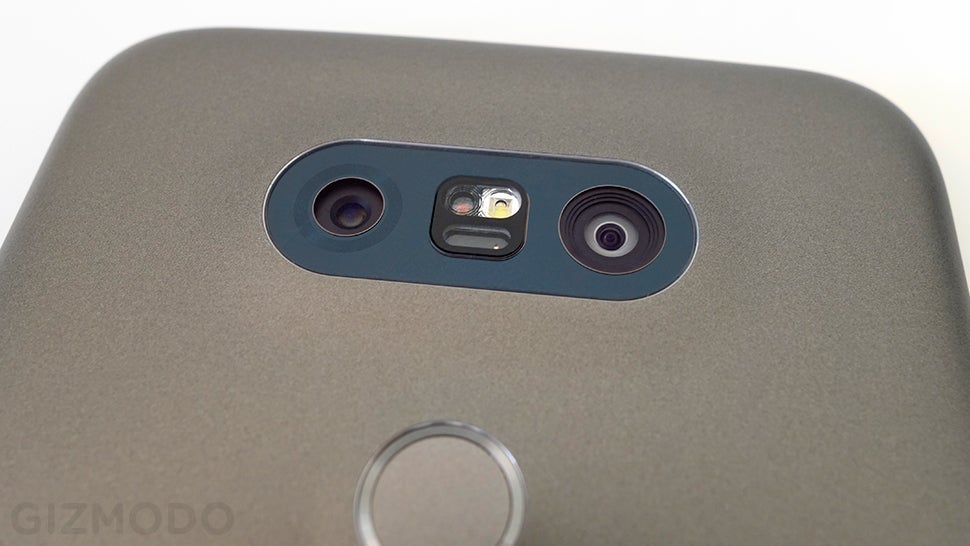
Phones with dual cameras date back to long before the smartphone era, though most early models used the extra lens for stereoscopic 3D. A second lens for improving photography finally arrived in devices like the HTC M8 and LG G5. What to do with that extra lens was a point of contention. The M8 only had one real camera but used a second lens as a depth sensor to give users more control of photos. LG’s G5 took a more conventional approach, augmenting a 16-megapixel standard camera with an 8MP ultra-wide-angle lens that had a 135-degree field of view so you could snap landscapes, skyscrapers, and nearby objects without stitching photos together.
Huawei would later launch the P9 in partnership with Leica; it had two cameras on the rear, one of which captured monochrome (black and white) details. You could take black and white photos separately, but the magic happened when you combined the information captured by the monochrome lens with the standard one. Later, Apple would release the iPhone 7 Plus with a main 12MP camera and a 12MP telephoto lens for 2x optical zoom. Today’s flagship phones don’t make you choose—devices like the Galaxy S22 Ultra, Pixel 6 Pro, and iPhone 13 Pro Max come with standard, ultra-wide, and telephoto lenses.