Monsanto
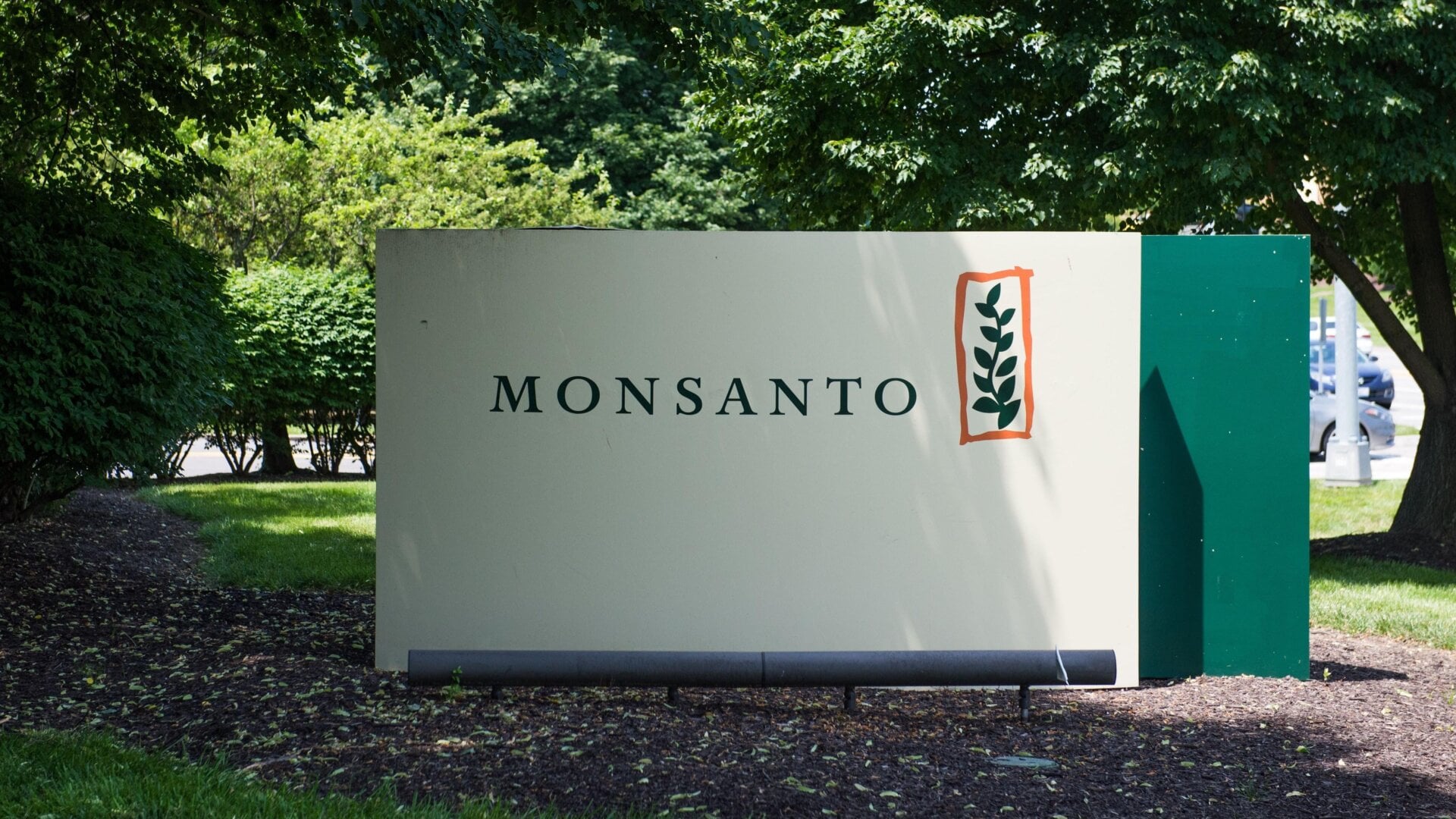
Monsanto
If you heard the name Monsanto in popular media during the early 2010s, it was probably for something horrendous. Monsanto was associated with the worst of gigantic agribusiness, from the creation of Agent Orange used against civilians by the U.S. military in the 1960s during the Vietnam War to monopolistic control of the country’s seed market. In fact, Monsanto even regularly sued small farmers who saved their seeds in an effort to protect weird intellectual property.
So it’s no surprise that after a merger with German drug giant Bayer in 2018, the Monsanto name was killed off, despite being around for 117 years. But Monsanto even considered changing its name before it was bought by Bayer, according to Liam Condon, the head of Bayer’s crop science division, who said as much on a conference call about the acquisition in 2018. But ultimately it decided to just stick with Monsanto because changing names can be very expensive.
That’s one of the hardest things about changing your name from a corporate perspective. Not only does it cost money to change the name on the door, you have to throw out all your old “I heart Monsanto” beer koozies.