Offshore Oil Is Still a Danger Despite State Lease Ban
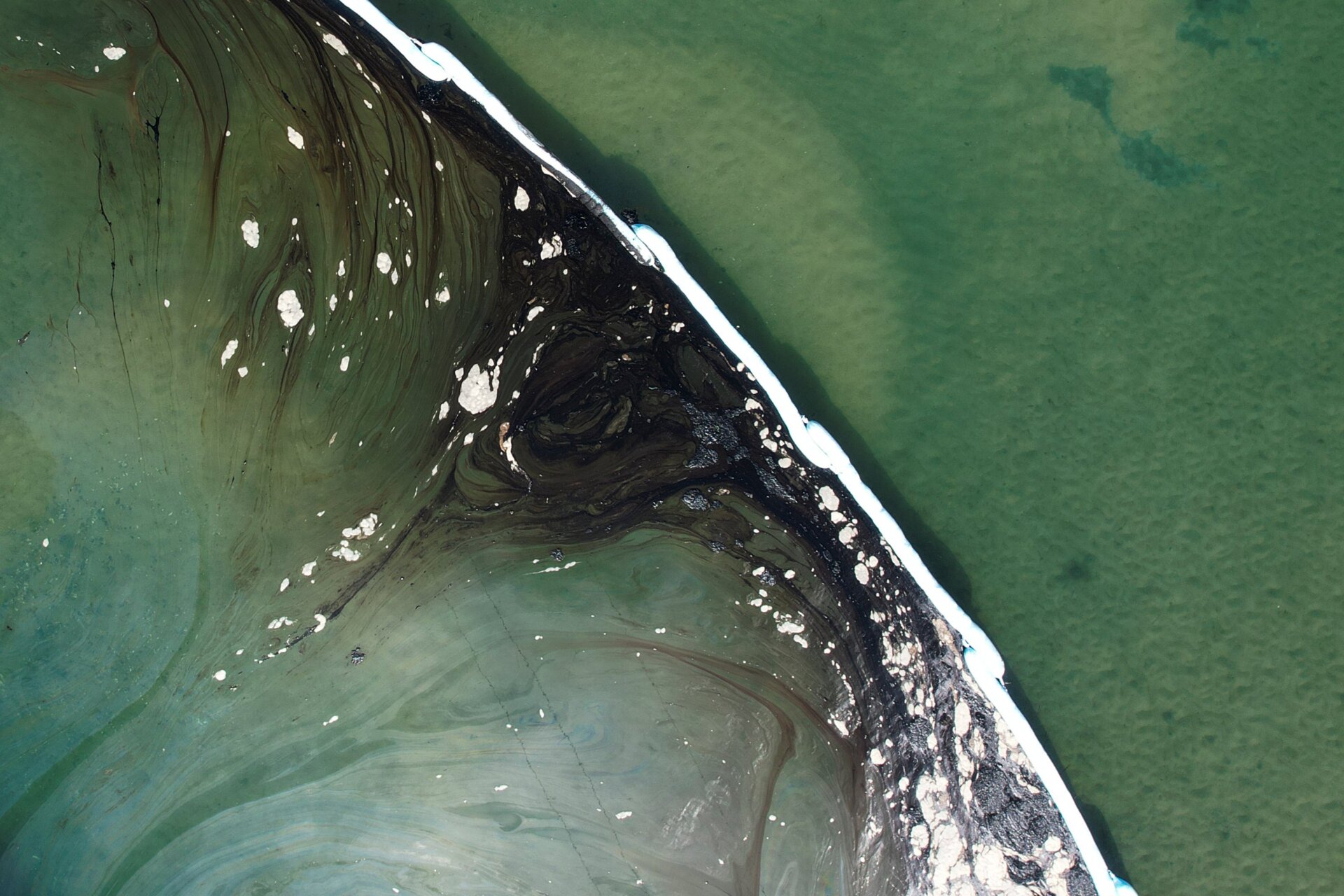
The spill was caused by a rupture in a pipeline around 4.5 miles (7 kilometers) offshore, which is connected to a rig in the Beta Field, an offshore oilfield that has been in operation since the early 1980s. Environmental groups have raised the alarm for years about the condition of much of the offshore infrastructure in the region.
California blocked new offshore drilling in state waters after the disastrous 1969 Santa Barbara oil spill, which spilled some 35 million gallons of oil into the ocean and created a 35-mile (56-kilometer) slick in the ocean. The state permanently prohibited new leasing in its waters in 1994. But this spill occurred in federal waters, at a rig that had been active since before the state leasing ban. What’s more, leasing in federal waters off the coast isn’t expressly prohibited.