eSIM
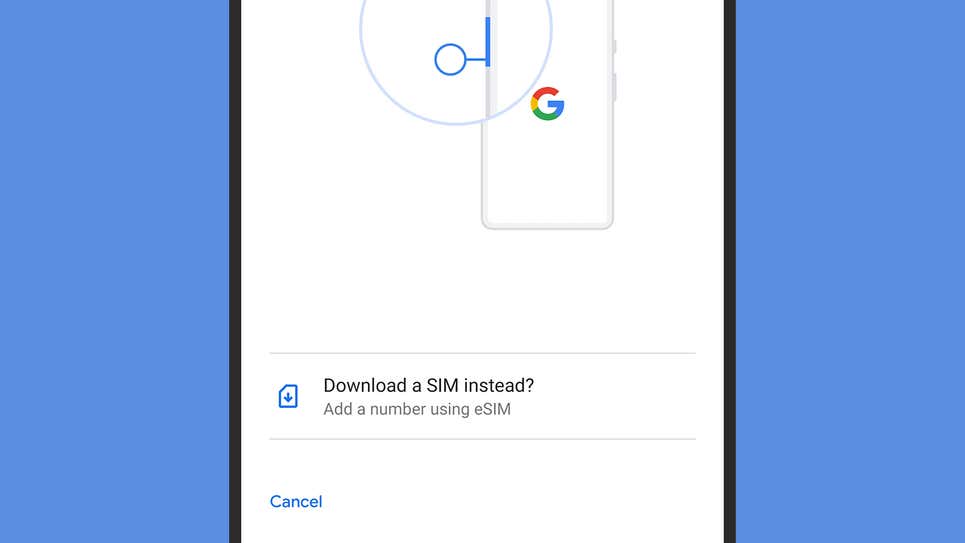
Apple announced the iPhone 14 would be the first of its smartphones to ship without a SIM tray in the U.S. and Canada, instead favoring the eSIM standard. The technology is essentially the virtual version of the physical SIM card.
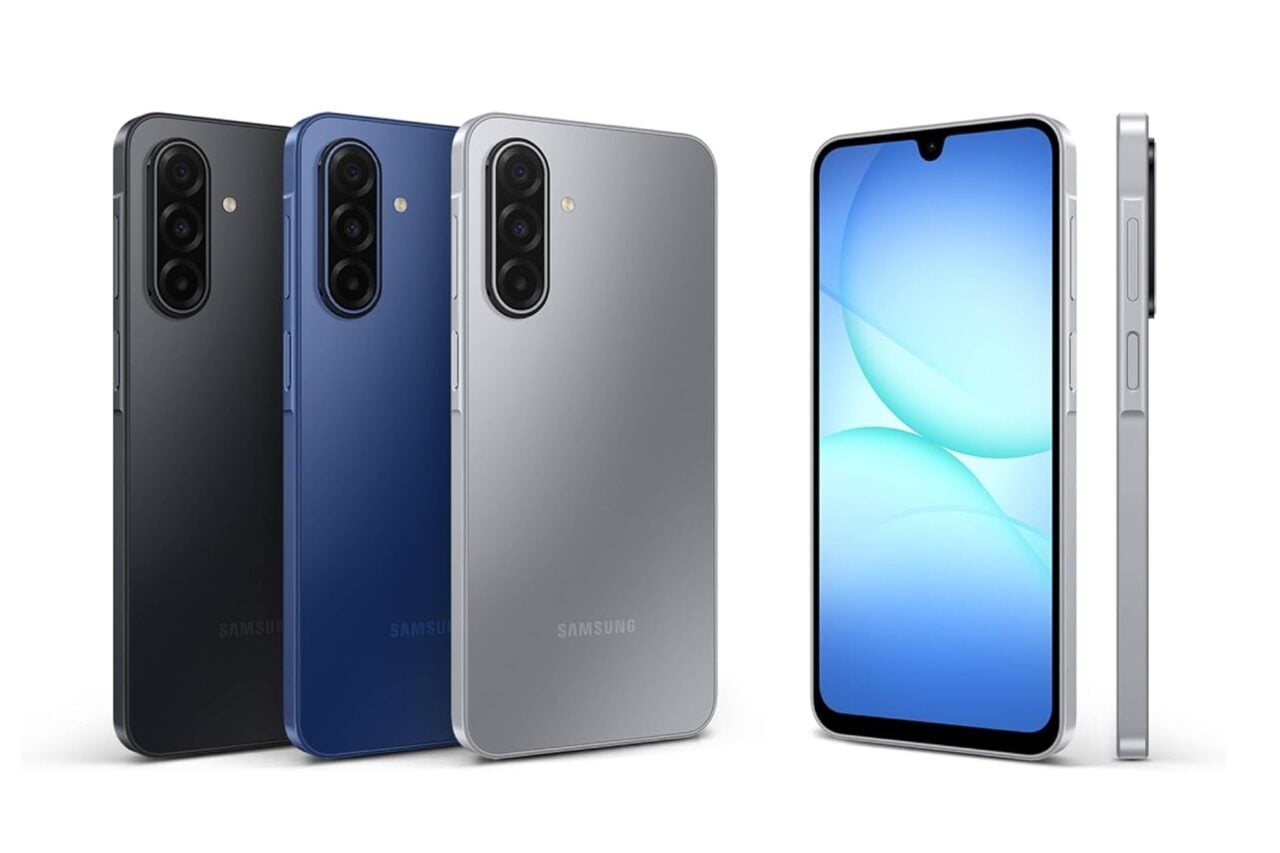
Google introduced the eSIM with the Pixel 2 in 2017, using it to pitch Google Fi, its own mobile network. Samsung’s latest phones, including the Galaxy S22 series and the foldables, also support the eSIM standard. Samsung even pushed the ability out to some older models via a software update. But Apple’s willingness to go all in on eSIM and not have a SIM slot, which Android smartphones still do, is bold when many users are probably just learning the technology exists. It’ll be interesting to see how quickly U.S.-based carriers will catch on to the trend and whether they’ll make it easy for people to ditch their physical SIM cards. I’m also curious if next year’s Android devices will drop the SIM tray altogether.