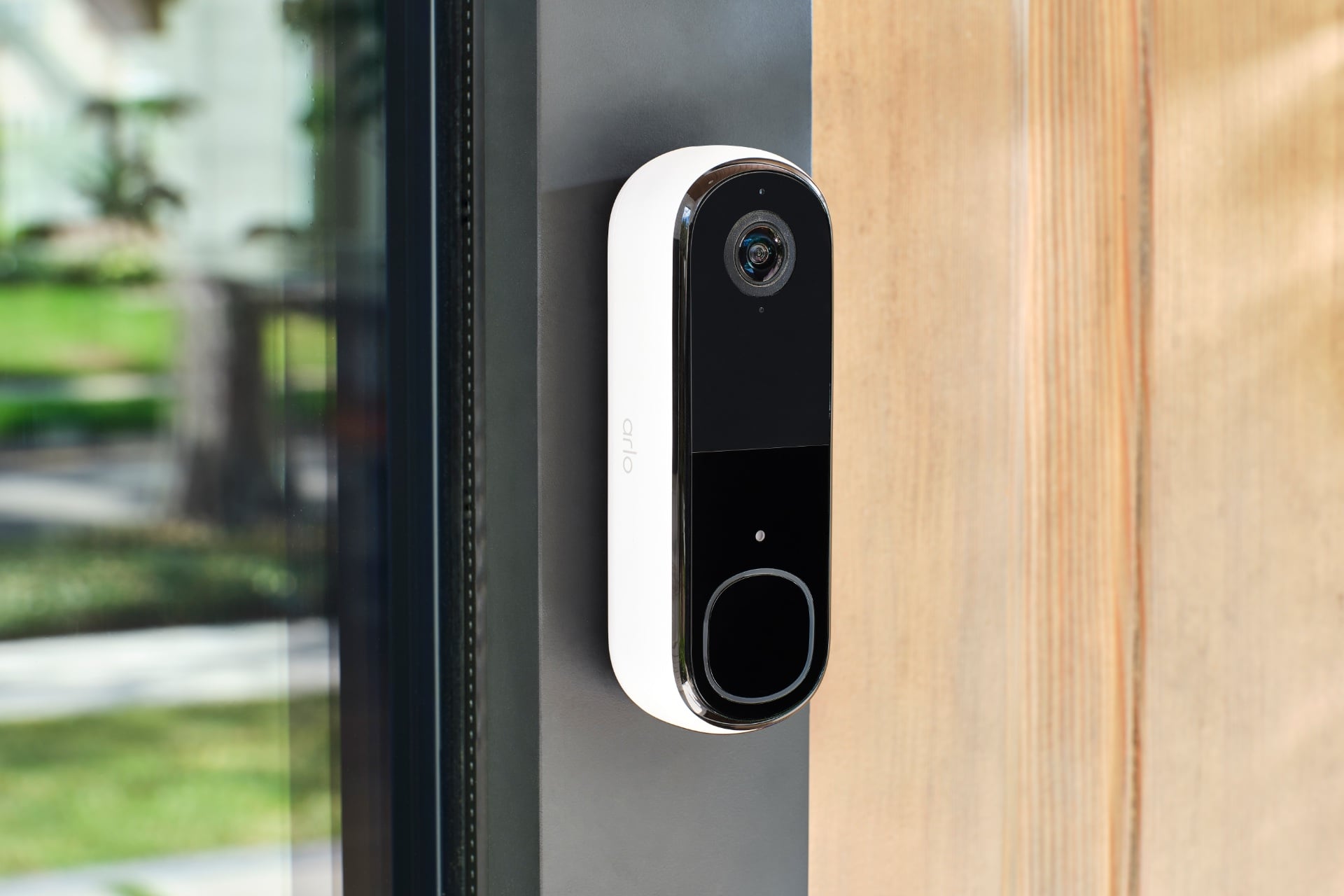
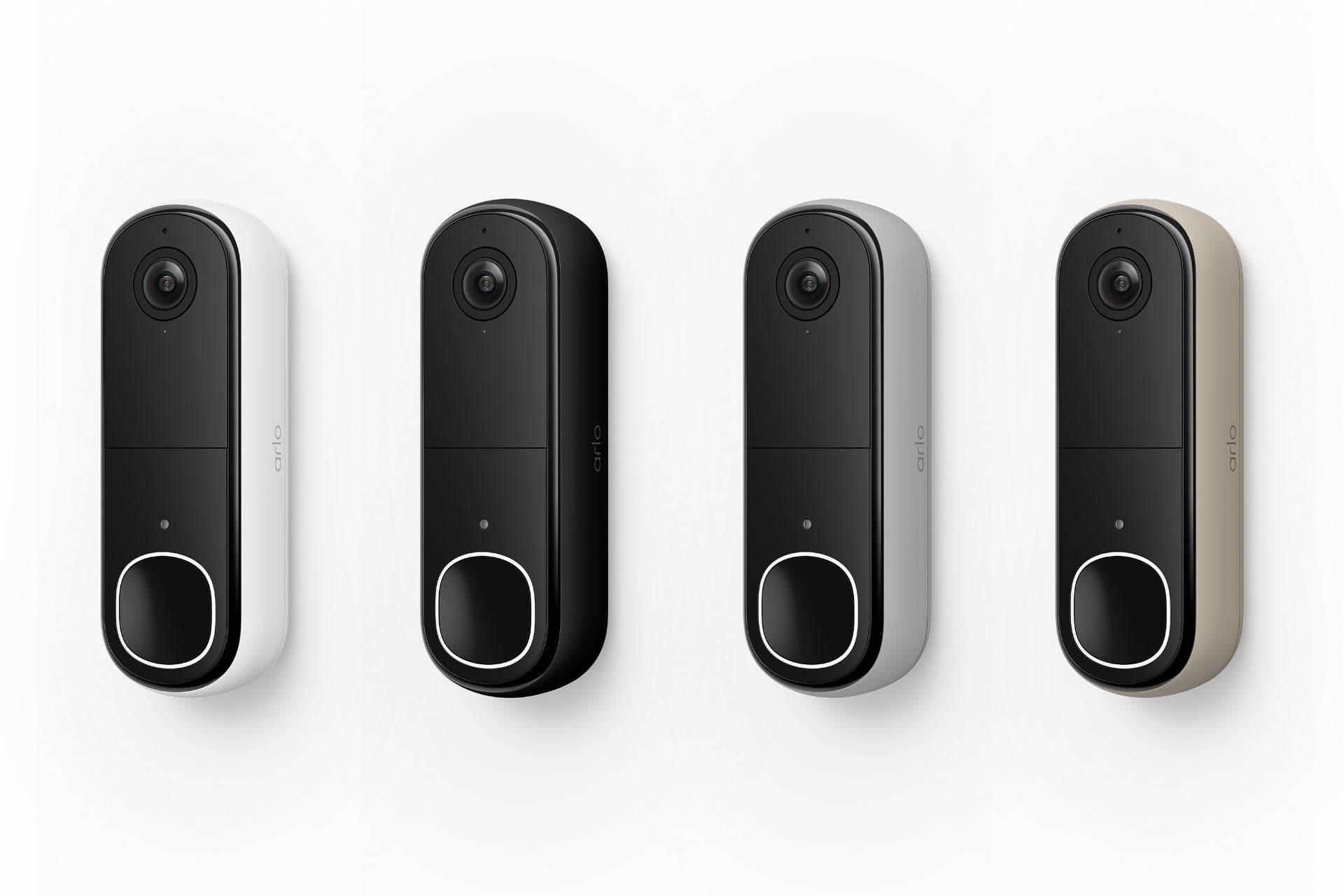
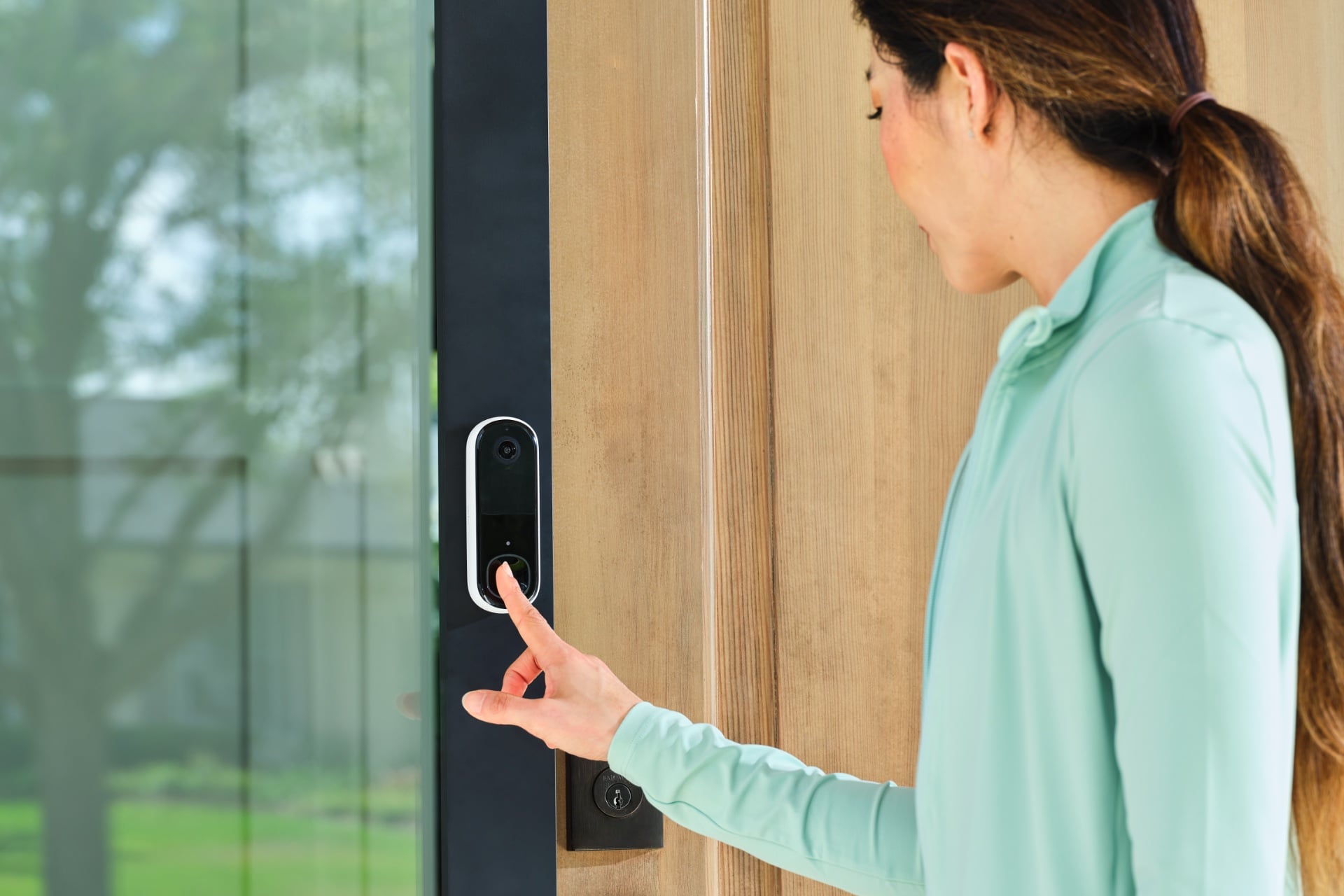
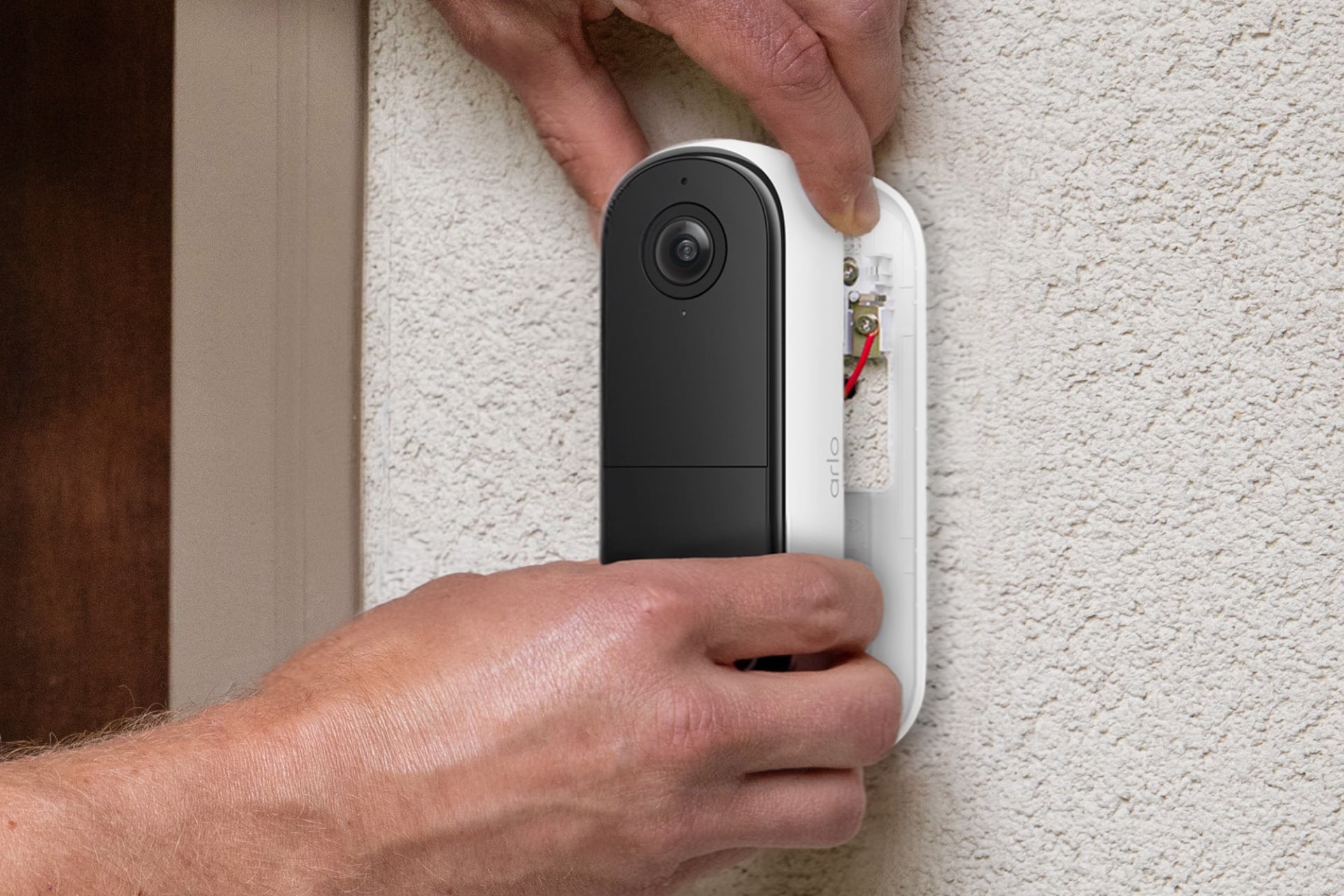
Arlo has launched two new versions of its video doorbell, the battery-powered Video Doorbell (3rd Gen) and the Wired Video Doorbell (3rd Gen). Both cost $80 and, besides how they’re powered, are identical to one another. They’re available for preorder now and officially go on sale starting Nov. 25.
The two doorbells are pretty similar to their predecessor, the Video Doorbell (2nd Gen), except that they come in more colors—white, black, “Greystone,” and “Sand “Dune”—rather than just white, and Arlo says the new battery model can go six months on a single charge, up from four months in the 2nd-gen version. Arlo also says the updated models detect motion up to 25 feet away (up from 10 feet before) and now have 5GHz Wi-Fi, which should mean they can transmit higher quality video faster if you have them close enough to a router. The old version only uses the slower, longer-range 2.4GHz Wi-Fi band.
The other big difference is a little more buried: according to an FAQ at the bottom of the pages for the new doorbells, unlike the Video Doorbell (2nd Gen), the new 3rd-gen models “are not currently compatible” with any of Arlo’s SmartHub or Base Station devices. That means no local storage—you’re stuck with one of Arlo’s subscription plans, which start at $10 a month to store video for a single camera. It also means this camera lacks the basic, streaming-but-no-recording Apple Home support that SmartHubs add. The new Video Doorbells still work with Google Home, Amazon Alexa, IFTTT, and SmartThings.
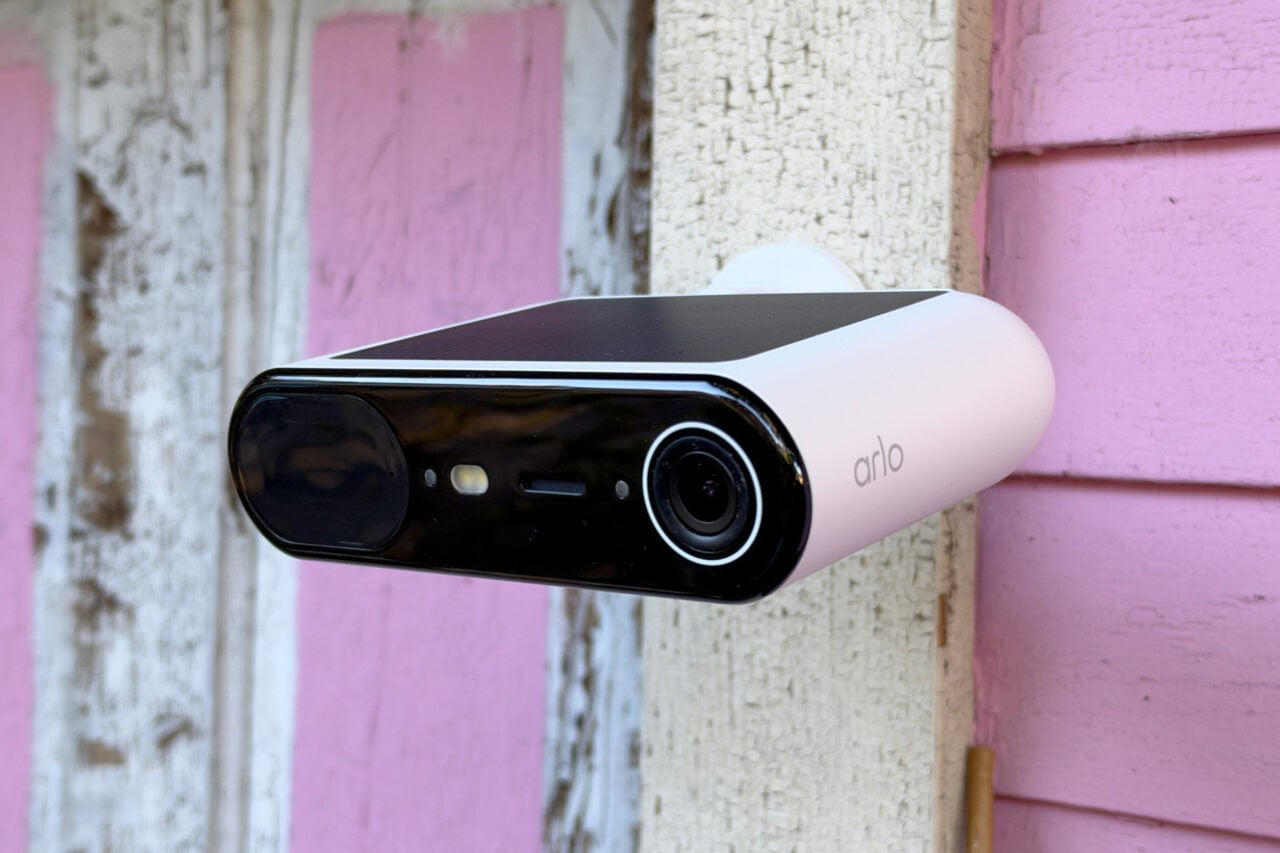
Arlo’s subscription plans do add some compelling features, including AI-generated video summaries and notification captions. At their best, such features provide a nice, quick description of what happened across one or more videos. But in my experience—see my reviews of the Google Nest Doorbell Cam and Arlo Essential Solar Camera—they can’t be trusted to always accurately convey what happened, so you end up having to watch the videos anyway. If you’re good with that, then Arlo’s Smart Aware plan might be worthwhile. The plan also adds features like person, animal, and vehicle detection, although many cameras, including the new Eufy Video Doorbell S4 and the very good TP-Link Tapo Video Doorbell Pro D260, offer that out of the box, in addition to local storage via microSD Cards.
Features that haven’t changed from the 2nd Gen to the new 3rd Gen Video Doorbell models include 2K video, 12X digital zoom, black-and-white infrared night vision, and two-way audio for talking to people at your door. Both models also have a 180-degree diagonal field of view, which is unusual for video doorbells, although it’s worth noting Arlo only claims this as a diagonal measurement. Compare that to the Video Doorbell S4, which has a true vertical and horizontal FOV of 180 degrees and would let you see more around the periphery than other cameras, likely including Arlo’s.