The Jungle
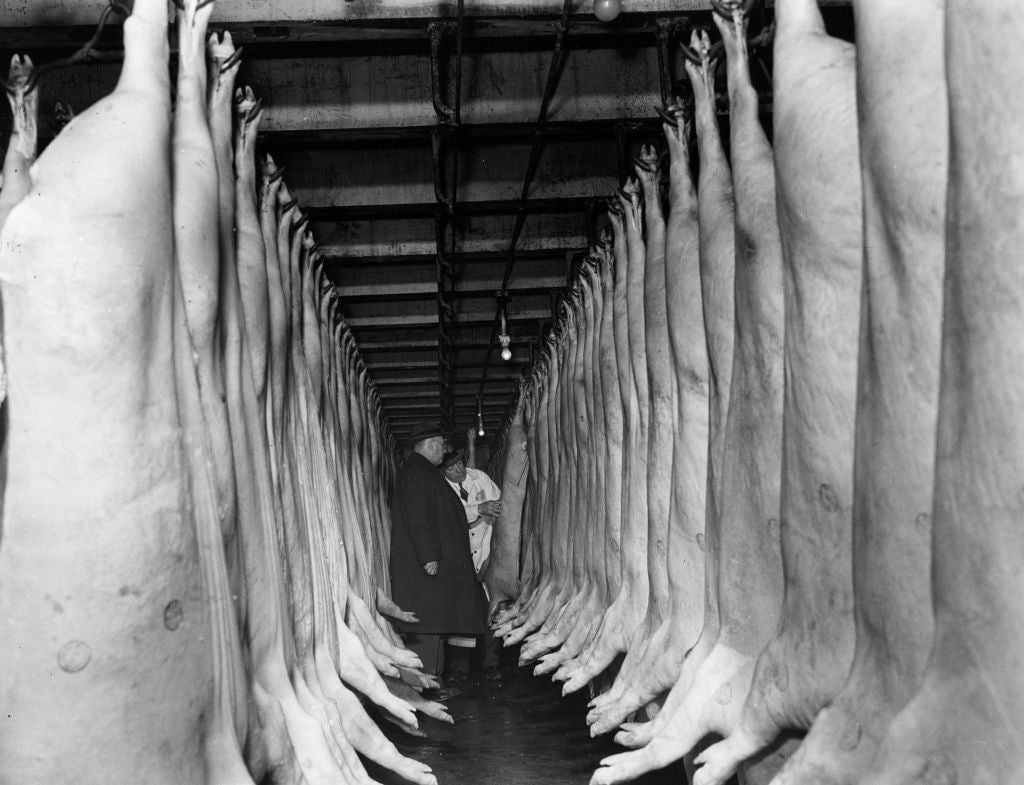
This early 20th century book made readers feel sick, and it’s also the reason there are now federal laws to oversee food quality and safety. Upton Sinclair’s The Jungle is littered with visceral descriptions of the kind of conditions low-income European immigrants had to work and live in. In the book, there’s a passage about the environmental damage caused by an unregulated meat industry (and other factories nearby) that describes Bubbly Creek, an arm of the Chicago River, as a “great open sewer” that was putrid from “grease and chemicals” dumped into it. The creek is still polluted to this day.
The book was banned in multiple countries and even burned by Nazis decades after it was released because it supposedly promoted “dangerous” socialist ideals about working class empowerment. But this book went on to change the U.S. meat industry for consumers and for workers. Inspired by the book’s details, President Theodore Roosevelt signed two bills on food and drug regulation in 1906.