An Indigenous Peoples’ History of the United States
An Indigenous Peoples’ History of the United States for Young People showed up on a ban list in Texas just this year. The book outlines the devastating U.S. legacy of settler colonialism and the harmful polices that were shoved onto tribal nations. What does that have to do with climate or environmental justice? A lot.
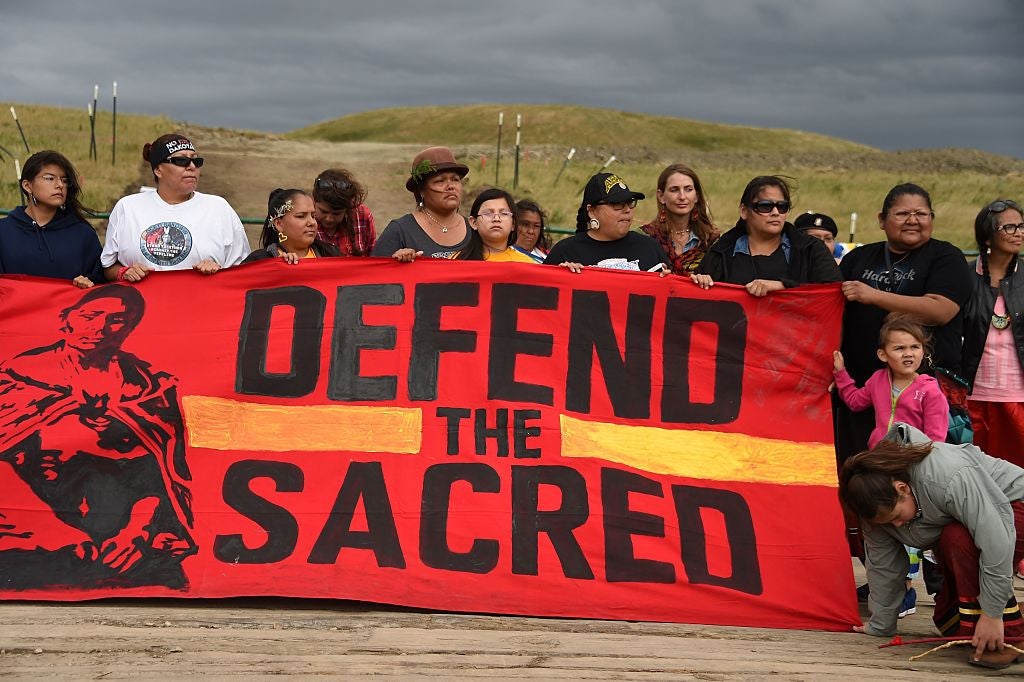
The fights over land sovereignty, people being displaced, fear of water near sacred grounds or burial being polluted by pipelines: these are issues that began with the attempted genocide and removal of Native people. Many Native groups east of the Mississippi were “encouraged” to give up their territories for land out West. These areas would later become reservations.
Today, about half of the people living in tribal homes don’t have access to clean running water. Faucets often flow with polluted and rust-filled water, and residents rely on trucks to bring enough for people to drink and wash with. Water could become an even more scarce resource in the near future. Droughts are worsening in the American Southwest (and around the world), and so it might become challenging for some people to have access to crucial natural resources like water. This will cause conflict… which leads to all sorts of atrocities. We need to understand the history of displacement and climate destruction in the U.S. and keep an eye out for patterns, so that we don’t commit the same sins in the near future.