Fixing Air Pollution
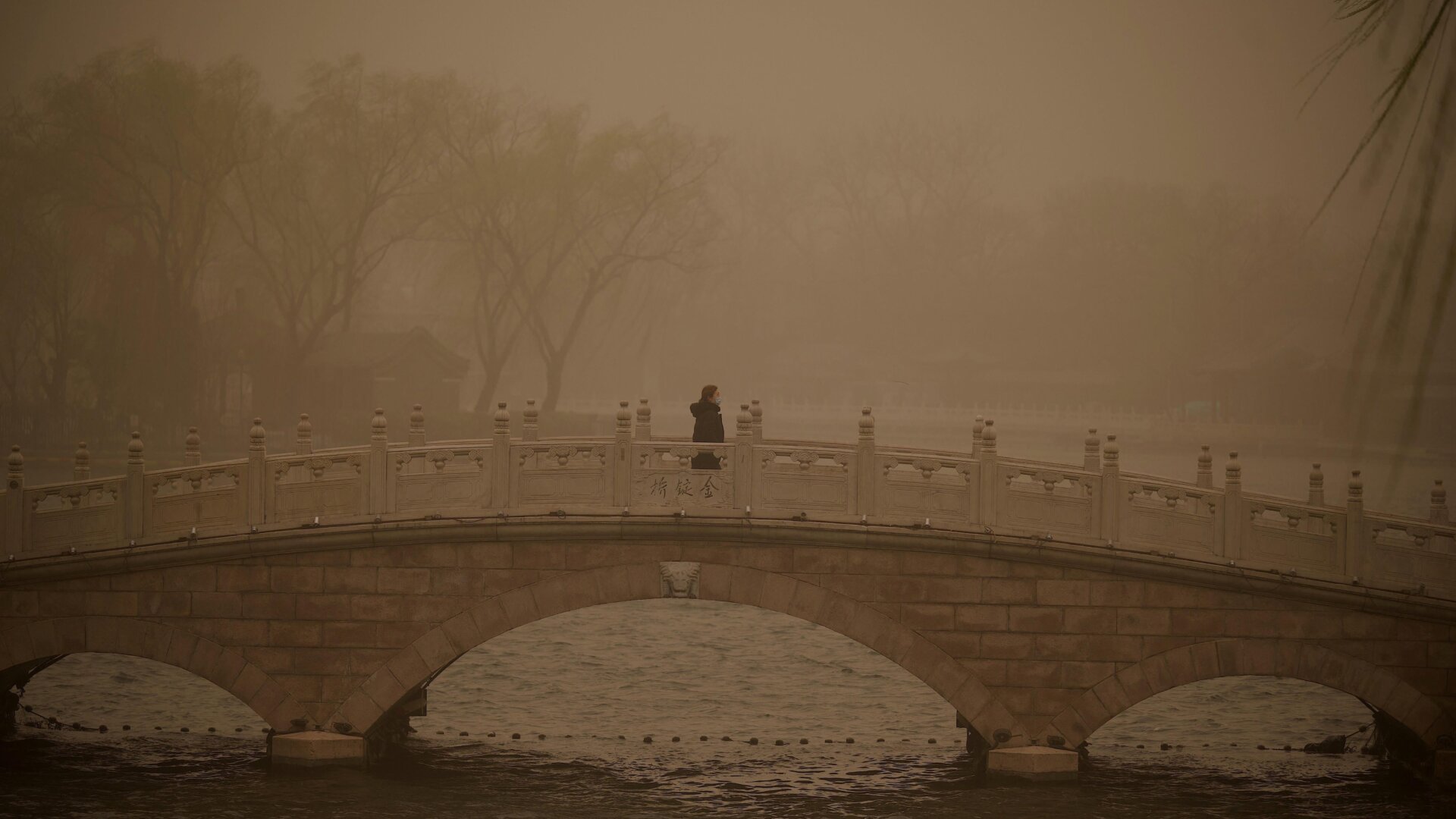
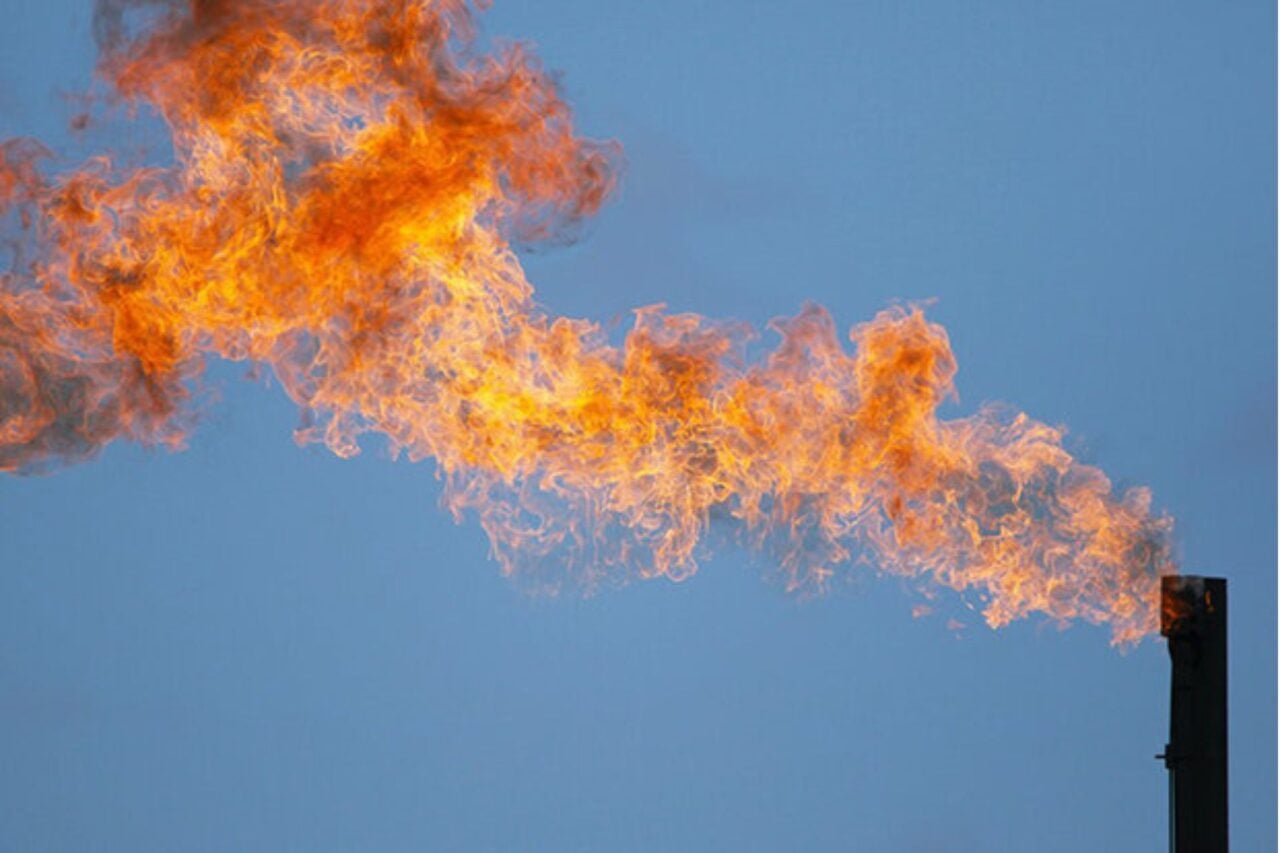
In September, China made a promise to bring national carbon emissions to a peak by 2030 and reach carbon neutrality by 2060. Since the country saw toxic pollution spike before the pandemic due to a surge in coal use, it makes sense to remain skeptical until we see some real action. But if the country really sticks to its carbon phase-out plan, it could come with the massive benefit of reducing air pollution, too.
In addition, the country is also trying to get a handle on its dust problems, which is driven by increasing desertification that has affected 400 million people. There are a number of factors that have led to a rise in China’s deserts, including deforestation and land use change that has depleted water availability and increased erosion. In response, the country has attempted to build a “great green wall” of trees to stop the growing Gobi desert in its tracks and reduce dust storms like the one hitting Beijing this week.