Lucy mission to Jupiter’s Trojan asteroids
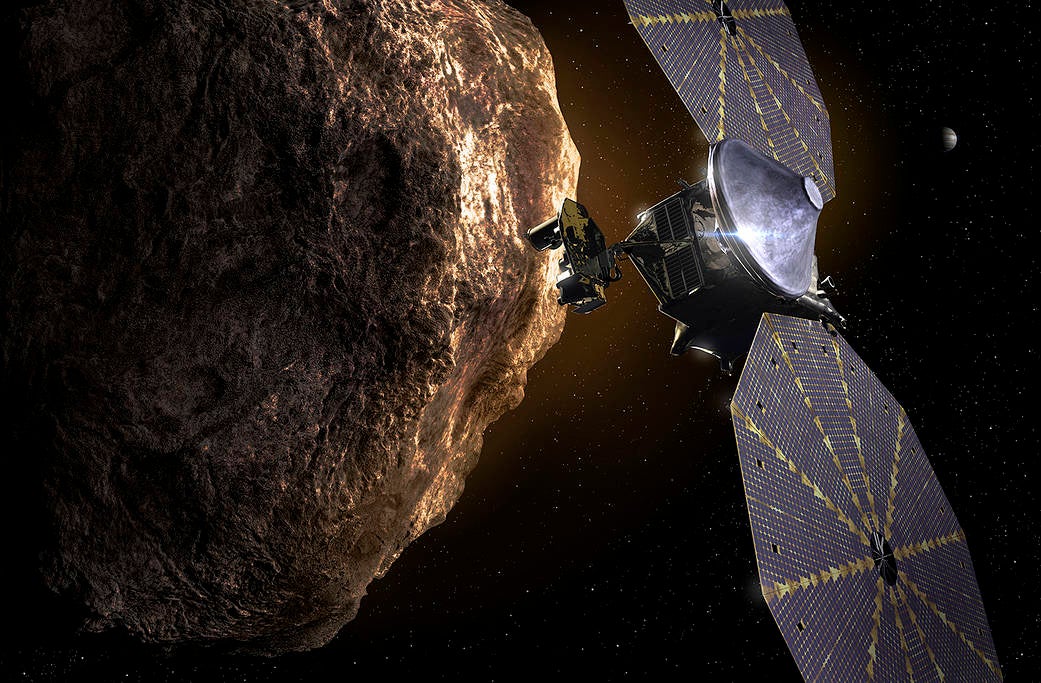
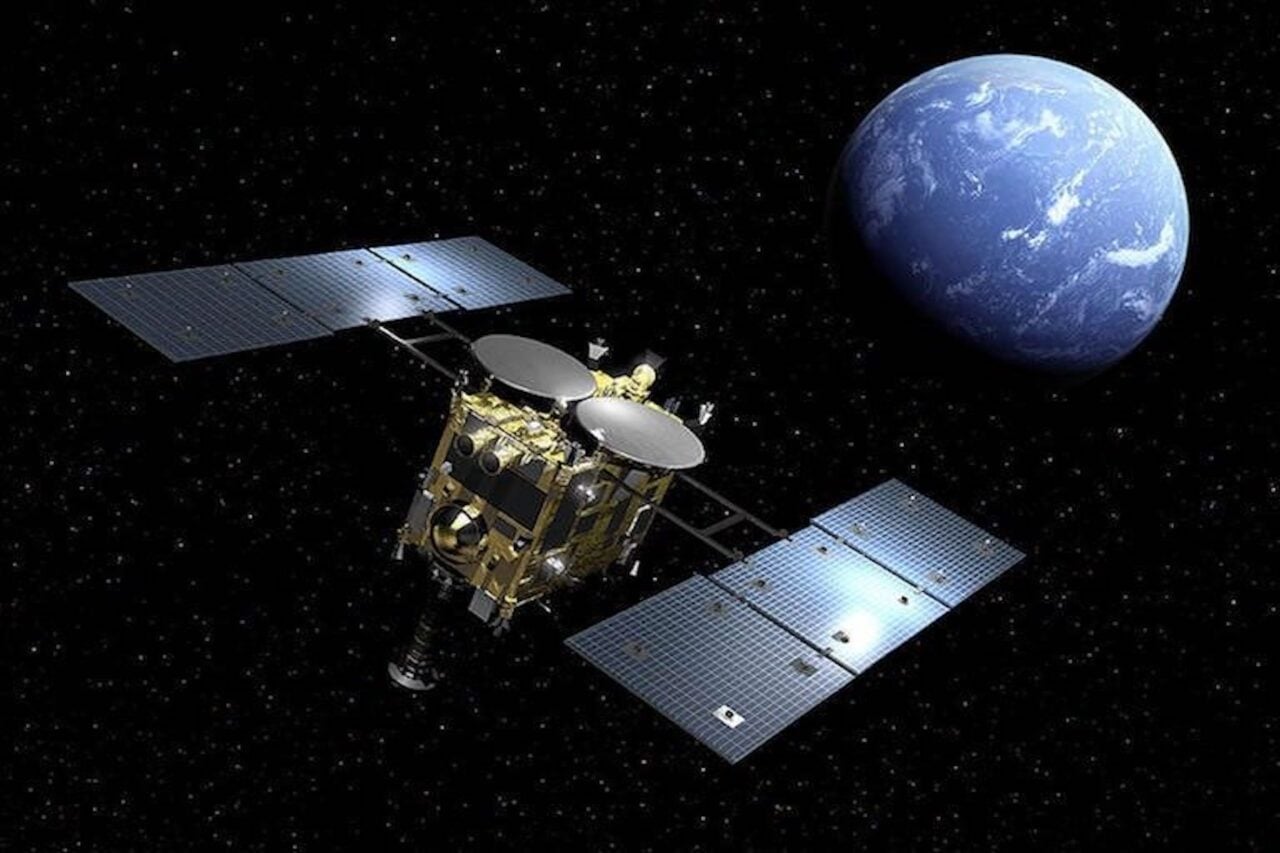
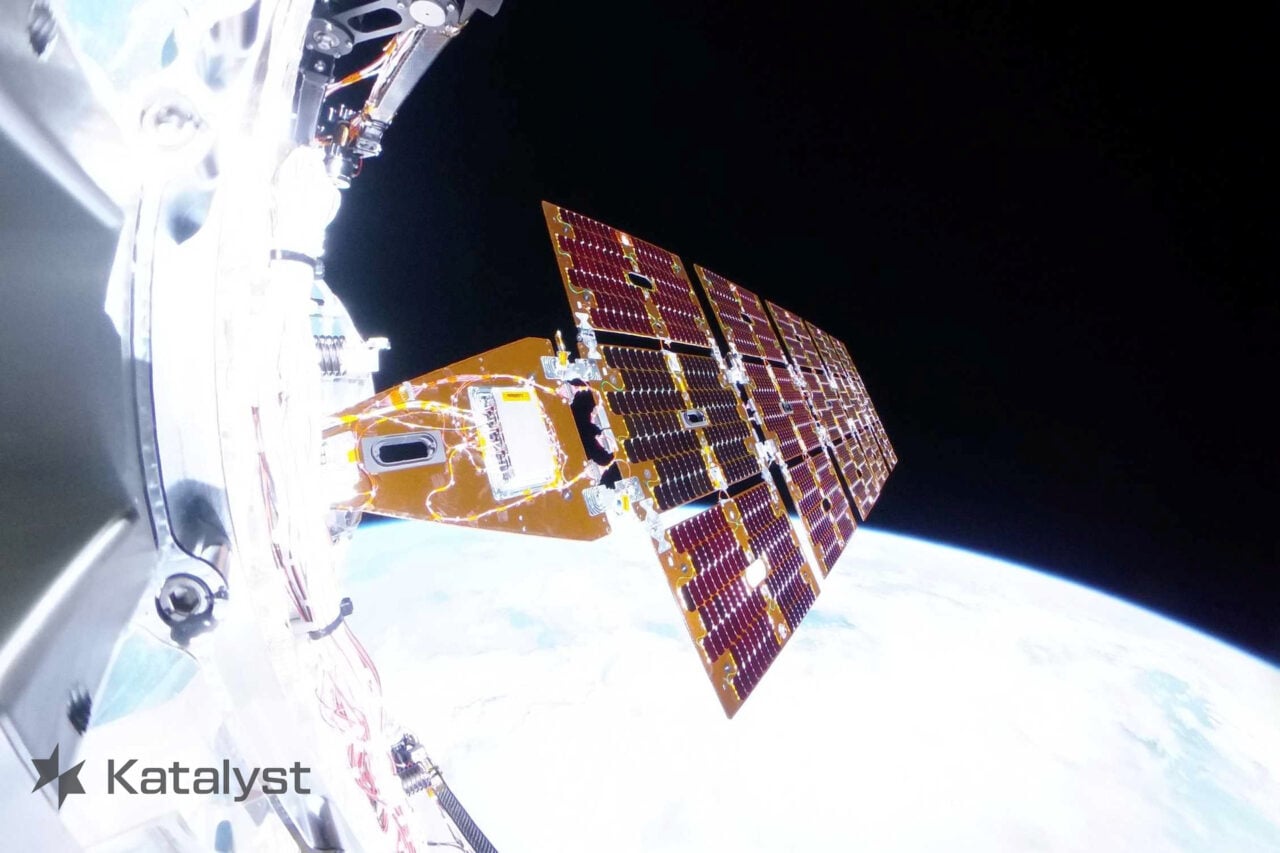
NASA’s Lucy probe launched in October 2021, and despite an annoying problem with its power-supplying solar array, which didn’t deploy fully after launch, the spacecraft is working properly. Lucy is currently en route to Jupiter’s Trojan asteroids—two discernable clumps of asteroids that travel ahead and behind Jupiter along its orbital path around the Sun.
More on this story: 7 Things to Know About NASA’s First Mission to the Jupiter Trojan Asteroids
Jupiter’s Trojans have been trapped in this configuration for billions of years, making them tantalizing targets for scientific investigation. As potential precursors to planetary formation, the Trojans could shed new light on the ways in which organic materials and water were delivered to Earth. The plan is for Lucy to investigate two main belt asteroids prior to reaching the Trojans. The probe will begin its tour of the Trojans in 2027, starting with Eurybates and its binary partner Queta, followed by Polymele, Leucus, Orus, Patroclus, and Menoetius. Lucy will investigate both Trojan clusters, which are located 500 million miles (800 million kilometers) from the Sun.