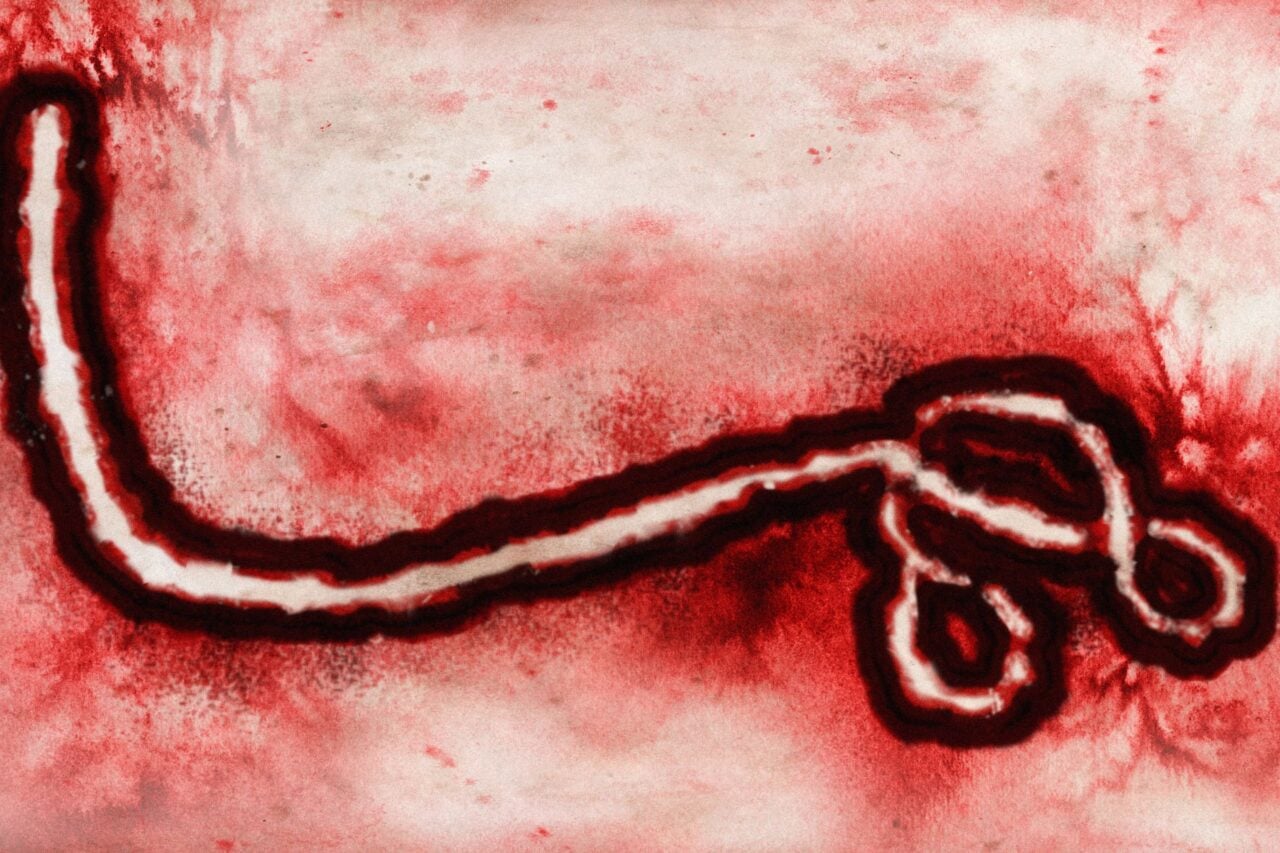
Lyme Disease
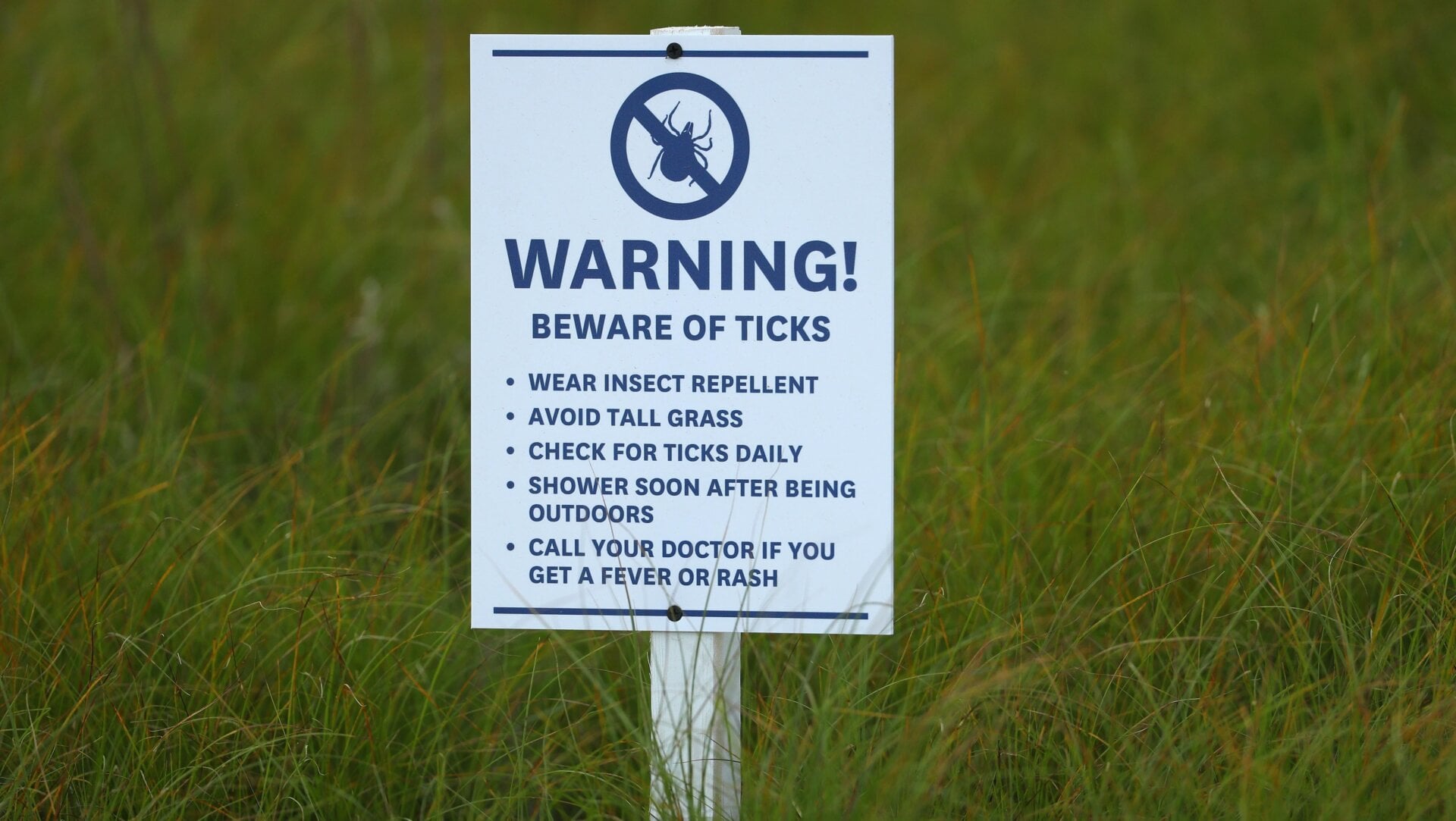
The infection: Lyme disease is caused by certain Borrelia bacteria, which are transmitted by the bite of a female tick. In the U.S., the blacklegged tick (Ixodes scapularis) and the western blacklegged tick (Ixodes pacificus) are the primary vectors.
Its threat potential: Lyme and many other tickborne diseases in the U.S. have become more common over the past few decades. The ticks that transmit these diseases are also living longer into the winter and expanding their range beyond the Pacific and Northeast regions of the country, thanks in part to climate change, which will only expose more people to the disease.
Symptoms and treatment: Acute symptoms include fever, headache, fatigue, and a distinctive “bull’s eye” skin rash at the site of the tick bite. It can be treated with a few weeks of antibiotics, but untreated cases can result in more serious and possibly lifelong complications like arthritis and nerve pain.