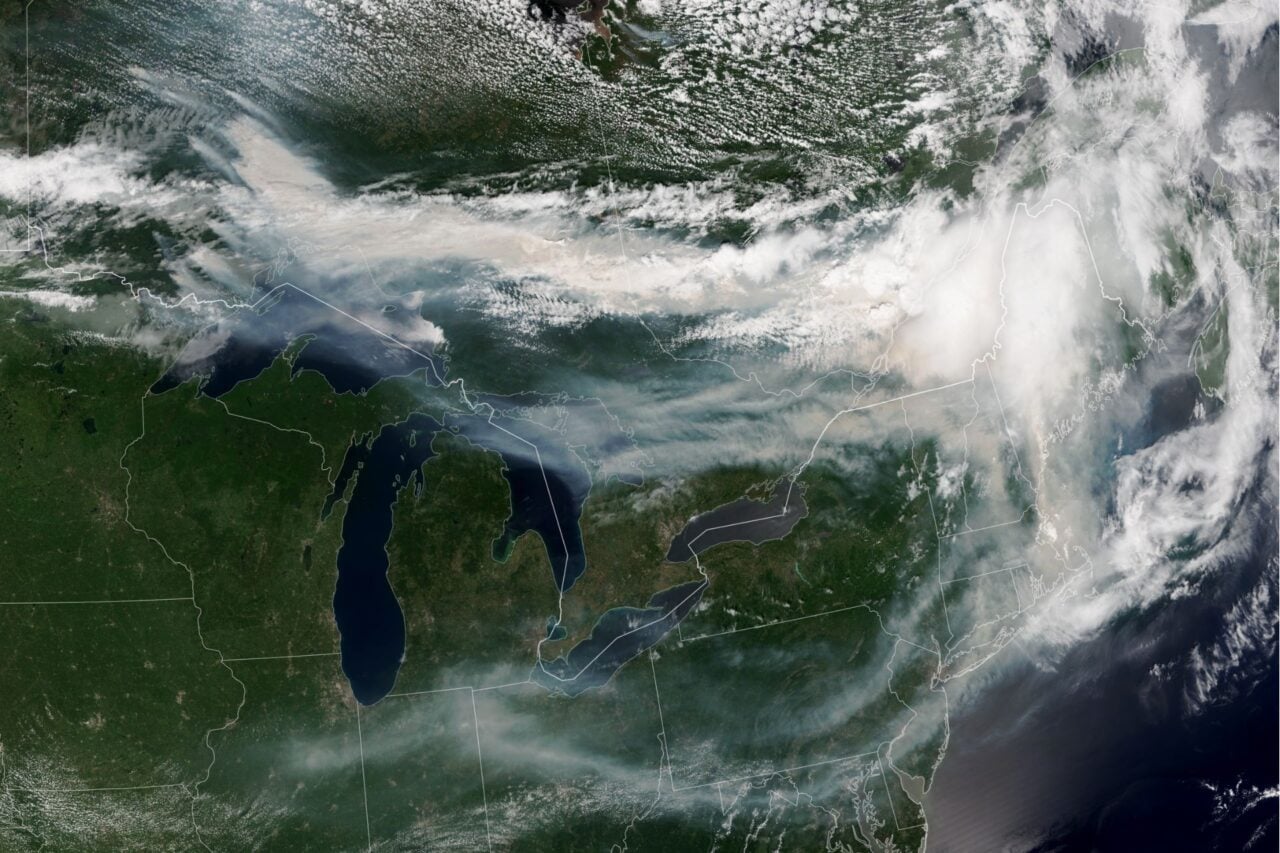
Siberia
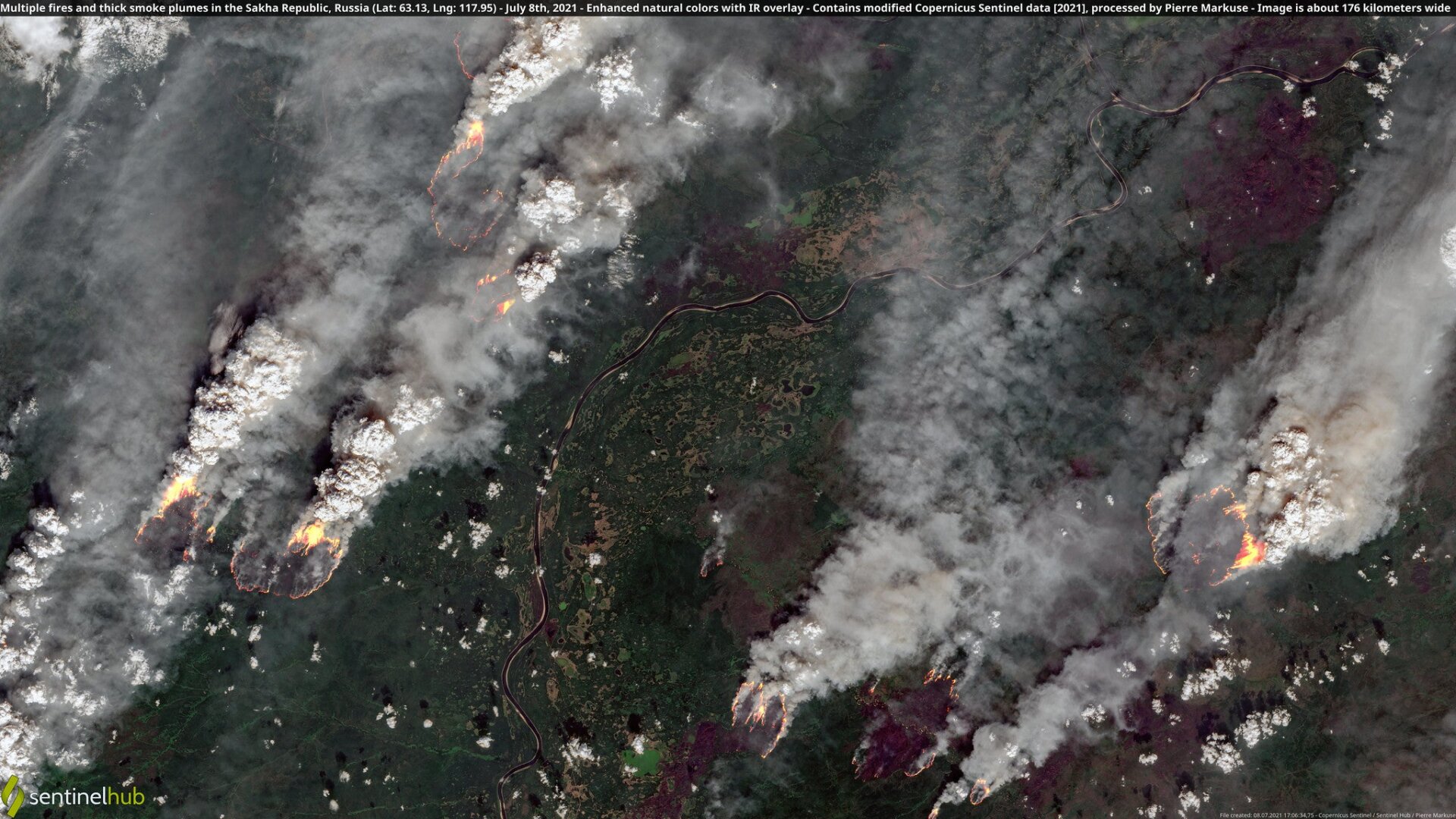
A year after Siberian forest fires released a record amount of carbon dioxide, the region is once again trending in the wrong direction. Hot, dry weather has led to a rash of fires in July that are once again well outside the long-term average. Carbon dioxide emissions from the fires are already double the 2003 to 2020 average and are now higher than they were at this same time last year. Whether the fires keep up their torrid pace remains to be seen.
A study found that last year’s extreme heat that drove the fires was 600 times more likely due to climate change. An analysis for this year’s abnormally hot weather hasn’t been done yet, but it’s become increasingly clear we can now safely assume climate change plays a role in every heat wave by either making it hotter or more likely.
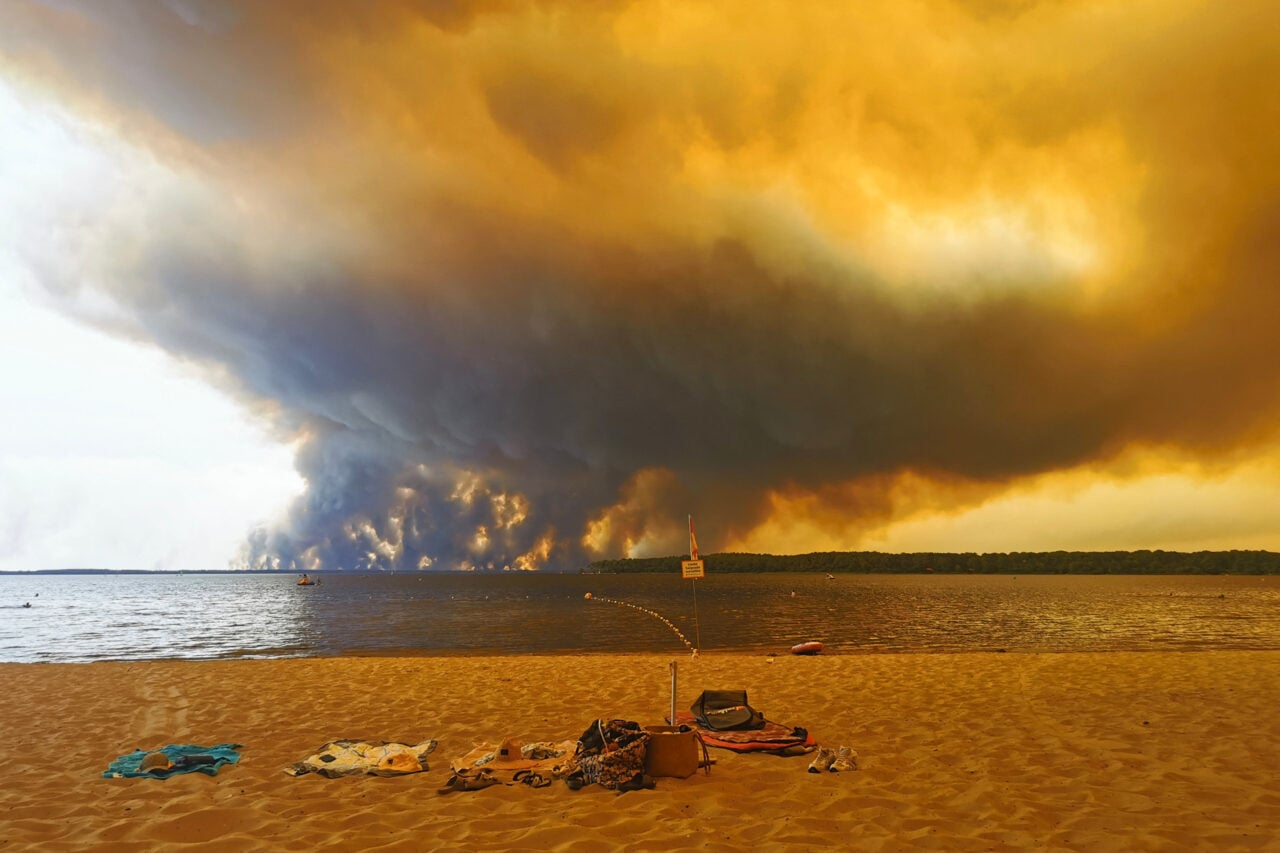
While these are the most remote fires of the lot, they’re also the largest. Satellite images show a deep, thick layer of smoke and massive burn scars covering an area the size of Connecticut. And that’s just one of the numerous areas ablaze.