Amplifier modeling
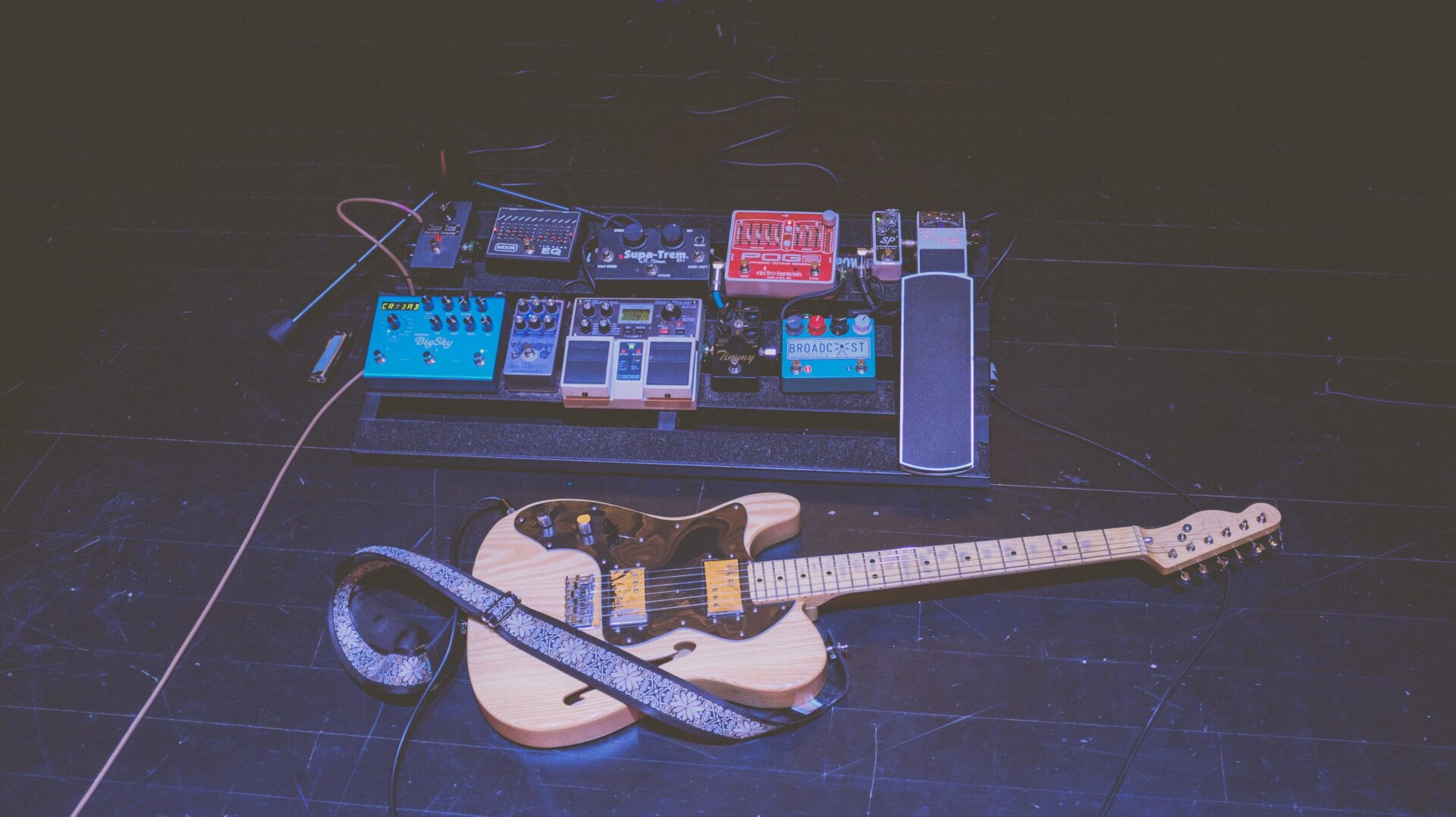
The shift to digital workstations and MP3s fundamentally altered the course of all music, even those less traditionally associated with digitized formats. Amplifier modeling, what some purists originally tried to shrug off as, fake amps, allowed guitars, bassists, and really anyone plugging into an amplifier to bypass the need for physical amps and instead plug directly into a computer for sound.
Pedalboards and amp knobs were replaced by DAW plugins and on-screen sliders. That seemingly small change would have huge implications, essentially giving anyone with a computer the ability to access a world of different musical tones, effects, and amp styles, all at a fraction of the cost of their physical predecessors. Recording directly from a guitar into a DAW also lets musicians bypass the cumbersome and expensive process of micing up studio rooms and painstakingly searching for the ideal way to capture a particular sound in a live room. While that process inevitably loses some of the character that gives a live performance its sense of presence, it simultaneously opened up recording to a near infinitely larger demographic of musicians who couldn’t afford or didn’t have access to recording studios. Amplifier modeling and direct guitar inputs are what make any number of bedroom pop indie bands possible.
The best amplifier modelers of the late ‘90, such as those released by the company Line 6which offered a few dozen types of simulated tones, seem quaint compared to their modern-day predecessors like the Helix and Kemper Profile which are nearly indistinguishable from the real thing for all but the most trained ears. Many musicians are increasingly turning to these tools for live performances as well, trading out the vans full of amps for the convenience and dependability of precise, preset sounds.