Auto-Tune Set a New Standard for Sound
If DAWs fundamentally transformed the way modern music was crafted, a product called Auto-Tune arguably did the most to alter the way modern music sounds. Like Google or Kleenex, Auto-Tune, just one of the numerous tools meant to “correct” the pitch of vocals and instruments, has entrenched itself as a generic noun and become ubiquitous in modern production. Nearly every song you listen to in 2023, whether it seems like it or not, almost certainly uses Auto-Tune or one of its copy-cats.
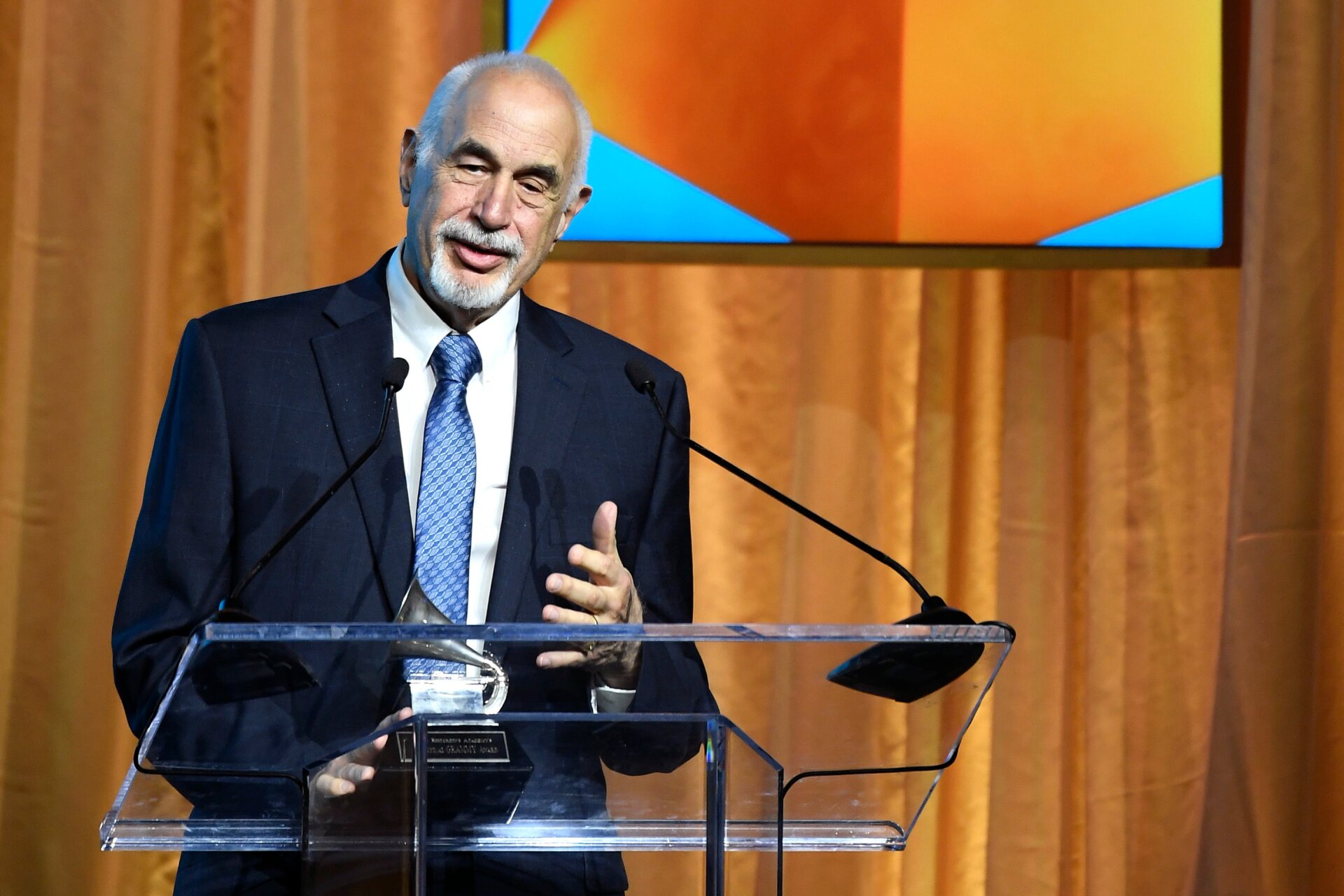
The inspiration for the tool oddly didn’t come from music at all but from the oil industry. Auto-Tune’s creator, a mathematician and musician named Andy Hildebrand reportedly conjured up the idea for the tools while developing advanced algorithms aimed at mapping underground surfaces for Exxon. In its most basic form, pitch correctors identify particular notes that are considered out of range of a particular key and force them back in line, a process that has some overlap with geological seismographs.
Hildebrand created Auto-Tune with subtlety in mind but more intrepid artists pretty quickly figured out ways to manipulate the new tool to create entirely “new” vocal sounds. By manipulating the speed with which notes are “corrected” to a desired pitch, artists learned to use the Auto-Tune feature to produce odd, robotic-sounding distorted effects. One of the first major examples of this effect presented itself in pop star Cher’s 1998 song Believe. Songwriters for years later would come to use the term “the Cher-Effect” to describe the process of pushing Auto-Tune to its limits. Rapper T-Pain would later take over that mantle with his own Auto-Tune drenched R&B, which he called “Hard&B.”
Auto-Tune and its inspired products have grown and evolved since their ‘90s debut to the point where they are now likely used in the majority of modern recordings, either subtly as a pitch-correcting tool or abstractly as a musical effect. Some artists, inspired by the T-Pain era, now inject Auto-Tune immediately into vocals, or in other cases, applied during live performances. For modern listeners, it’s not a stretch to say the AutoTune sound, if it can be described as such, is simply the baseline for what’s considered “normal” or expected for vocals.