PS, #6
If the planet had a plastic villain, it’d probably be polystyrene. Polystyrene, aka plastic #6, is super lightweight and breaks apart really easily, which makes it ideal to use for things like egg cartons, packing materials, and lightweight cups and takeout containers. Unfortunately, those two qualities also make a lot of things made of polystyrene incredibly difficult—and, in some cases, basically impossible—to recycle.
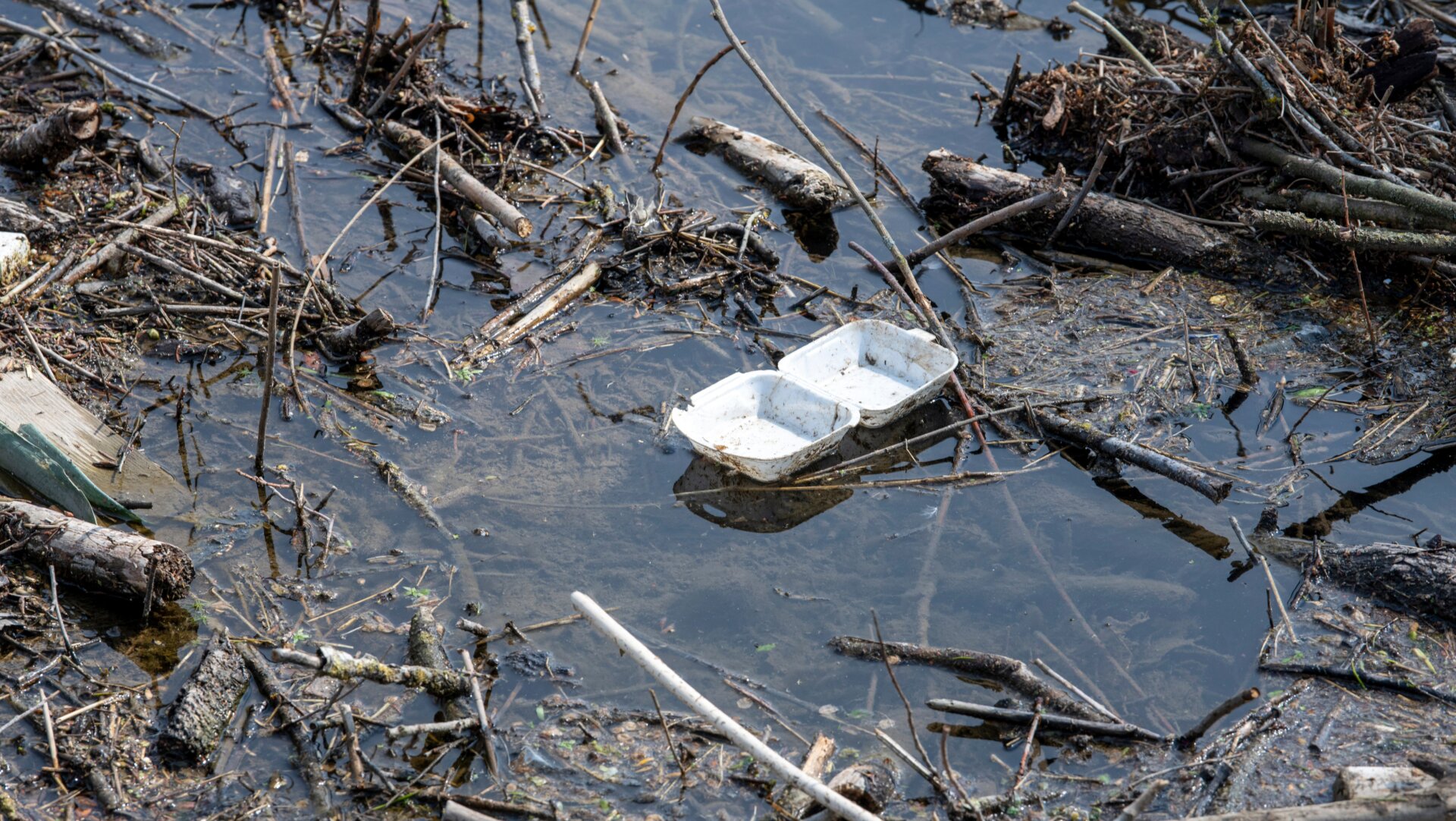
Styrofoam, the brand name for expanded polystyrene, is especially problematic because it tends to break apart into tiny pieces, easily getting into other plastic supplies and ruining batches of otherwise recyclable material. As litter, those tiny pieces can also contaminate ecosystems and put wildlife in danger. It’s estimated that Styrofoam takes up from 25% to 30% of landfill space around the world.
Some municipal recycling programs may accept some types of #6 plastic, but Styrofoam is pretty much persona non grata to most curbside recycling systems. It’s such a scourge that some cities have started banning Styrofoam takeout containers. If you’re committed to somehow figuring out how to recycle the packing peanuts from your most recent furniture shipment, there are a handful of specialty foam recycling centers around the country.
In essence, Styrofoam encompasses everything wrong with plastic: It’s everywhere, almost completely useless after the first use, and it hurts wildlife. Glad we’re stuck with this stuff for literally thousands of years!