Odd chemical pathways can give completely unexpected makeovers to some of the most troublesome waste; take, for example, an experiment that turned PFAS into battery-grade lithium. And now, researchers have found a recipe for using old acid from car batteries to make clean hydrogen fuel.
In a Joule paper published yesterday, researchers from the University of Cambridge in the U.K. describe a novel method for plastic recycling using the spent acid from car batteries. Laboratory tests confirmed that the reactor could run for more than 260 hours without performance decline. The team anticipates that the method could be applied to multiple types of plastic waste.
“We used to think acid was completely off-limits in these solar-powered systems, because it would simply dissolve everything,” Erwin Reisner, the study’s senior author and a chemical engineer, said in a statement. “But our catalyst developed didn’t, and suddenly a whole new world of reactions opened up.”
Two problems in one
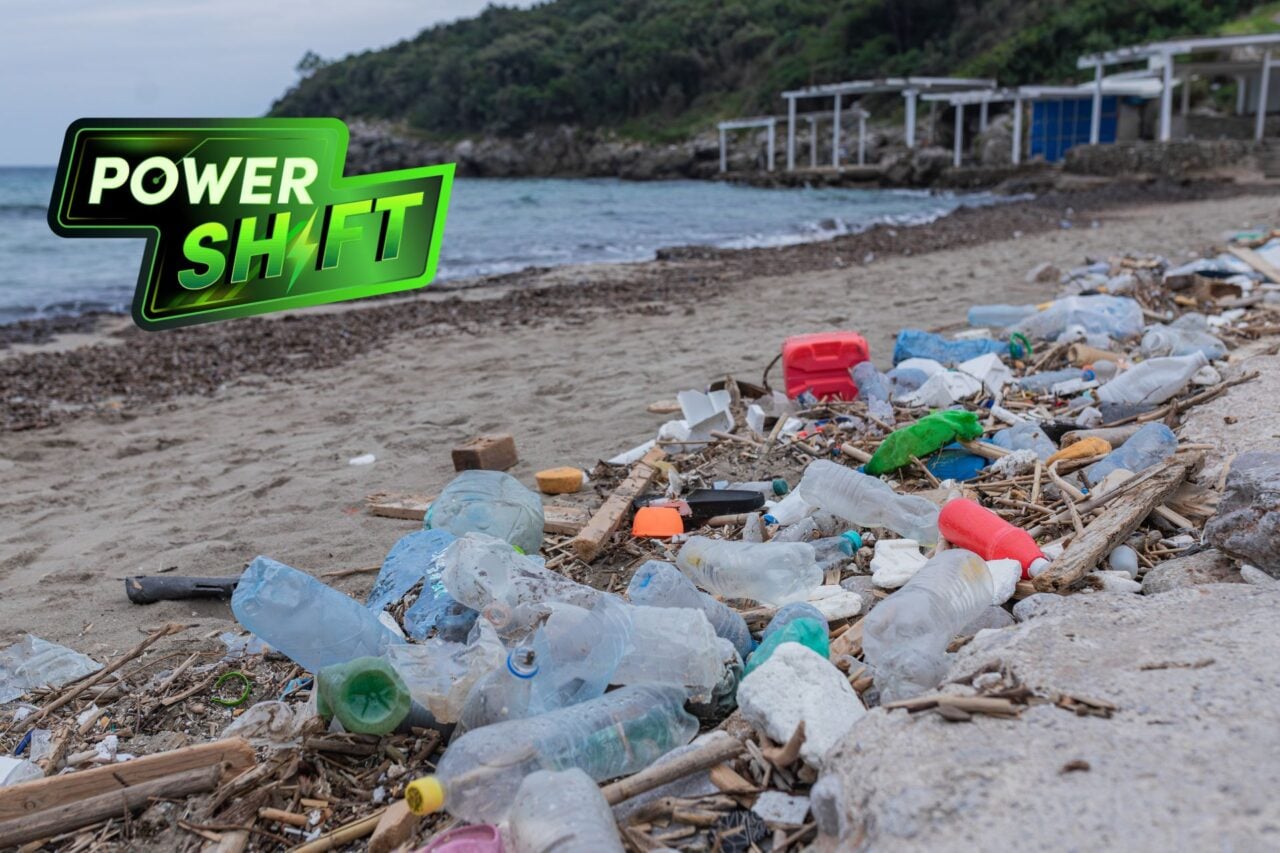
According to the World Economic Forum, the world produces about 400 million tons of plastic each year. Even worse, a measly 9% of plastics ever produced is recycled, whereas around 12% are incinerated—the rest remain in landfills or are released into nature, the European Environment Agency claims.
On the other hand, car batteries are, by volume, around 20% to 40% acid. But because this acid is highly corrosive, it is typically discarded and neutralized after the lead is extracted from the batteries for resale, the researchers explained.
Finding a loophole
At the same time, researchers knew that acids, precisely due to their corrosive nature, were quite useful in breaking plastics apart. But “we never had a cheap and scalable photocatalyst that could withstand them,” noted Kay Kwarteng, the study’s lead author and a PhD student.
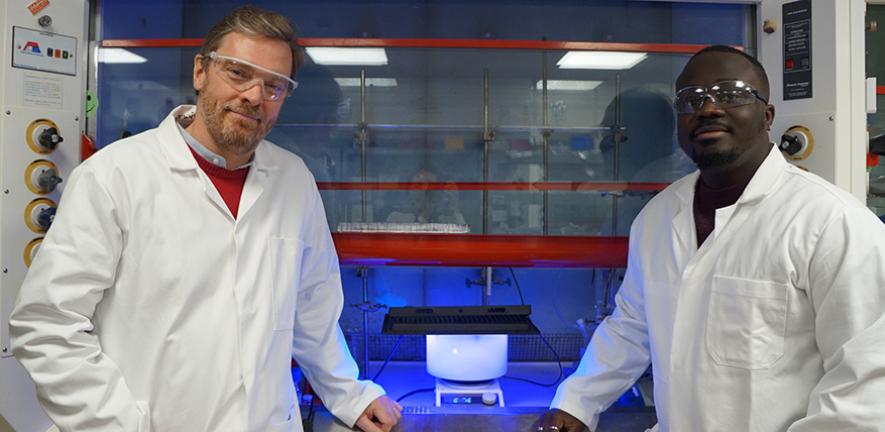
The new study, therefore, aimed to develop a photocatalyst, a material that accelerates reactions when exposed to light, that could withstand the destructive effects of acid. After some trial and error, the team arrived at a formula to create a closed “circular system” where one “waste stream” solves another, according to the paper.
The acid is “an untapped resource,” Kwarteng said. “If we can collect the acid before it’s neutralized, we can use it again and again to break down plastics; it’s a real win-win, avoiding the environmental cost of neutralizing the acid while putting it to work generating clean hydrogen.”
Putting acid to work
The new method, which the team calls solar-powered acid photoreforming, works as follows. First, the reactor treats waste plastics with acid. This breaks down plastic waste into easier-to-control substances like ethylene glycol, used in manufacturing to create antifreeze or printer ink. When exposed to sunlight, the photocatalyst further transforms this amalgam into hydrogen and acetic acid, or the main ingredient in vinegar.
The team then tested the efficiency of the photocatalyst and the reactor as a whole. According to the paper, the catalyst remained active over 11 days, or around 264 hours, without any significant decreases in performance.
The plastic problem
That said, it’ll be a while until the method hits commercial markets. The team expressed confidence in the underlying chemistry of its method but admitted more experiments are needed to ensure the reactors won’t wear out over time—at least, not quickly. The researchers added that the method is meant more to complement, not replace, conventional recycling.
“We’re not promising to fix the global plastics problem,” said Reisner. “But this shows how waste can become a resource. The fact we can create value from plastic waste using sunlight and discarded battery acid makes this a really promising process.”