American livers have been taking more of a beating over the past several decades, research out today suggests, and the primary culprit might surprise you.
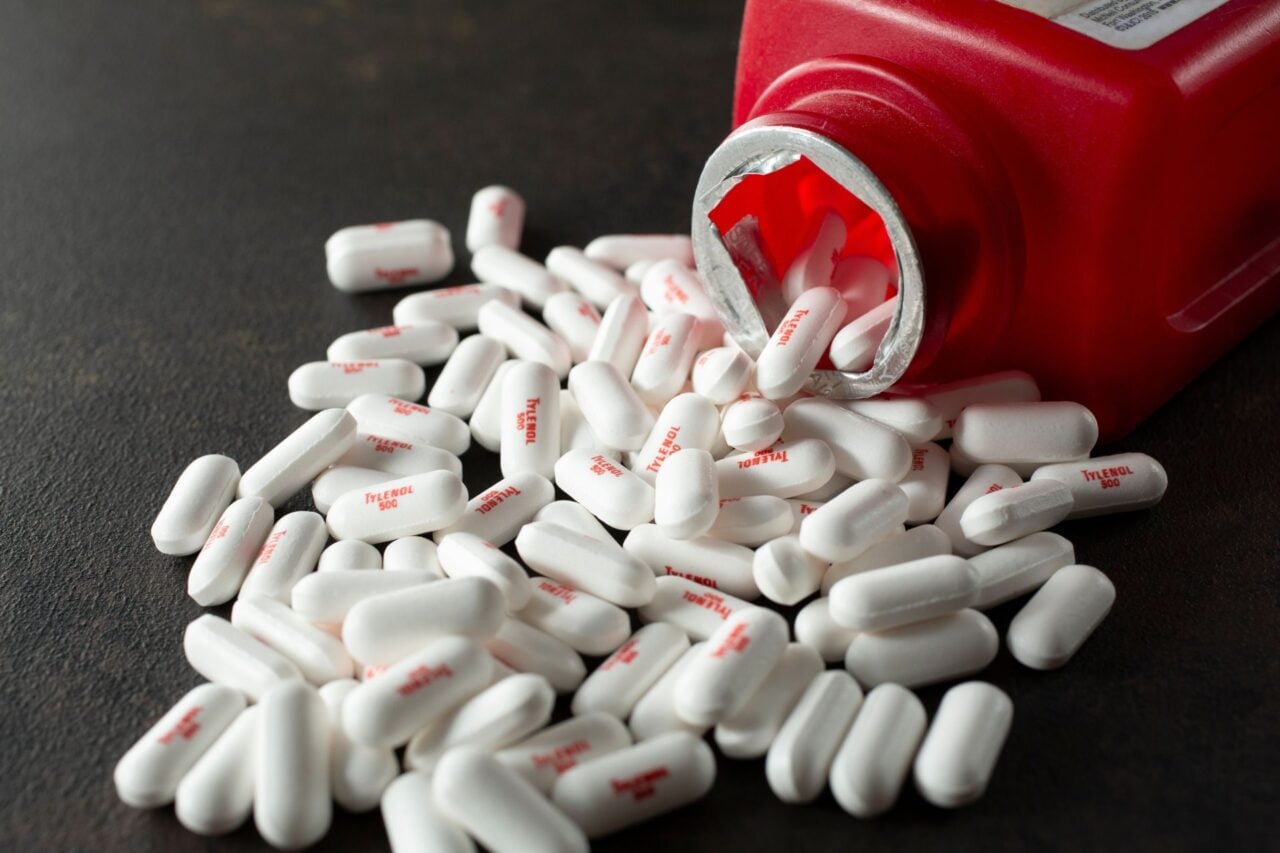
Researchers at the University of Virginia studied national poison center data, looking specifically at liver injuries caused by external substances. Since 2000, such reports have skyrocketed, with the most common source of injury being acetaminophen taken alone, the over-the-counter painkiller best known by the brand name drug Tylenol, they found.
The findings show that externally caused liver injuries “have increased substantially over the past 25 years, with [acetaminophen taken alone] emerging as a growing and persistent contributor,” the researchers wrote in their paper, published Thursday in the journal Clinical Gastroenterology and Hepatology.
Liver injuries
The researchers were interested in tracking the changing prevalence of liver injuries caused by xenobiotics, substances that are foreign to the body. This can include medications and dietary supplements, recreational drugs like alcohol, and environmental pollutants.
They turned to the National Poison Data System, focusing on reports of lab-confirmed liver injuries that were linked to xenobiotics. About 220,000 of these reports, involving people over the age of 15, were collected between 2000 and 2024, the researchers found. Based on this data, they calculated that the population-adjusted rate of these injuries had increased from 10.9 exposures per million people to 52.9 per million people during the study period—a more than fourfold increase. And these injuries often weren’t just an inconvenience, since more than 80% of annual exposures led to a hospitalization.
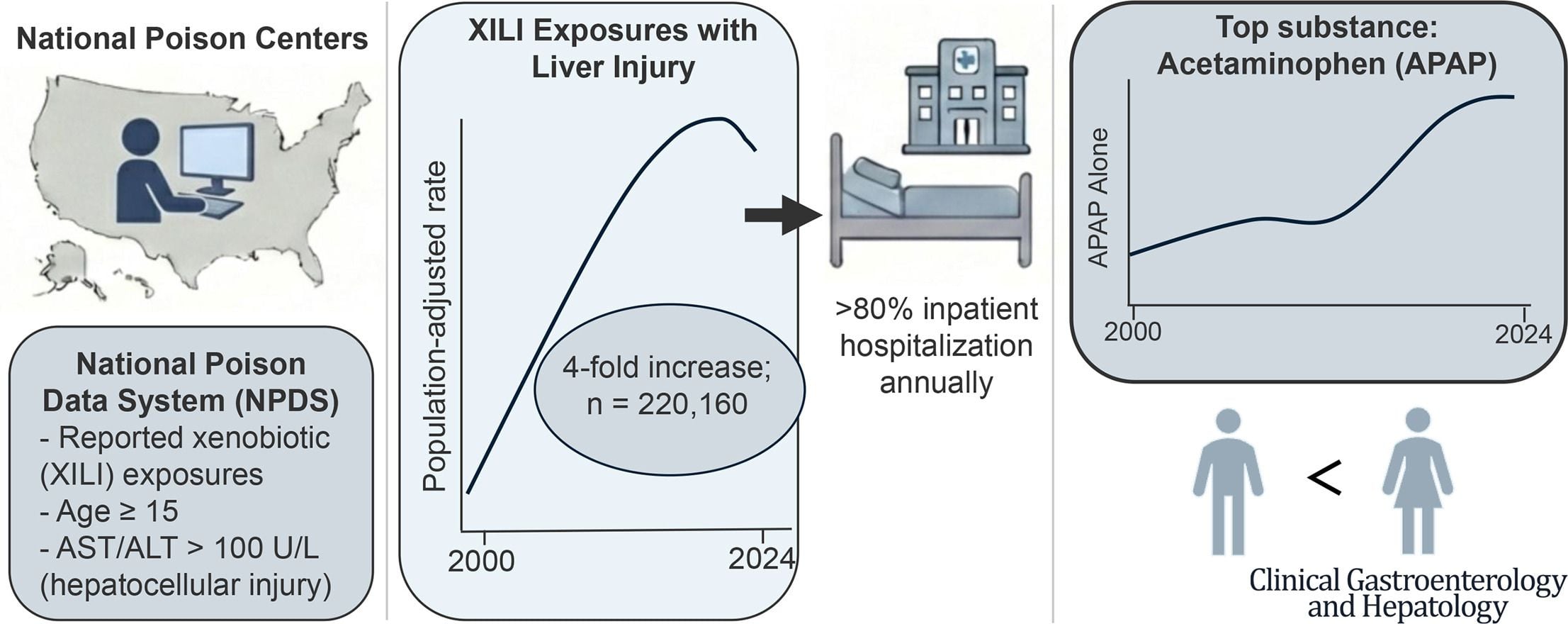
A vast majority of liver injuries (roughly 90%) involved medications, with the single largest contributor being acetaminophen taken alone (33% of reports in men and 45% in women). Similar to the overall trend, rates of acetaminophen-related injuries rose during the study. Alcohol was the second-biggest source, with reports having risen during the pandemic years (a trend other research has shown). Injuries from other recreational drugs and dietary supplements also increased during the study period, but these still remained relatively small contributors.
Lessons to take away
Acetaminophen is an invaluable pain and fever reliever. Compared to other common pain meds like nonsteroidal anti-inflammatory drugs, it’s gentler on the stomach. It’s also considered the safest OTC painkiller that women can use while pregnant (contrary to recent fearmongering from Robert F. Kennedy Jr., taking it during pregnancy doesn’t seem to raise the risk of autism). But we’ve long known that acetaminophen has a risk of causing liver damage, especially when it’s taken in higher doses than recommended.
The researchers note that the rate of injuries caused by medications combining acetaminophen with other drugs sharply dropped in the 2010s (by 60% to 85%), right after the Food and Drug Administration recommended new limits on how much acetaminophen should be added to such products. That suggests proper regulatory action can work to reduce these kinds of injuries, the researchers say. On the positive side of things, more recent poison center data has also suggested the rate of acetaminophen-related injuries has remained steady over the past three years.
Still, under the current status quo, at least 90,000 Americans are reporting toxic exposures to acetaminophen every year. And the rise in these acetaminophen-only cases over time indicates that more should be done to raise public awareness about the drug’s potentially serious side effects.
An occasional dose of Tylenol for a headache is perfectly fine, but as with most things in medicine and life, a little moderation goes a long way.
People might take more acetaminophen than recommended to cope with an especially bad bout of pain or because they mistakenly think more is always better. But the risk of liver injury is highest when overdosing. According to product labeling, this usually means only taking a maximum of 4,000 milligrams a day. However, experts generally recommend trying to stay below 3,000 milligrams if possible. And if you do feel it’s warranted to take more, you should consult with your doctor.