70% of The 2018 March For Our Lives Protest Would Have Been Exposed to Surveillance
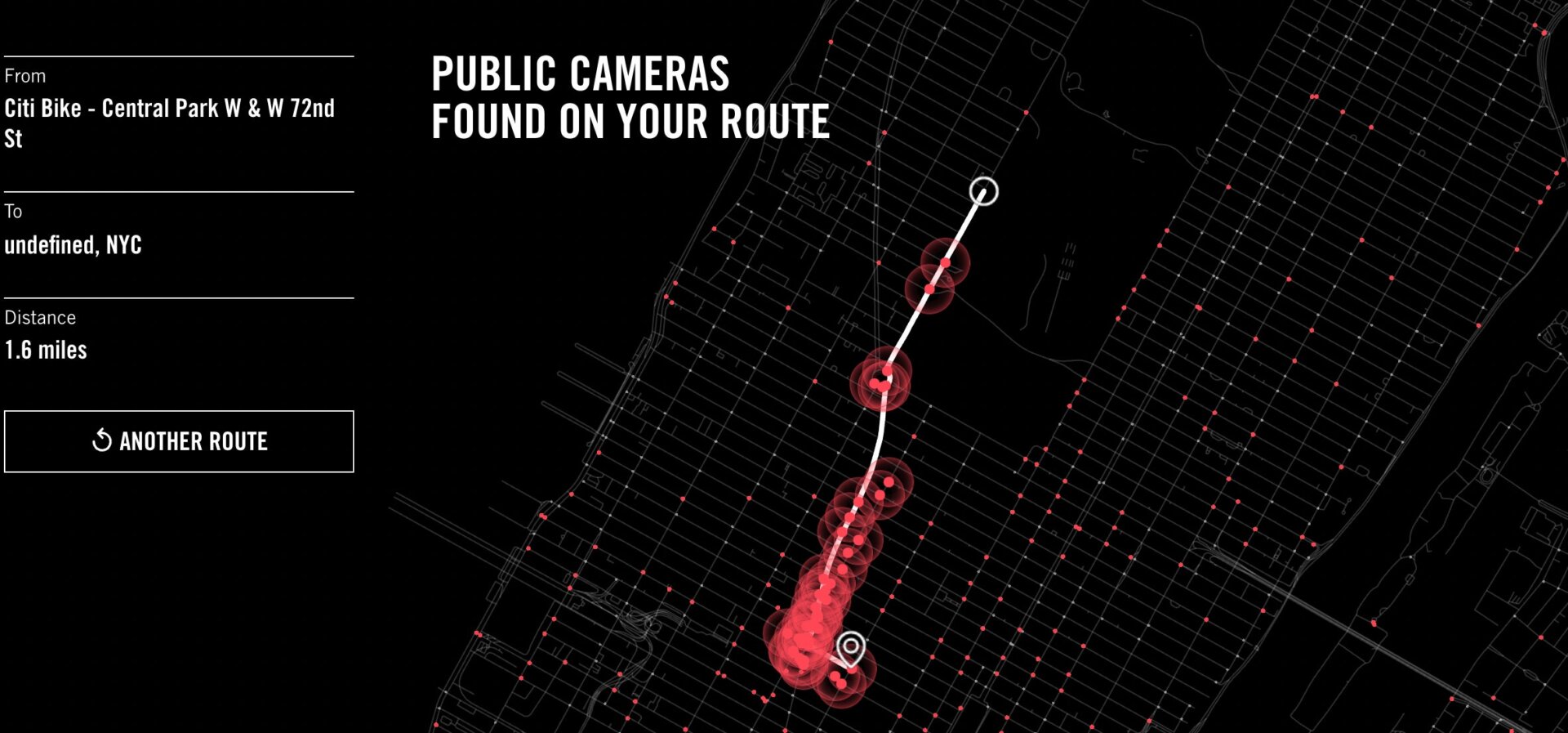
In March 2018, a little more than a month after a gunman left 17 people dead at Marjory Stoneman Douglas High School in Florida, students and young people drove forward a mass mobilization of demonstrators pleading with lawmakers for tighter firearm regulations. The NYC arm of the march reportedly began near the top of Central Park and ended around 1.6 miles away on 43rd street. That route is littered with dense clusters of pubic cameras at intersections, many so close together they overlap each other’s exposure areas. If conducted today, around 70% of the March for our Lives protest would have been exposed to facial recognition.