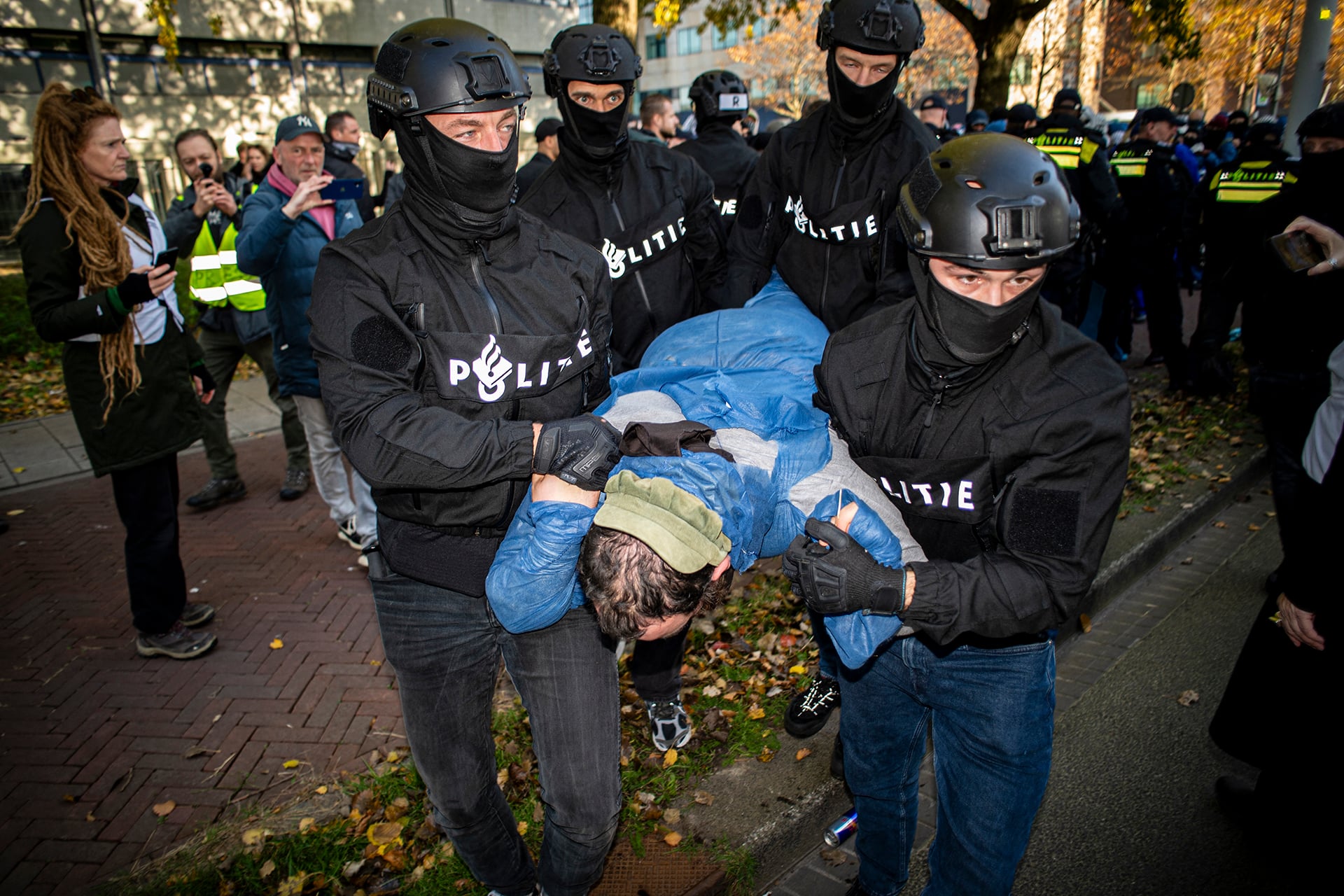
The backlash against data centers is intensifying around the world, and some protesters in Europe are taking things to the next level.
More than 100 protesters broke into the construction site of a planned Microsoft data center in Amsterdam on Friday.
Citing a police statement, Bloomberg reports that two groups entered the site by cutting open a gate. At least one person was arrested, and police confiscated items like an angle grinder and climbing equipment.
The facility is being developed by Pure Data Centres Group and will have a planned capacity of 78 megawatts. Microsoft is set to be its sole tenant.
"F*ck AI!"
Activists stormed Microsoft's Amsterdam data centre site, broke through fences, climbed cranes, and sprayed graffiti. Riot police showed up with batons.
The site will reportedly use as much electricity as every home in Amsterdam. pic.twitter.com/EBu1992Rc9
— Chay Bowes (@BowesChay) November 6, 2026
“We understand that people feel strongly about the project, and we respect their right to express those views peacefully,” a Microsoft spokesperson told Gizmodo in an emailed statement. “However, we do not condone any actions that are unlawful or that put people’s safety at risk. The wellbeing of everyone at and around the site, including workers, staff and neighbors is our first concern.”
A campaigner with the activist group Fossil Free Netherlands told Bloomberg that an estimated 400 protesters participated in the demonstration.
Meanwhile, the activist group Geef Tegengas, which helped organize the protests, claimed on Instagram that hundreds of activists had blocked construction of the data center.
“We won’t accept Amsterdam being used for the facilitation of genocide and the creation of AI slop,” the group wrote in the post’s caption. “Only to enhance the power of Big Tech billionaires.”
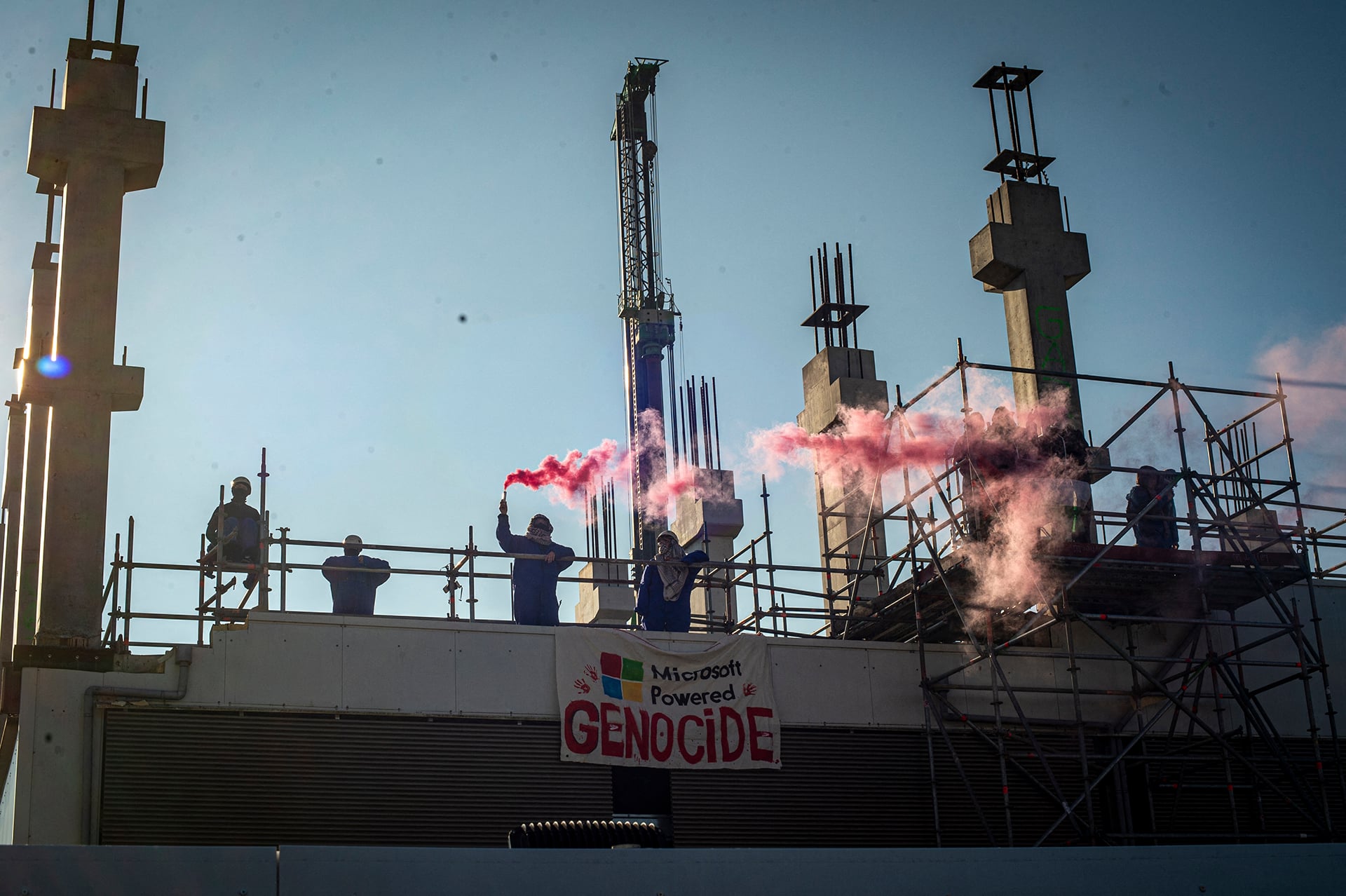
The Amsterdam protest is just one of several demonstrations planned across Europe this weekend.
The coalition Stop Dirty Data Centres, which is calling for a moratorium on large data centers across Europe, has organized two days of demonstrations on November 6 and 7. Its website lists events in countries including the U.K., Spain, France, Germany, and Poland.
“Together we are calling on elected leaders to implement moratoria at local, national and European level that pause data centre construction until we, the people, have democratically decided what is needed to ensure AI and data centres serve people and the planet, not private greed,” the website reads.
The coalition cites several concerns about data center expansion, including rising energy bills, water shortages, the climate crisis, the use of AI in warfare, and Big Tech’s growing power to undermine democracies.
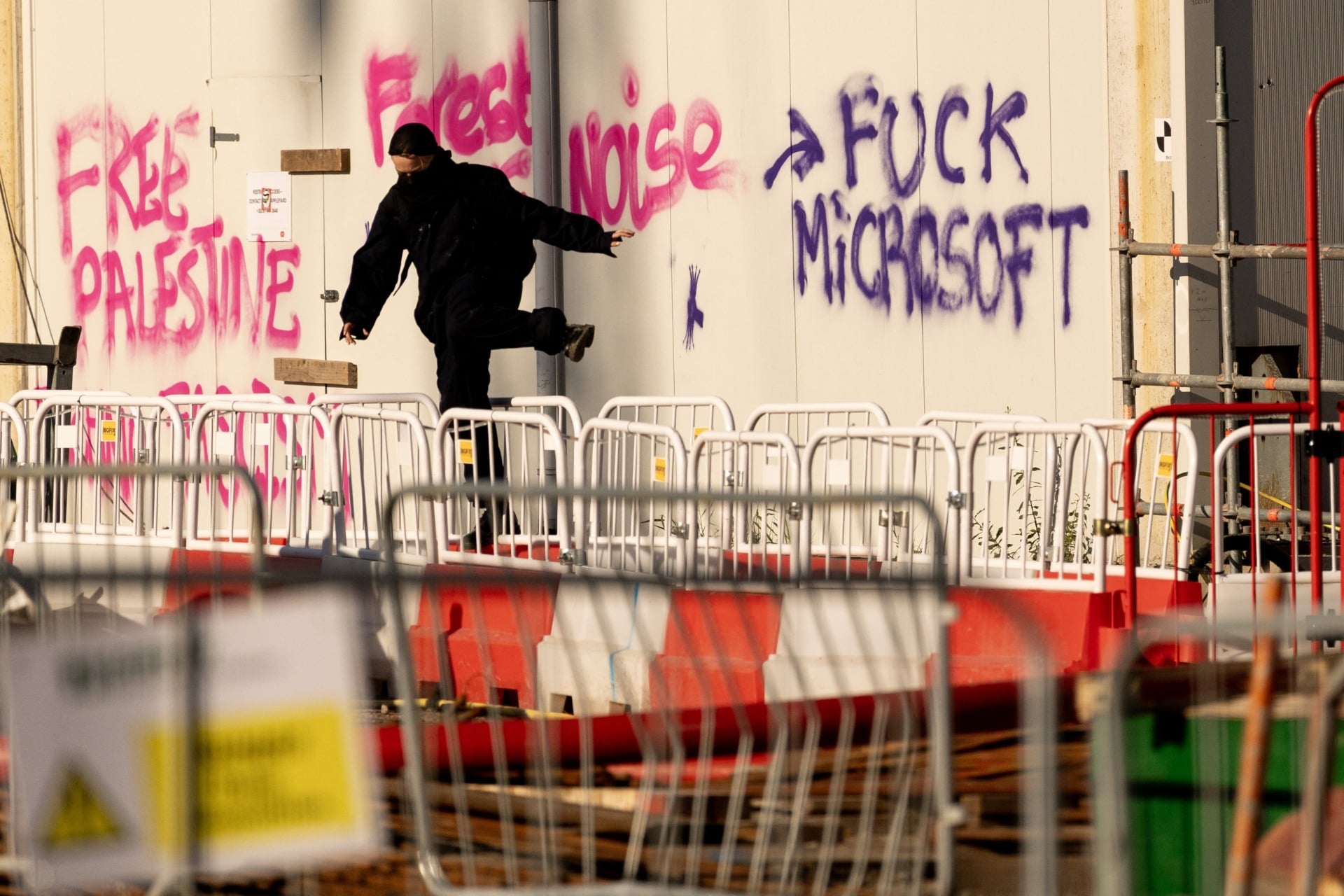
The demonstrations come just days after the U.S. midterm elections, which also delivered setbacks for data center projects.
Democrats won control of both chambers of Congress and flipped several Republican-held governorships, including Texas and Georgia. Both states’ incoming governors have called for pausing new data center development. Voters also overwhelmingly favored restrictions on data centers in local elections. According to Ballotpedia, voters favored limiting data center development in 40 of 41 local ballot contests on Tuesday, approving measures that included outright bans, temporary moratoriums, and new development restrictions.
Together, this week’s election results and the protests across Europe suggest that the backlash against data centers is becoming a global problem for the AI industry, and one that isn’t going away anytime soon.
Read More: