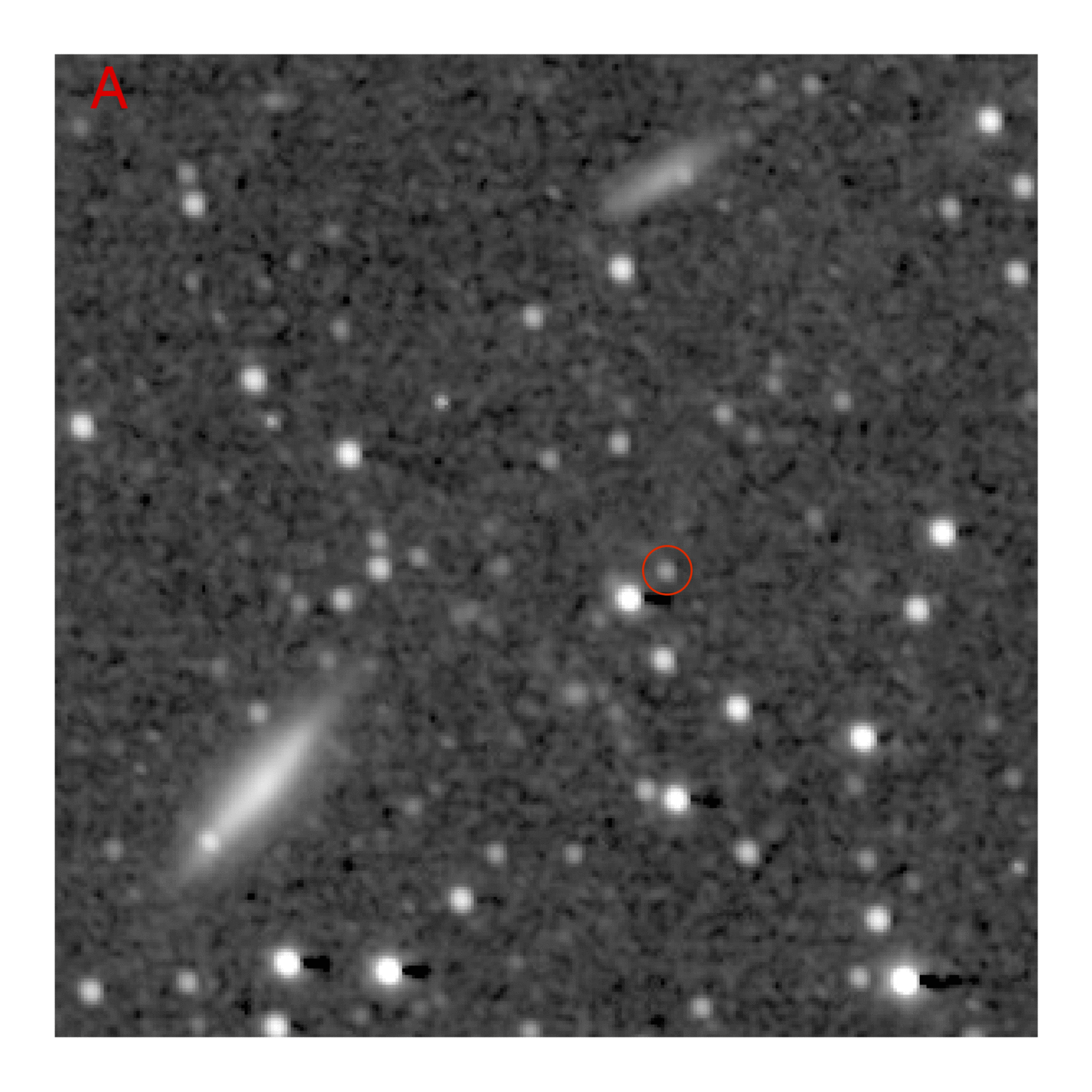
In July 2016, New Horizons spotted Quaoar, a distant Kuiper Belt object measuring 690 miles (1,110 km) across.
Users really trust AI chatbots, some experts say too much.
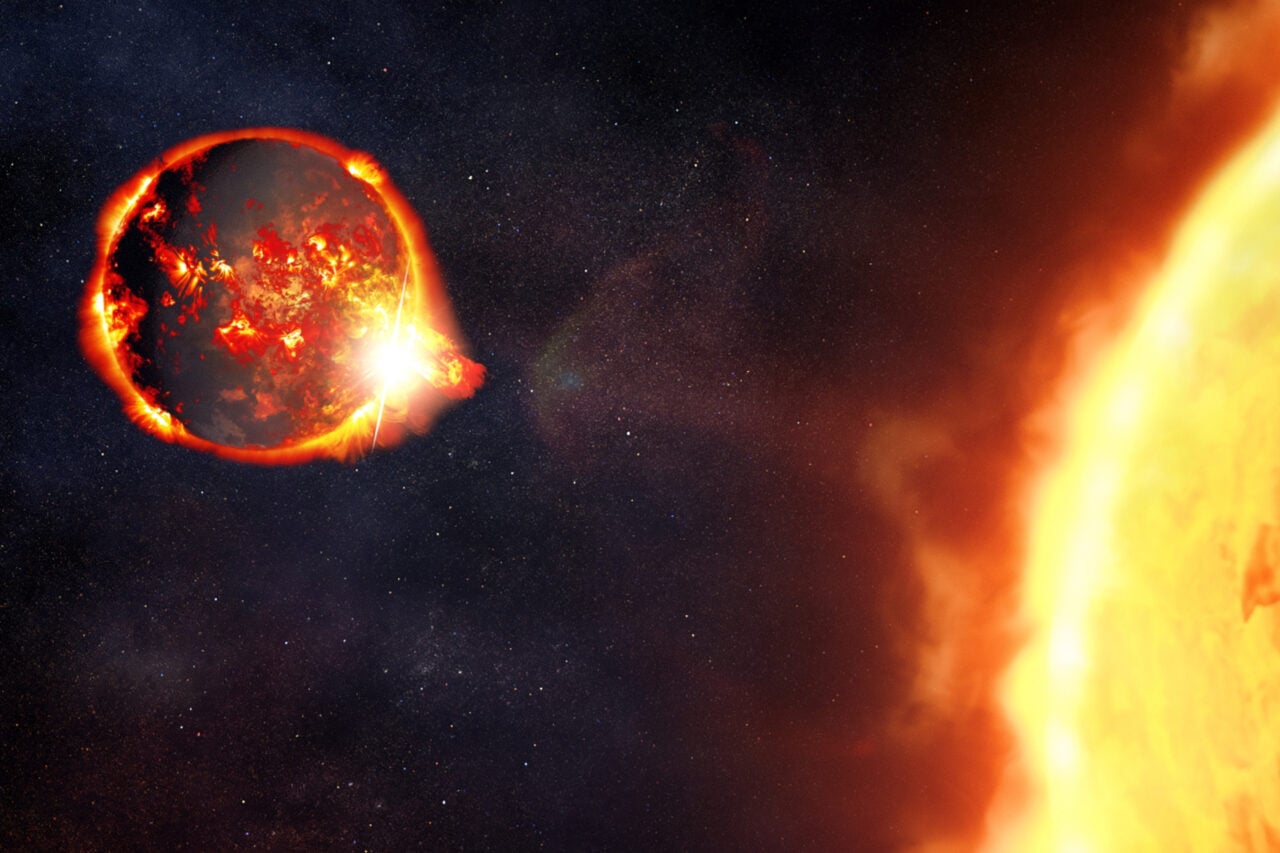
“The Sun’s death is not an event the planets will quietly survive—it is the trigger for their orbital undoing.”
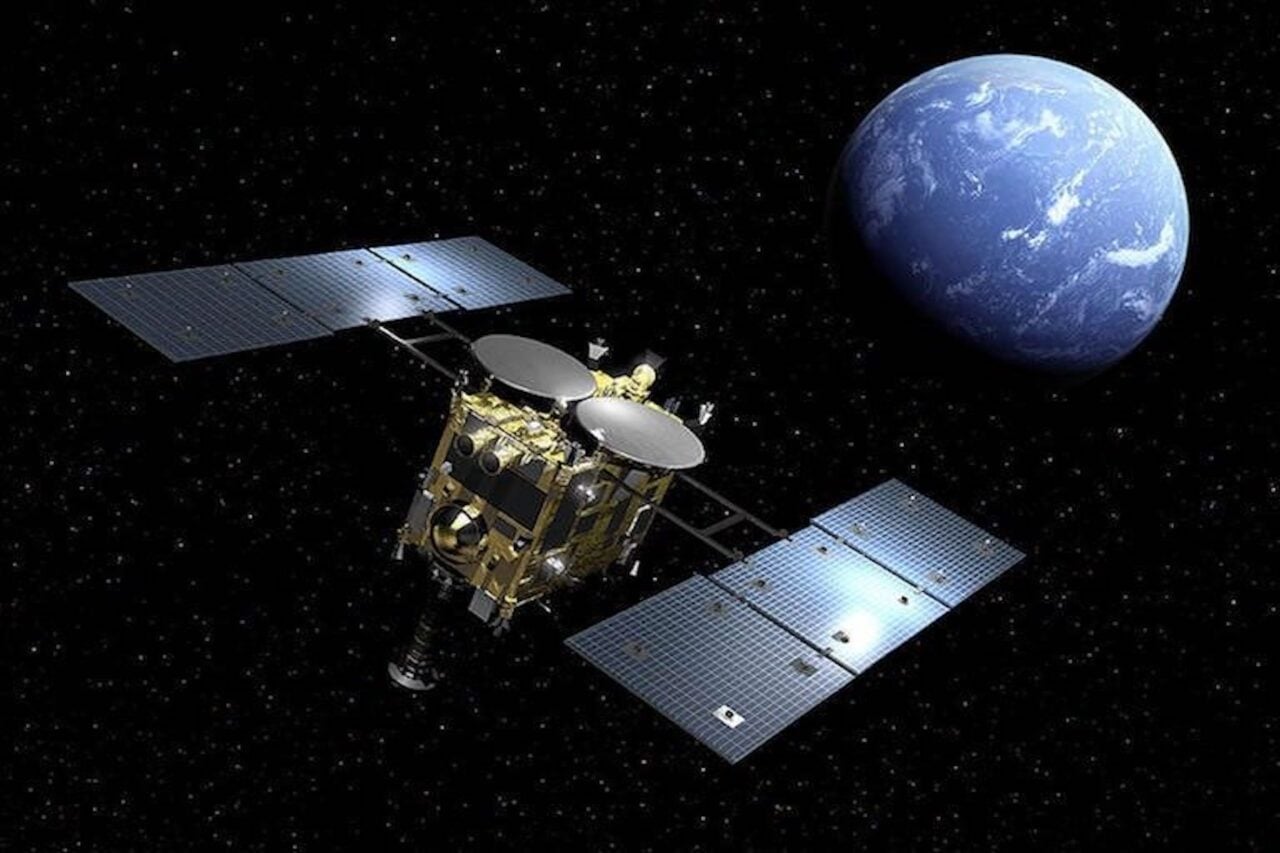
Hayabusa2 is on an extended mission to collect another batch of samples from a tiny asteroid.
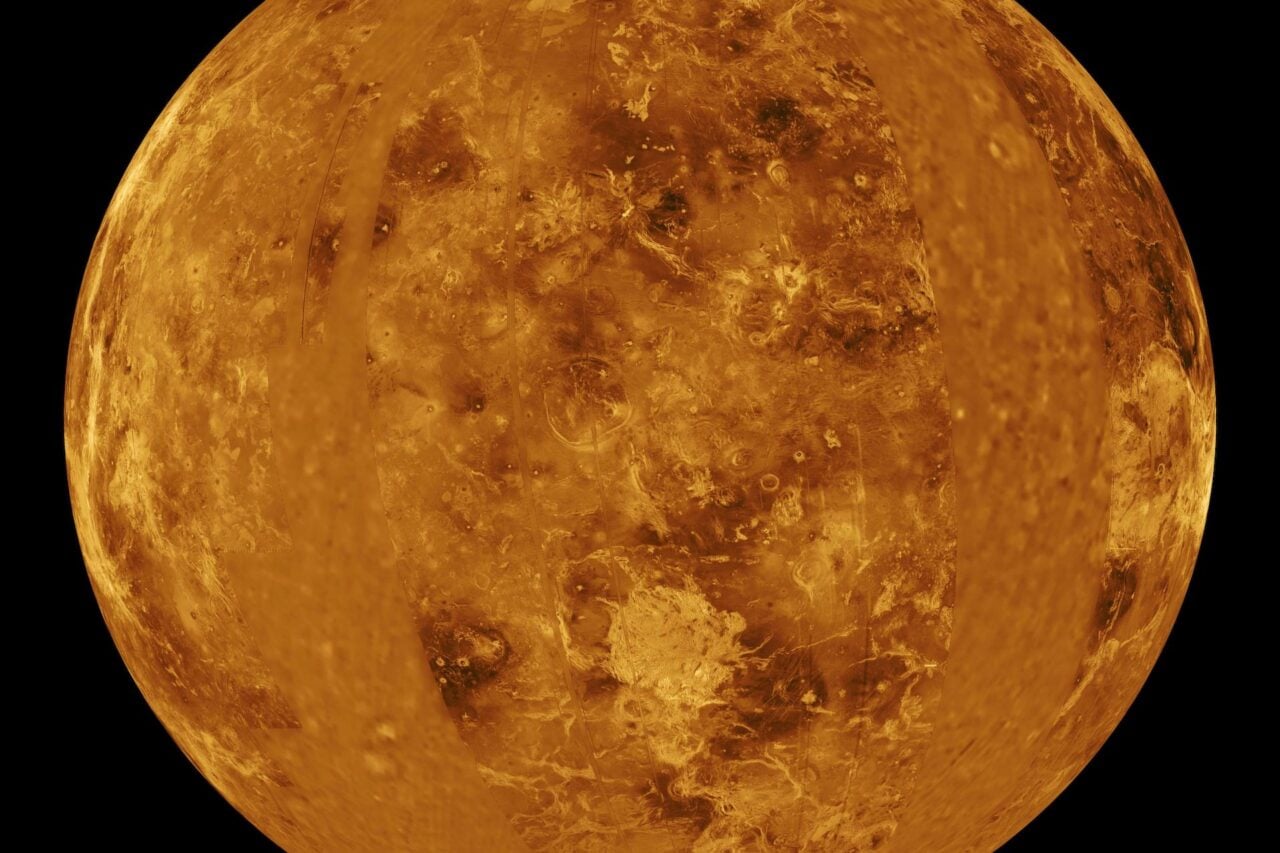
The planet has definitely earned the title of Earth's evil twin.
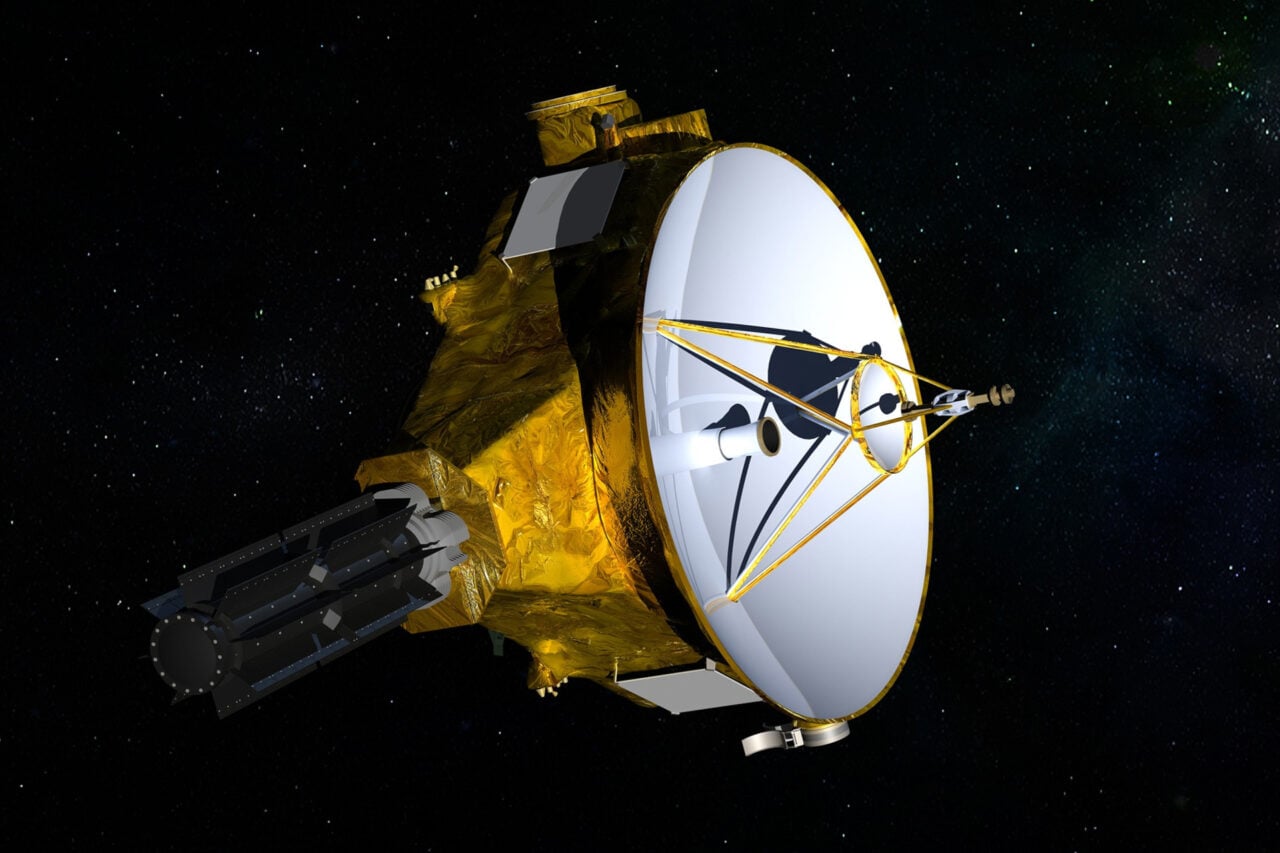
The spacecraft is currently approaching the outer boundary of the solar system as it prepares to cross into interstellar space.
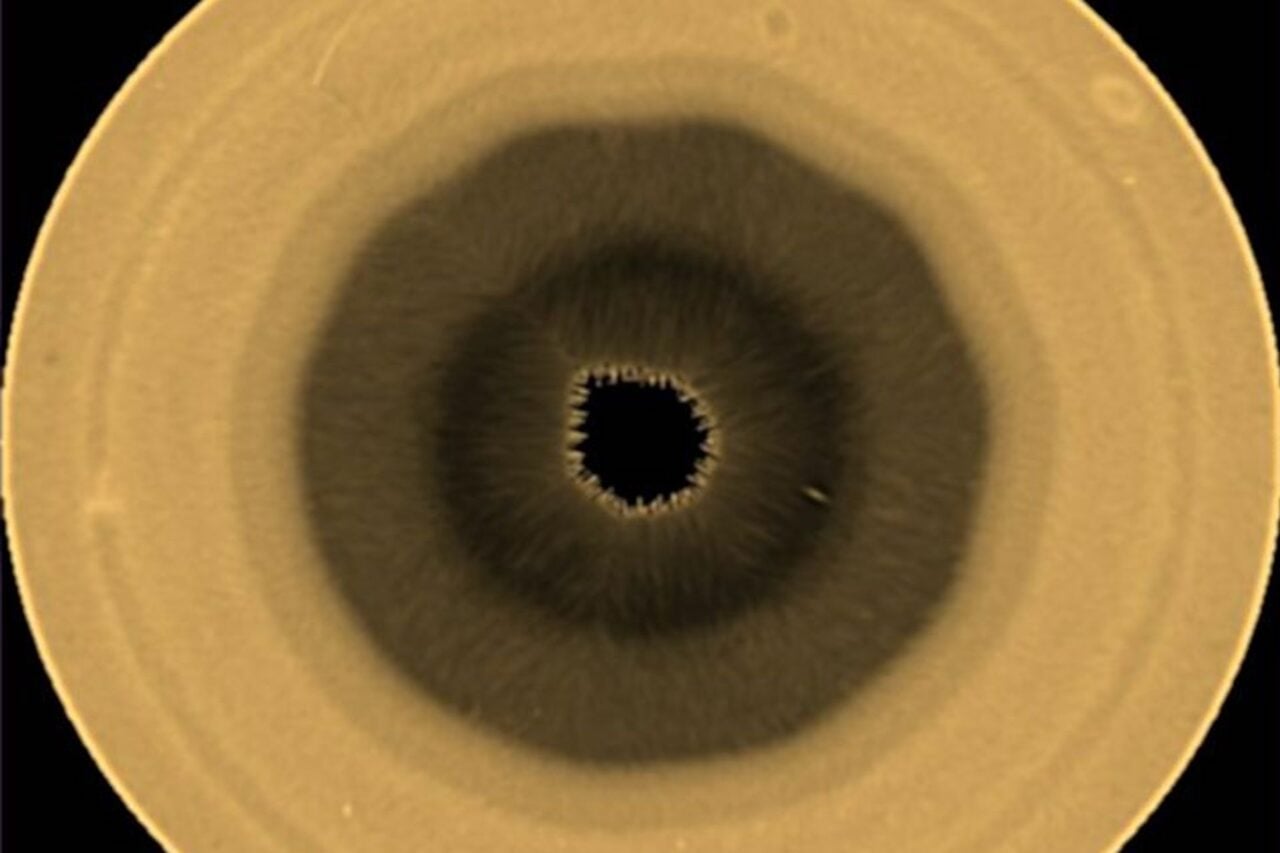
Recent images by Hubble revealed a decagonal-shaped wave around Saturn's south pole