What I remain neutral about: Wear OS
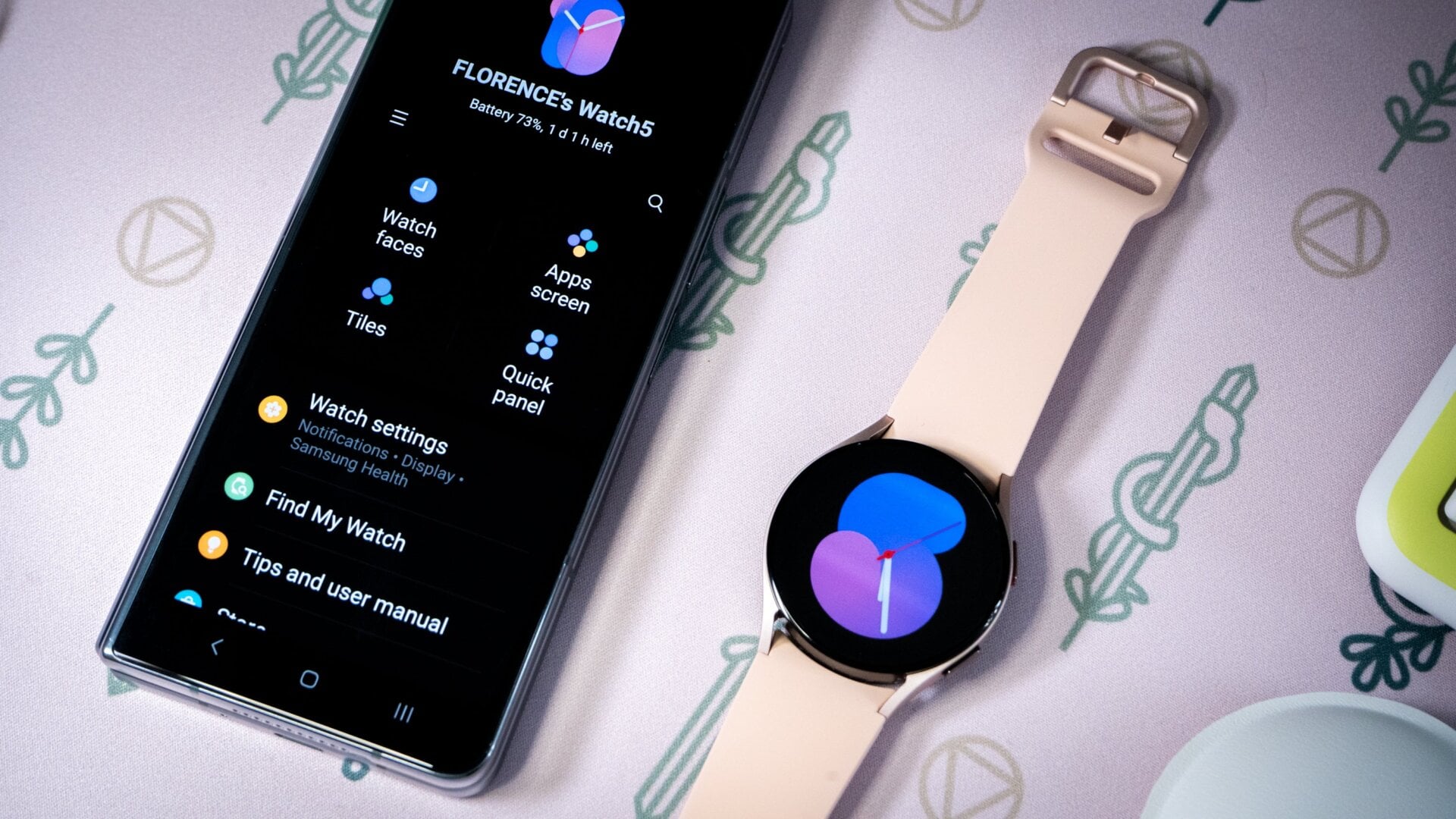
For its part, Wear OS is still pretty simplistic. Much of its core usage hasn’t changed over the years: You can still load up a playlist on Spotify for listening to music on the go and grab just a pair of earbuds for the road instead of bothering with your phone. You can quickly reply to messages using voice dictation or the swipe-and-tap method, which is surprisingly accurate considering how small the screen is when you’re typing.
I do wish there were more widgets besides Samsung’s built-in ones. As much as I love to have a spot for the timer and Samsung Health, it’d be great to have something for apps like Google Keep and Google Chat, which I still use to interface with my family. I’d also love more fan-servicey watch faces, which seem impossible to find in the Play Store. I’ve settled on simply making my own with Samsung’s built-in watch face maker to get my desired result—but it’s not the same!
I wonder if there will be any software differentiation between the Pixel Watch and the Galaxy smartwatches, much in the way that Google’s Pixel smartphones have the Pixel Launcher and Samsung’s smartphones run its version of Android called One UI. Like Android smartphones, the only way Wear OS-based smartwatches will compete will be in their hardware offerings. So far, Samsung is still the clear standout when it comes to Android watches.