











A new review shows a "lack of robust evidence" linking the use of Tylenol during pregnancy to either autism or ADHD.
The cull, spurred by bird flu concerns, aims to eradicate 400 ostriches living on a farm in British Columbia.
In a recent study, both occasional and regular bedtime screen users reported the best overall sleep health.
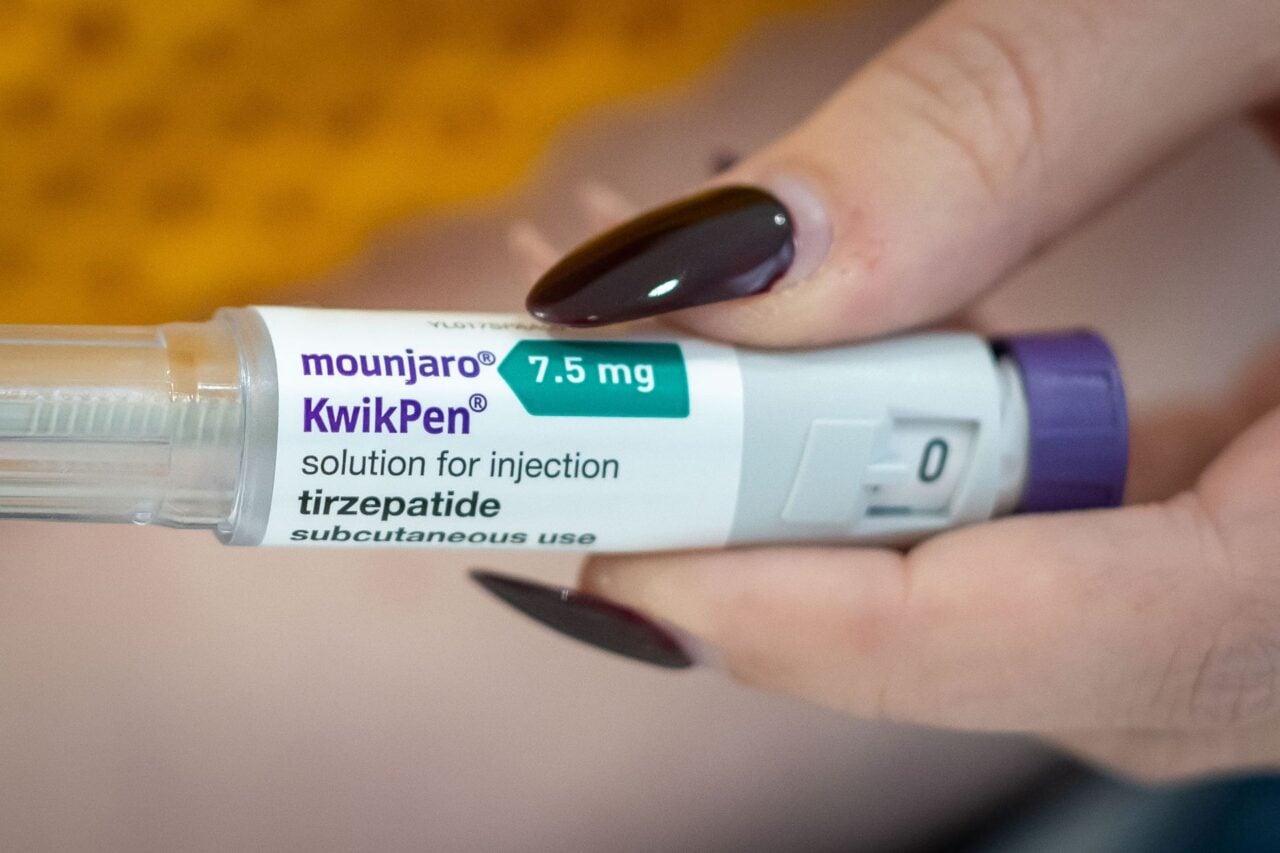
Preliminary research suggests that NG101, a drug from Neurogastrx, may lower the risk of nausea and vomiting in people taking semaglutide.
New research is the latest to find that thunderstorms can worsen your odds of a serious seasonal asthma attack.
Doctors in the Philippines reported an unusual case of ectopic breast tissue in a recent report.
The "freshman 15" have become infamous enough to catch researchers' attention.
From tainted baby powder to sketchy blood testing devices, medical scandals are alive and well this century.
As if we needed another reason to put our phones down.
More cases and deaths in new states have been detected over the past month, health officials report.
The newly discovered BRZ batCoV shares a key feature of SARS-CoV-2, one that could allow it or similar viruses to infect human cells.
Three rhesus monkeys had escaped near the town of Heidelberg following a truck crash last week.
Researchers have found evidence that taking melatonin for a year or more is associated with a higher risk of heart failure.
In his new book, neuroscientist Steve Ramirez delves in the fast-growing field of memory manipulation, which is being explored as a treatment for depression and other mental health conditions.
Researchers pinpointed an association between maternal covid-19 infections and children being diagnosed with neurodevelopmental issues years later.
"Nasal leeches" are an uncommon source of nosebleeds, his doctors wrote in a recent case report.
24 million Americans will start open enrollment Nov. 1.
After a year of ongoing outbreaks, Canada is expected to lose its measles-free status. Experts say the U.S. is on track for the same fate.
As of this morning, three monkeys are reportedly on the loose.
If gluten’s hard on you, but not because of celiac disease, you're in good company, according to new research.