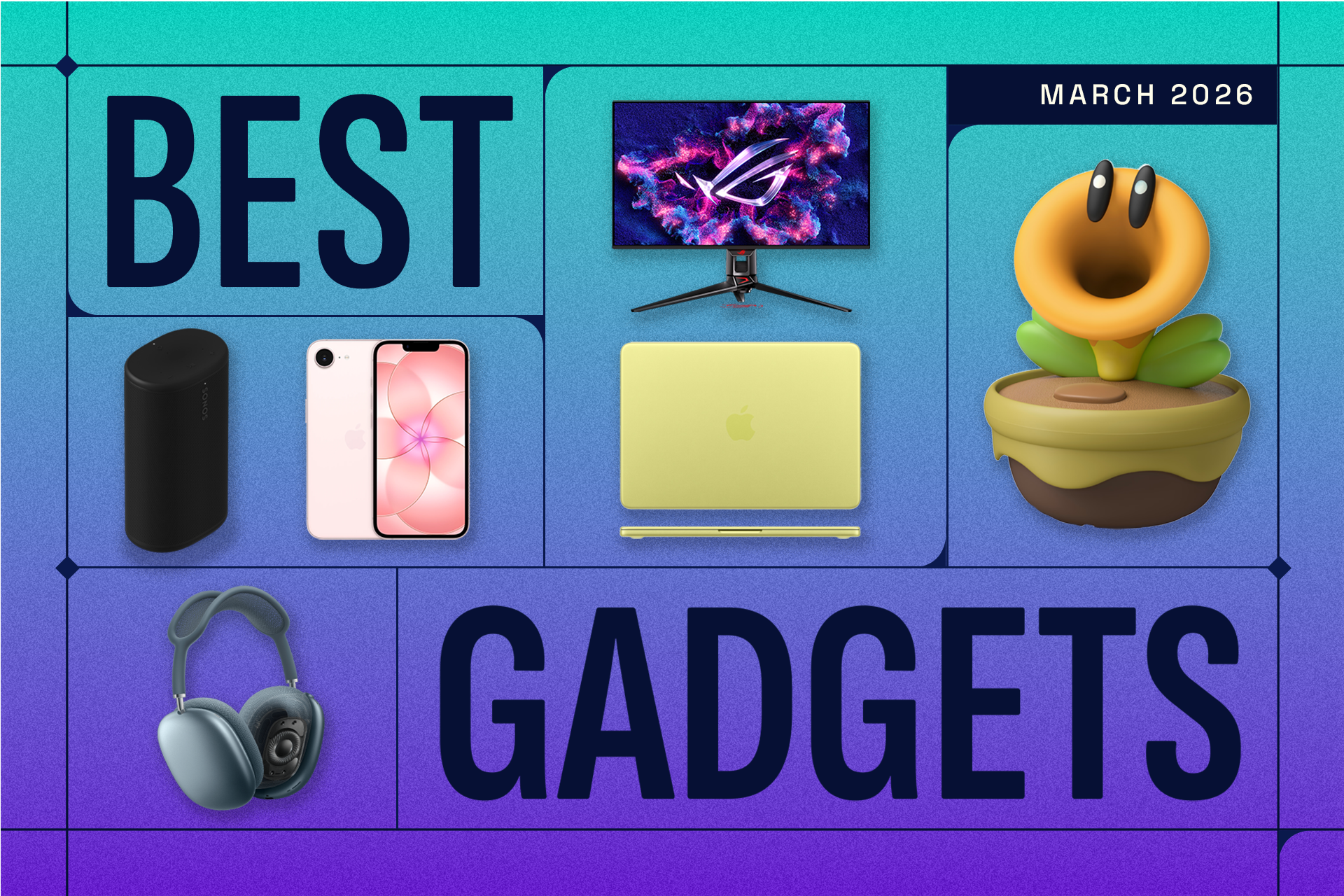
March madness is over. No, not college basketball. I’m, of course, talking about Apple’s own March bonanza headlined by the $600 MacBook Neo. The low-cost and colorful laptop easily stole the spotlight this month.
The rest of Apple’s March product launches were mostly spec bumps, but all of them—the M5 MacBook Air, M5 Max MacBook Pro, Studio Display XDR, M4 iPad Air, AirPods Max 2, and iPhone 17e—earned high marks in our reviews. Haters will call us Apple fanboys, but these are the second, fourth, and fifth generations of previous products, so it’s no surprise that they’re more polished than before.
It wasn’t all Apple releases, though. There were plenty of notable gadget releases from other brands. Sonos returned with two new speakers—the wireless Play and the wired Era 100 SL. Nothing skipped the flagship this year to focus on the literally flashy midrange Phone 4a and Phone 4a Pro. We were one of the first to review the new Ikea Varmblixt donut lamp that now changes colors. And we also got to bug everyone in the office with the adorably annoying Nintendo Talking Flower.
It’s a little bananas to think that the first fourth of the year is now behind us. We’re honestly just praying that the RAM apocalypse doesn’t get worse and cause the prices of gadgets to increase. But it’s hard to be optimistic when even a company as large as Sony is forced to hike up the price of its PS5 Pro for the second time in less than a year.
MacBook Neo
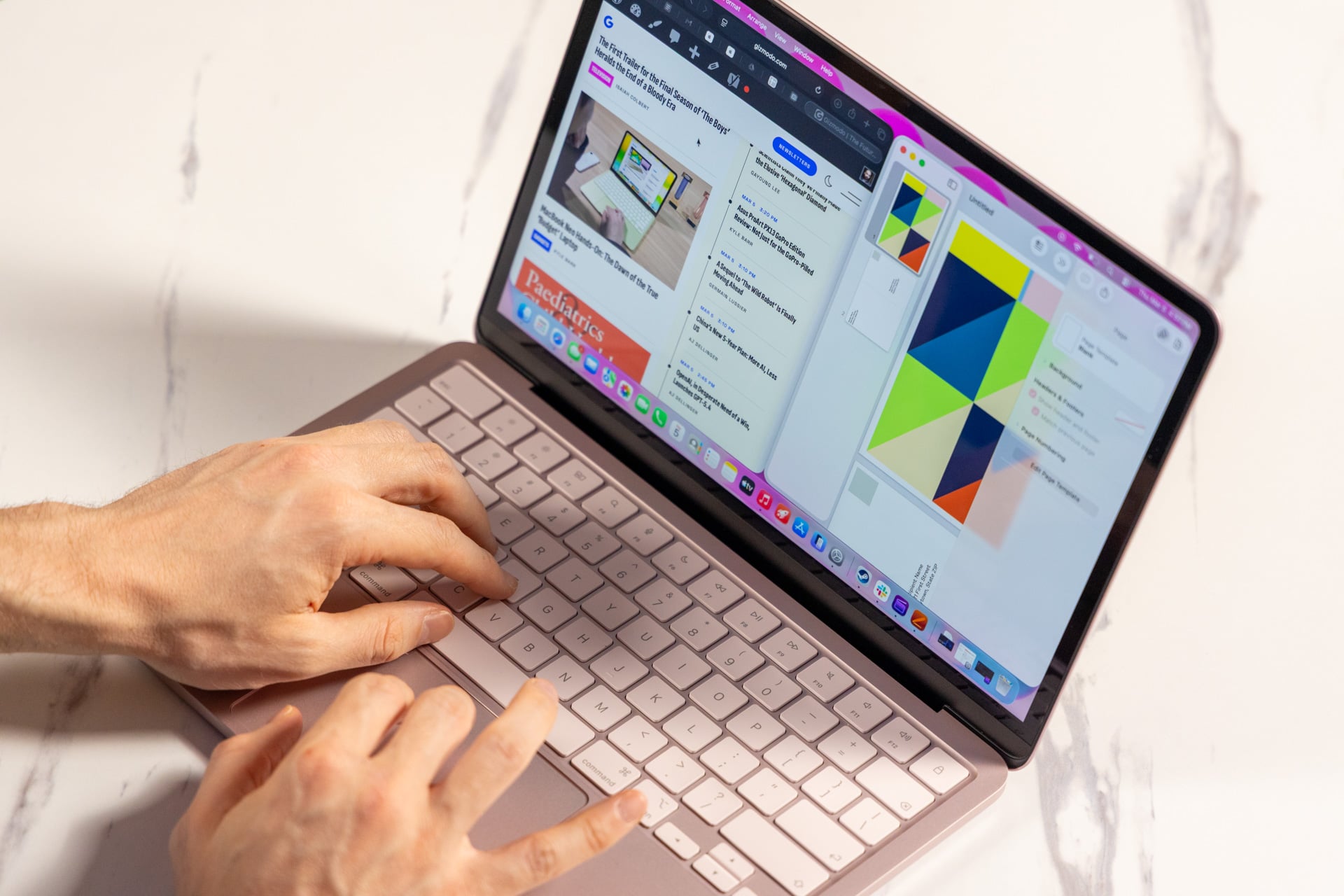
The MacBook Neo may start at $600 ($500 with an education discount), but the 13-inch laptop is anything but cheap or flimsy in terms of build quality. It’s everything that makes a MacBook a MacBook. It’s sturdy thanks to its unibody aluminum construction, the keyboard and trackpad are terrific, and the Retina display is sharp. Sure, it comes with tradeoffs like two USB-C ports (no MagSafe for charging), no backlighting on the keyboard, and only 8GB of unified memory, but for $600 it’s hard to really complain about them. More than anything, the A18 Pro chip is proving more than capable enough. The MacBook Neo is far greater than a Chromebook or midrange Windows 11 laptop. Plus, it comes in a bunch of fun, eye-catching colors.
Sonos Play
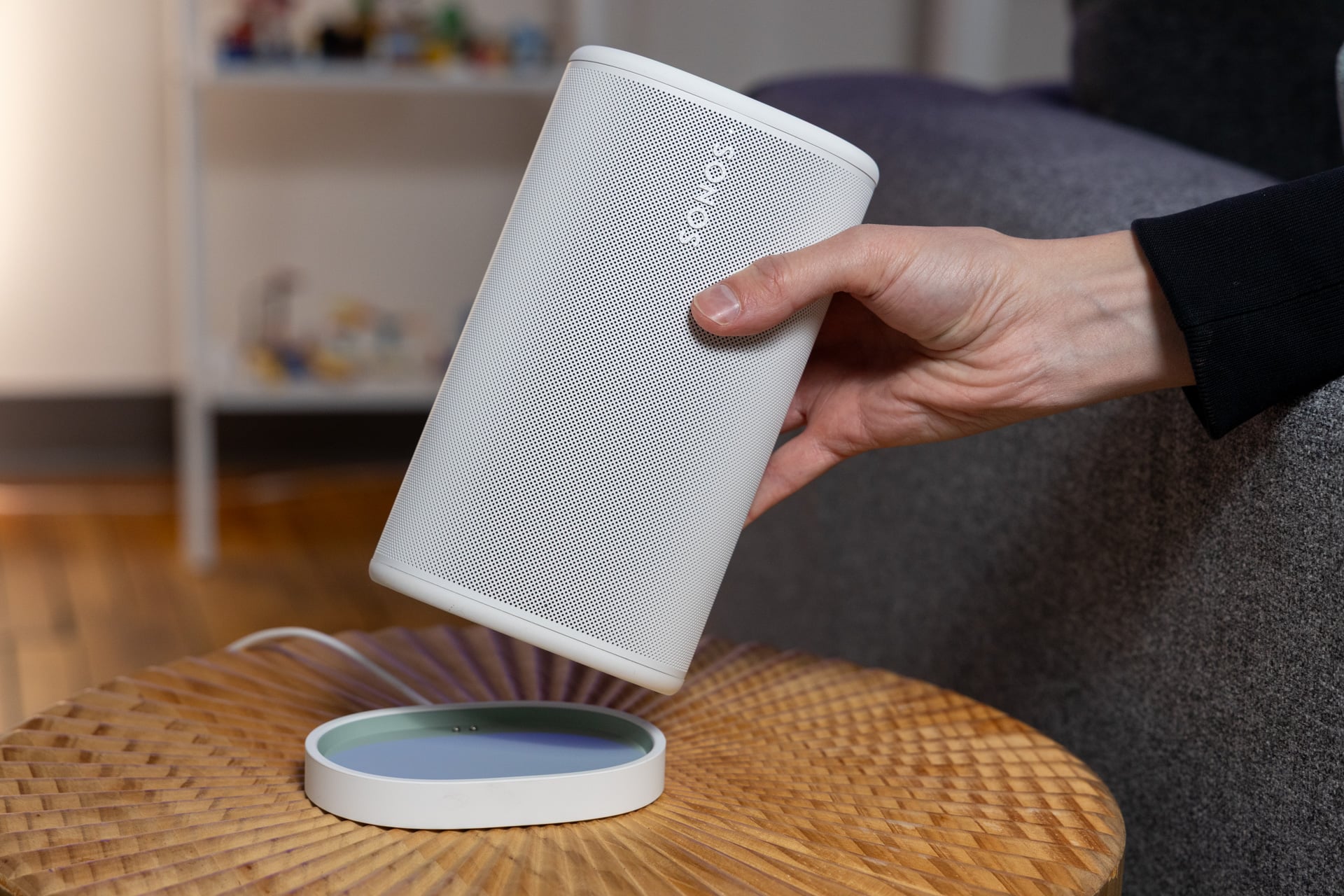
Sonos’ hardware comeback starts with the Play wireless speaker—and what a great one it is. Smaller and cheaper than the Move 2, the Play speaker is proof that Sonos still knows how to make great hardware. There are no gimmicks here, just an all-around great-sounding portable speaker with solid battery life (up to 24 hours) and easy-peasy pairing with other Sonos speakers for expanded sound. Diehard Sonos fans may still find things to nitpick in the Sonos app, but the company’s CEO, Tom Conrad, has repeatedly emphasized rebuilding the software experience until it’s exceptional again. So far so good.
Ikea Varmblixt LED smart lamp
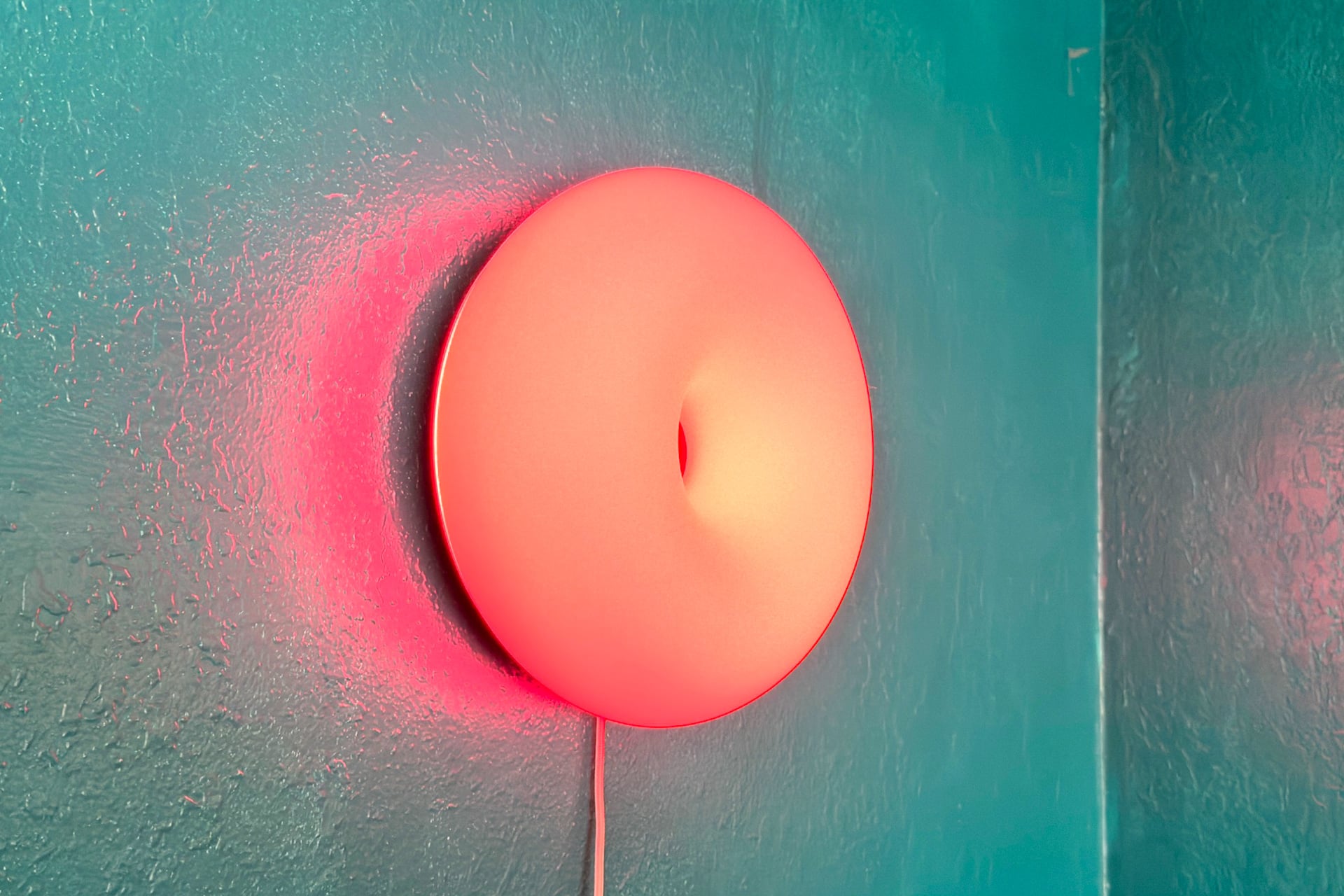
The viral Ikea Varmblixt donut lamp is returning in LED form with two things that make it more versatile: adjustable lighting colors and smart home compatibility (Matter and Thread). Compared to the original, caramel and glossy donut lamp, this new 12-inch version is white and matte. Our smart home reviewer, Wes Davis, found it a little dim, but that’s not necessarily a dealbreaker, especially if you’re planning to use it as an accent light. The best part? The new Varmblixt costs the same $100 as the non-smart version. How is that possible? Don’t ask questions!
Nothing Phone 4a Pro
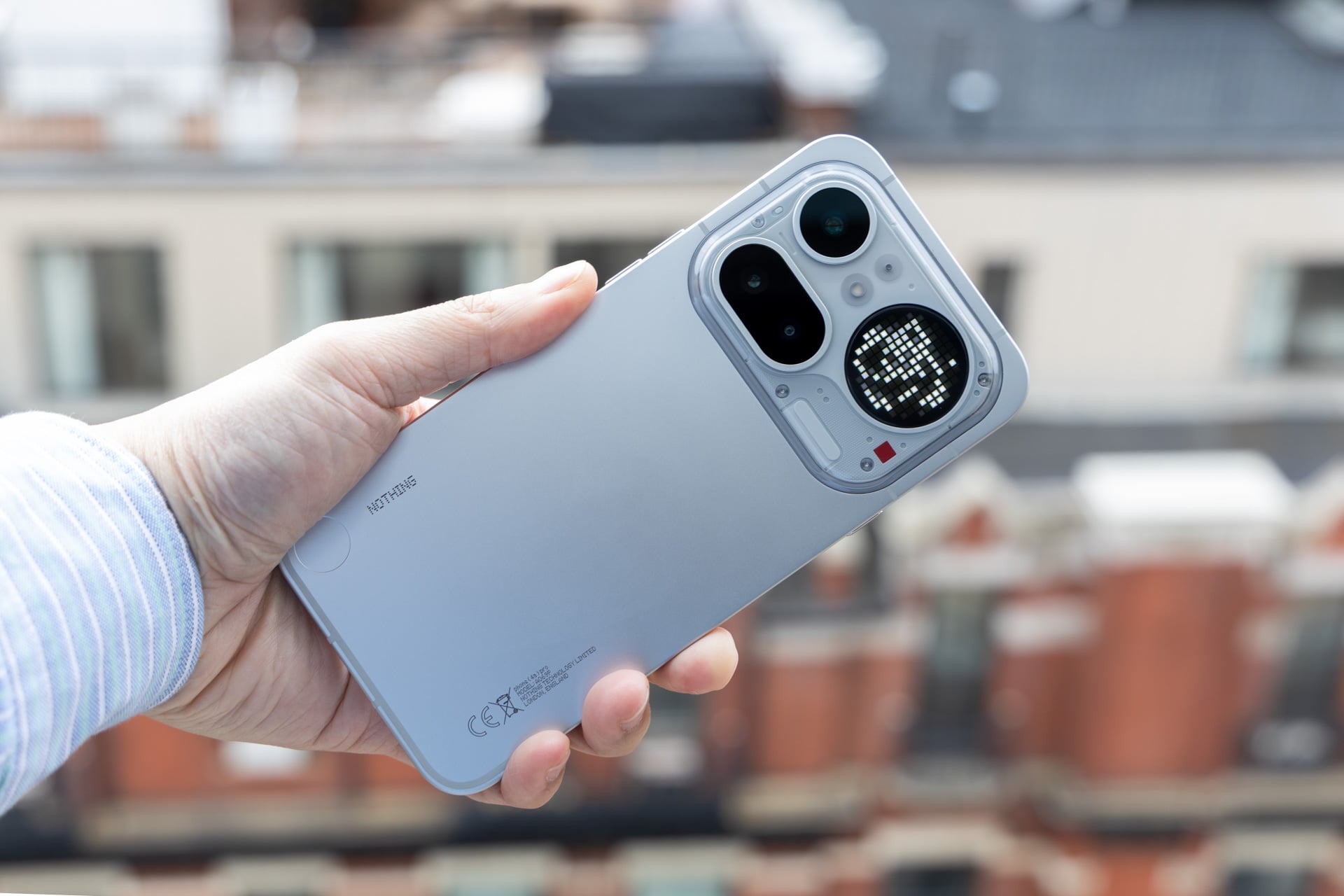
Nothing launched two midrange phones in March: the Phone 4a and the Phone 4a Pro. The former sticks to the tech startup’s signature transparent and industrial aesthetic and swaps out the Glyph Interface lights for a Glyph Bar, and the latter skates to a new metal body and transparent camera bump that fits right in with its premium Headphone 1 and Ear 3 wireless earbuds. Like the Phone 3, the Phone 4a Pro has a round Glyph Matrix screen, though it’s larger and has fewer square LEDs. Still, the premise of the Glyph Matrix is the same: to show custom notifications. It’s no flagship phone, but its striking design alone earns it a spot on this month’s best gadgets list.
See Nothing Phone (4a) Pro at Amazon
Asus ROG Cetra Open Wireless Gaming Earbuds

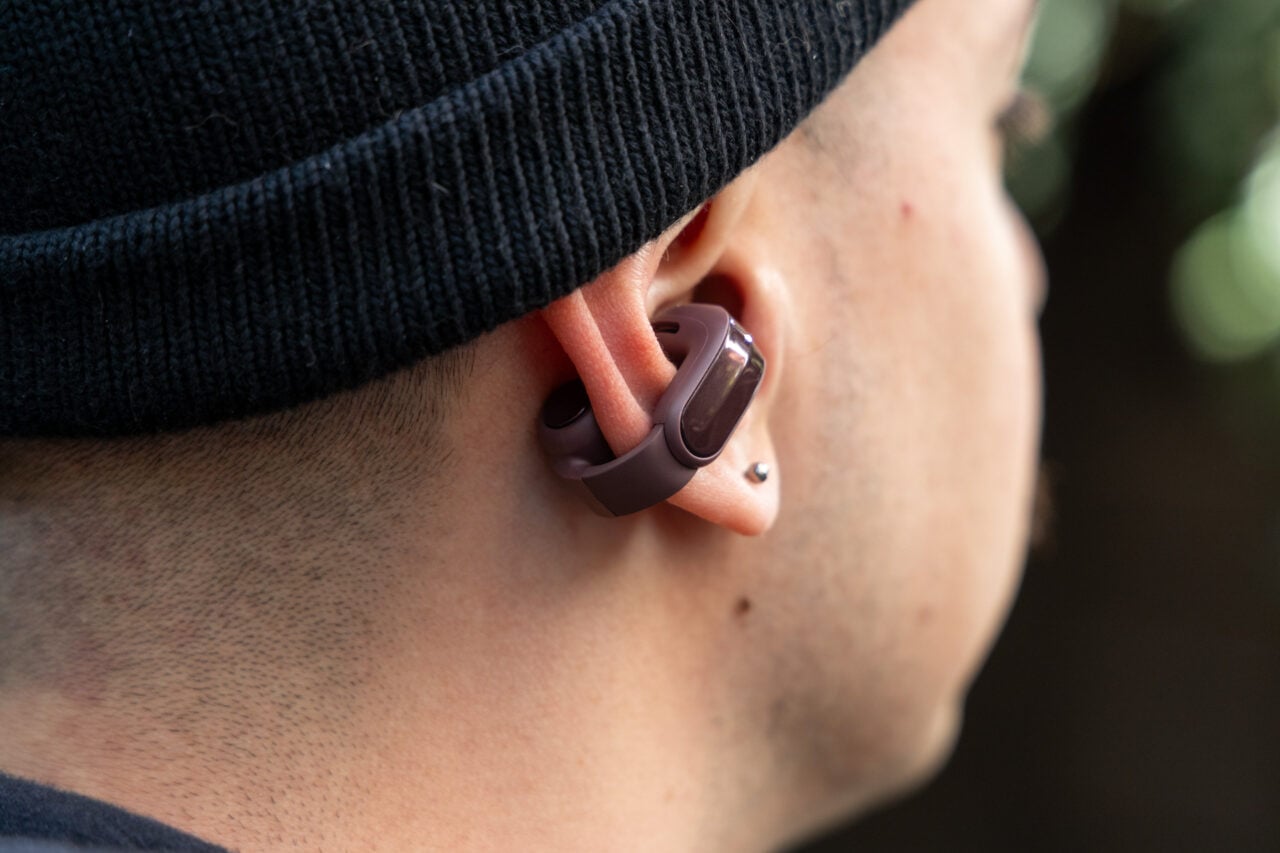
There’s a good reason why open-ear wireless earbuds are becoming more and more popular: they don’t clog up your ears and still allow you to hear your surroundings. Asus’ ROG Cetra Open Wireless Gaming Earbuds are the first of their kind designed specifically for gaming in mind. Do they pass the sniff test? According to Gizmodo’s own James Pero, they definitely do. They sound good, the mic quality is solid, and they come with a 2.4GHz USB-C dongle for low-latency audio transmission, which is something you want when you’re gaming. If a headset is too big and regular gaming wireless earbuds too stuffy, these open wireless earbuds might just be the right pair.
Nintendo Talking Flower

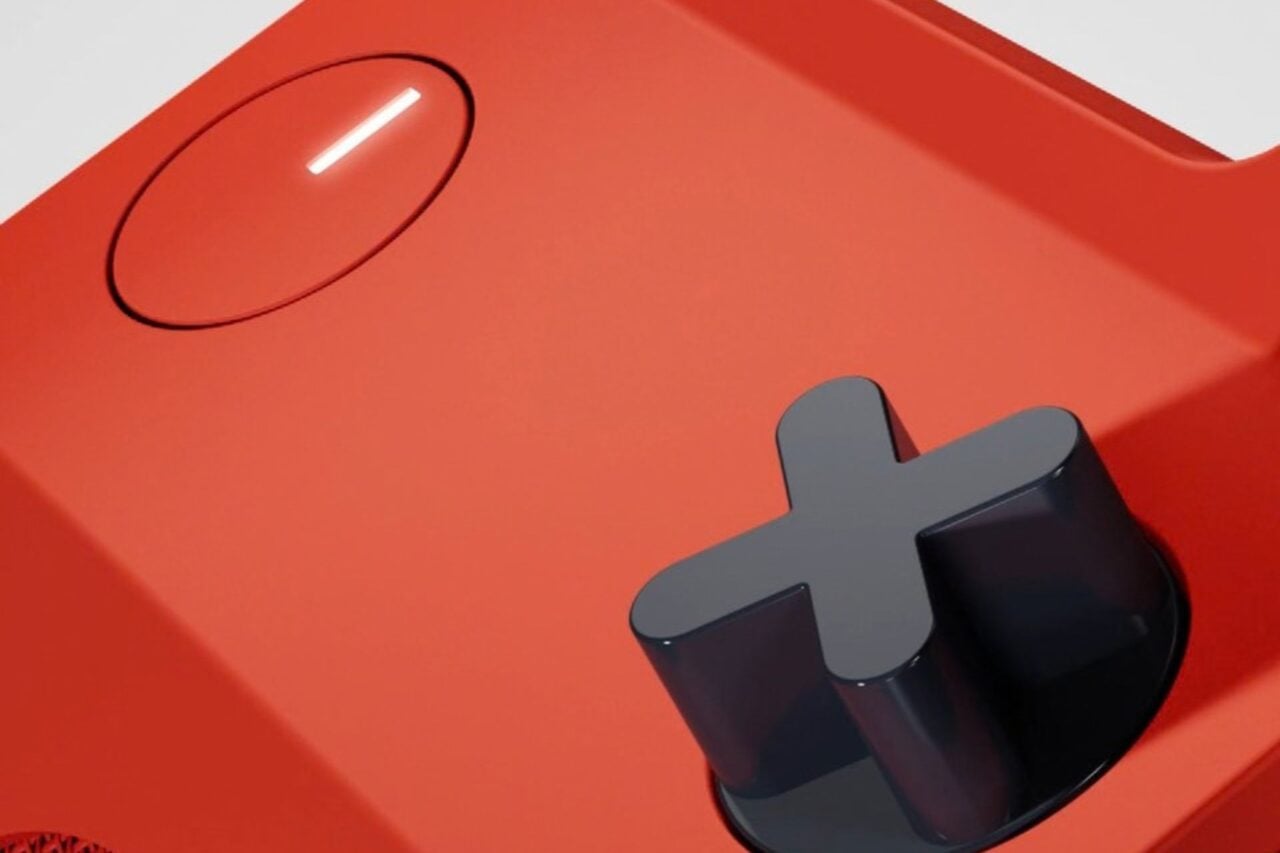
Nintendo’s Talking Flower is a very simple gadget. It shouts out the time on the hour, and every 30 minutes, it’ll randomly blurt out something from its preprogrammed library of phrases. It has no sensors or microphones and doesn’t connect to the internet, so it’s not actually listening to you, which is to say your privacy is safe. Can it be annoying AF? Absolutely! One of our staff reporters issues “quiet time” to stop it from yapping in the office too much. But come on, for $35, it’s a small joy that doesn’t try to sell you on anything but being cute and fun. Thank god, it doesn’t try to include any AI functionality.
AirPods Max 2
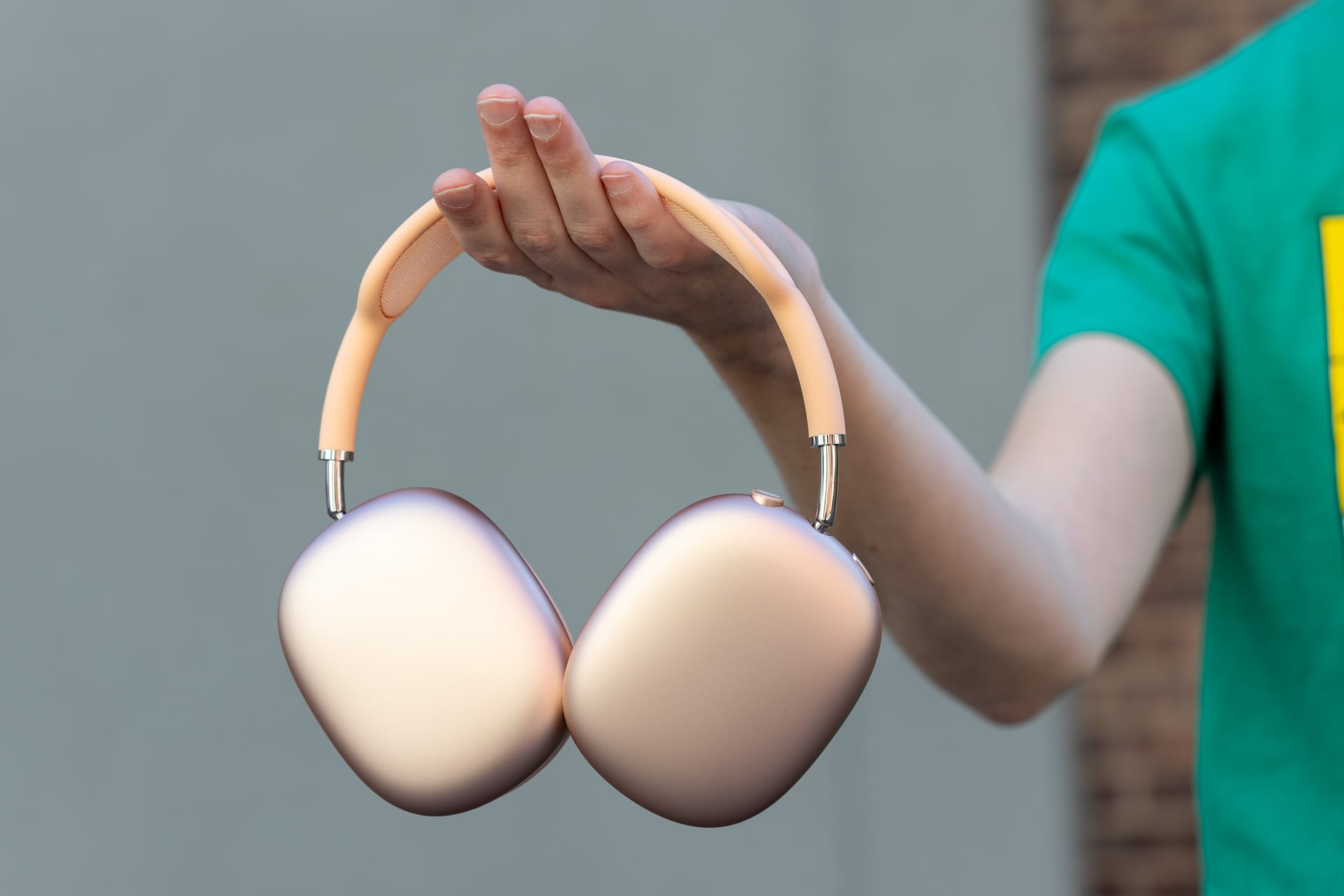
We didn’t have AirPods Max 2 on our March bingo card. Five years after the original pair of wireless over-ear headphones invaded the heads of millions of teenagers worldwide, Apple’s second-generation version offers just enough of an upgrade to make the cans worth considering. Apple tossed in the H2 chip first introduced on the AirPods Pro 2, and with it comes 1.5x better active noise cancellation and new features like Adaptive Audio, Conversation Awareness, and Live Translation (to name a few). The downside is that they look and feel exactly the same as the previous AirPods Max models, right down to the heavy weight and identical color options. Oh, and they still cost a whopping $550, which is on the pricier end of the wireless ANC headphones spectrum.
DJI Avata 360
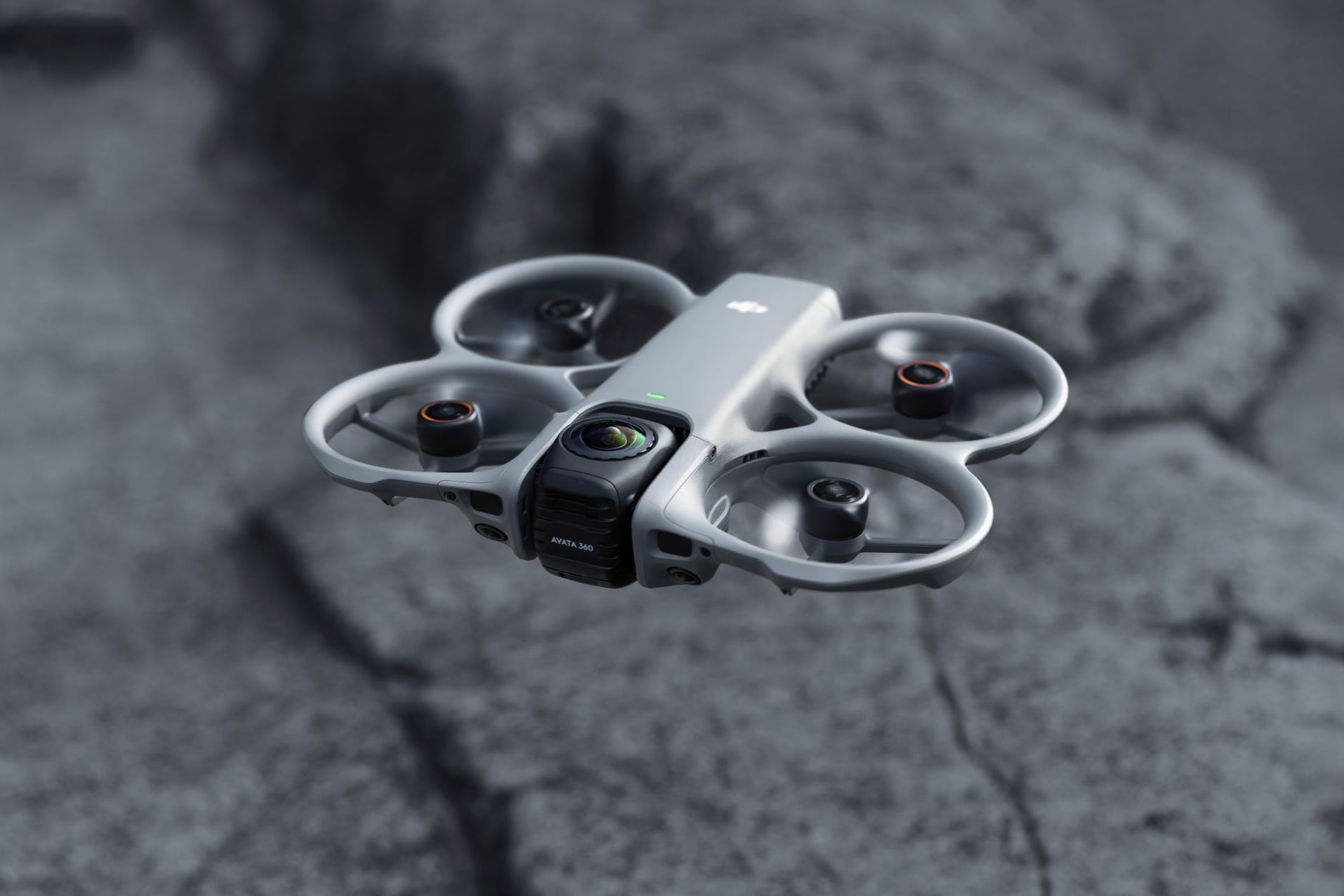
Compared to Insta360’s Antigravity A1 360 drone, DJI’s Avata 360 is far cheaper: about $530 versus $1,600. Both drones have twin fisheye lenses located on the top and bottom to capture 360, spherical videos while zooming around in the sky. The 360 drone can capture in 8K resolution at 60 fps. We haven’t tried DJI’s 360 drone for ourselves, but we want to. Whether we’ll get that chance is TBD since the U.S. government has effectively banned DJI products from being sold, at least directly from the company.
M5 Max MacBook Pros

On the opposite end of the MacBook Neo is the MacBook Pro with M5 Max chip. Available in 14- and 16-inch screen sizes, the designs are unchanged from the last four generations of MacBook Pros since their M1 Pro/M1 Max redesign. But their beauty lies within: these are the most powerful laptops that Apple has ever made, and fully specced out, they deliver GPU performance that rivals much bulkier gaming laptops with discrete Nvidia GPUs. If you’re knee-deep in the world of AI and agentic computing, the M5 Max MacBook Pros have all the oomph you’ll need and then some. Just prepare to pay through the nose to tick off all the configuration boxes.
See M5 Max MacBook Pro at Amazon
Level Lock Pro
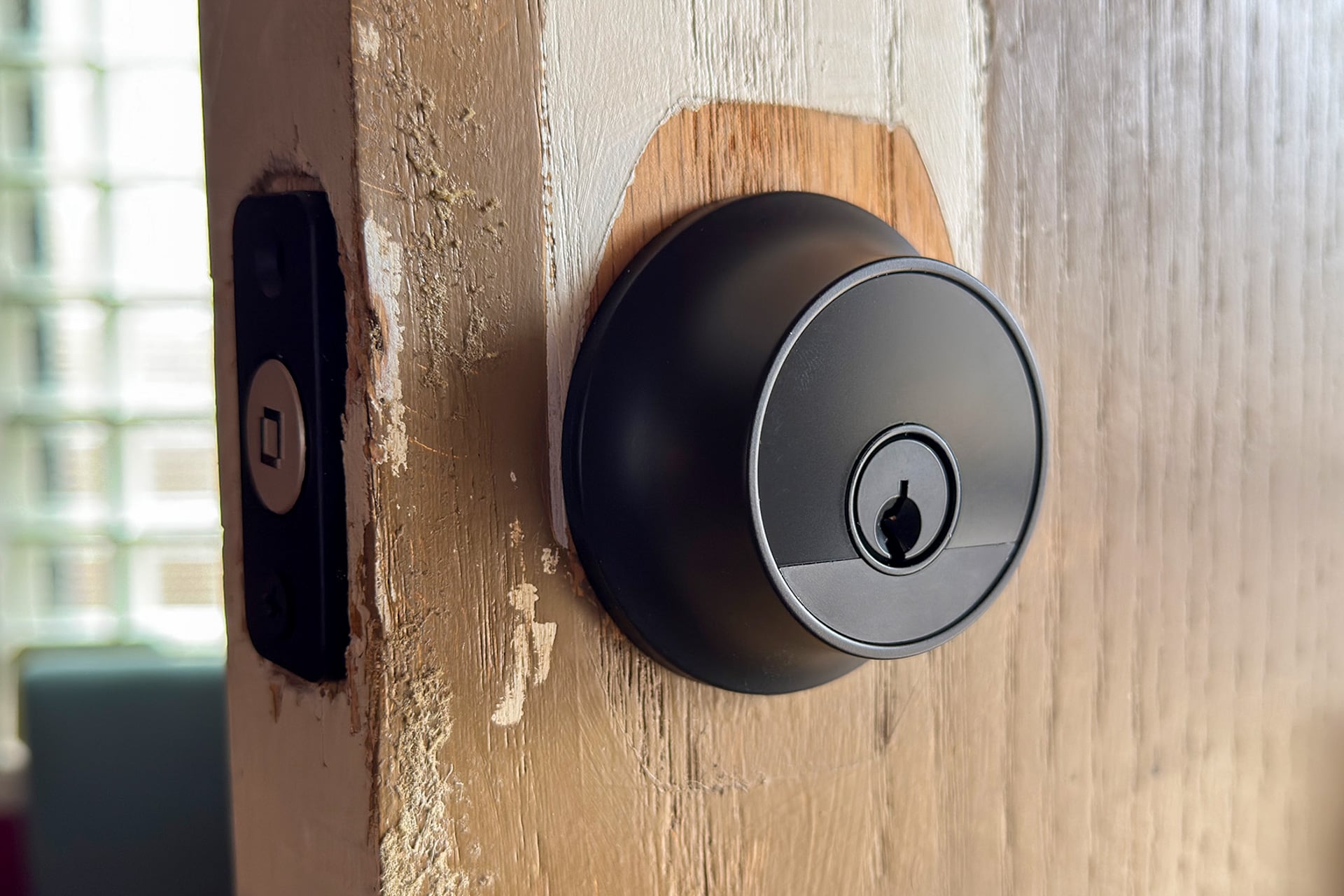
Smart locks are a dime a dozen. If all you want is one that doesn’t look “smart” and looks premium and works well, the Level Lock Pro might be what you’re looking for. In his review, Wes found the Lock Pro was responsive, works well with Apple Home Key, and was super easy to install. For more bells and whistles, look elsewhere. But for simplicity, this one does the job.
Asus ROG Swift OLED PG32UCDM Gen 3
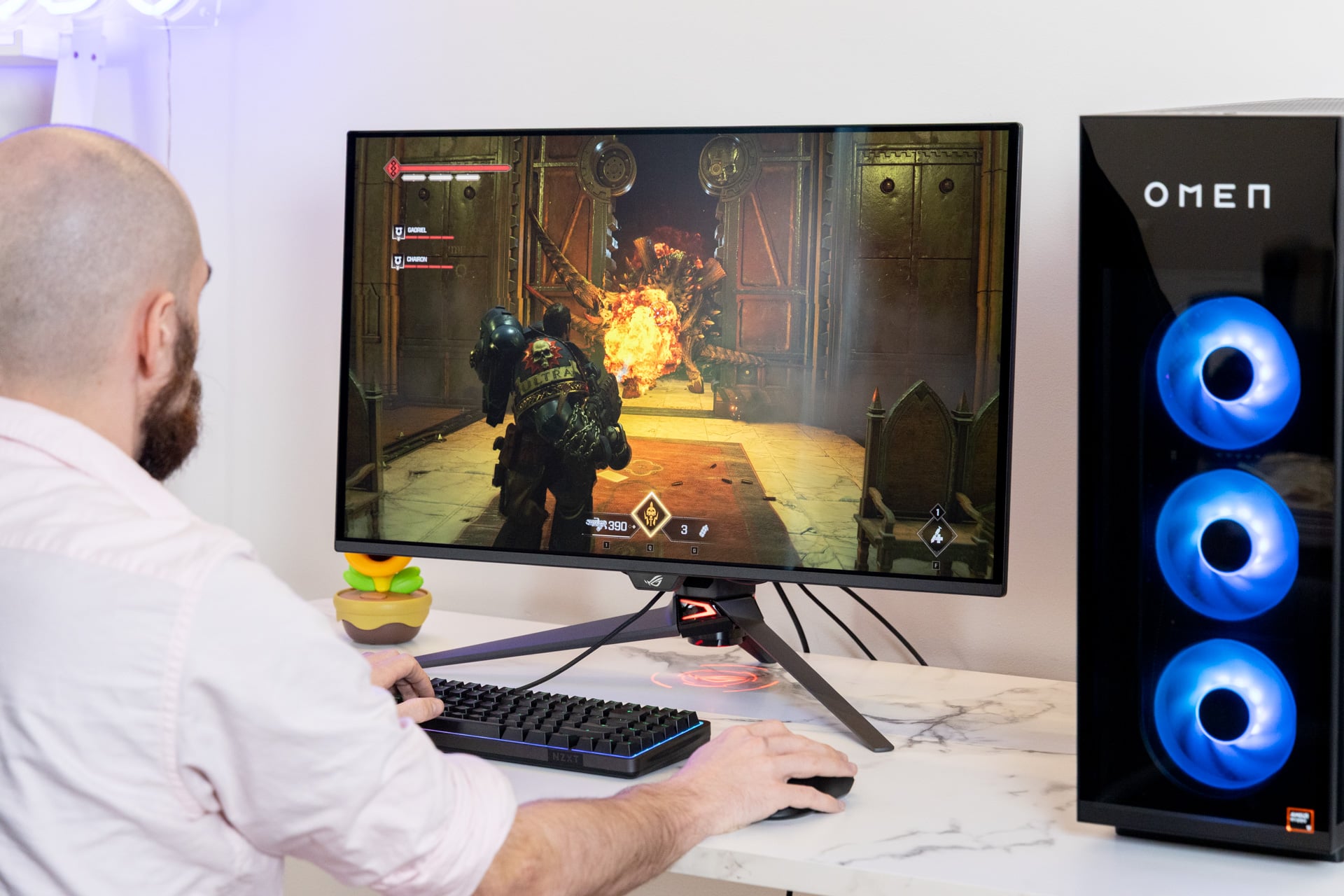
The Asus ROG Swift OLED PG32UCDM Gen 3 (oof) is a gigantic, gamer-y gaming monitor geared towards gamers. That’s all I got. In all seriousness, this beefy 32-inch monitor promises superior black levels compared to regular OLED monitors thanks to its “BlackShield” screen film. Our reporter Kyle Barr found its anti-reflective film was effective and the picture quality is tops, but you gotta accept the gamer aesthetic because this thing is heavy on the gamer glow, as evidenced by the projected ROG logo.
See ASUS ROG Swift 32” Monitor at Amazon
iPhone 17e

Unlike Google’s Pixel 10a, which felt completely phoned in (no pun intended) for its egregious recycling of last year’s Pixel 9a parts, the iPhone 17e addresses nearly every complaint about the iPhone 16e. For the same $600, Apple doubled the base storage to 256GB, threw in an A19 chip that’s nearly as powerful as the one in the iPhone 17, sped up 5G with the C1X chip, and increased scratch resistance to the screen with Ceramic Shield 2. The biggest addition is, of course, MagSafe support—for charging and accessories. Everyone complained about the lack of MagSafe on the iPhone 16e and it’s now crickets.