Starship’s protective tiles get shredded
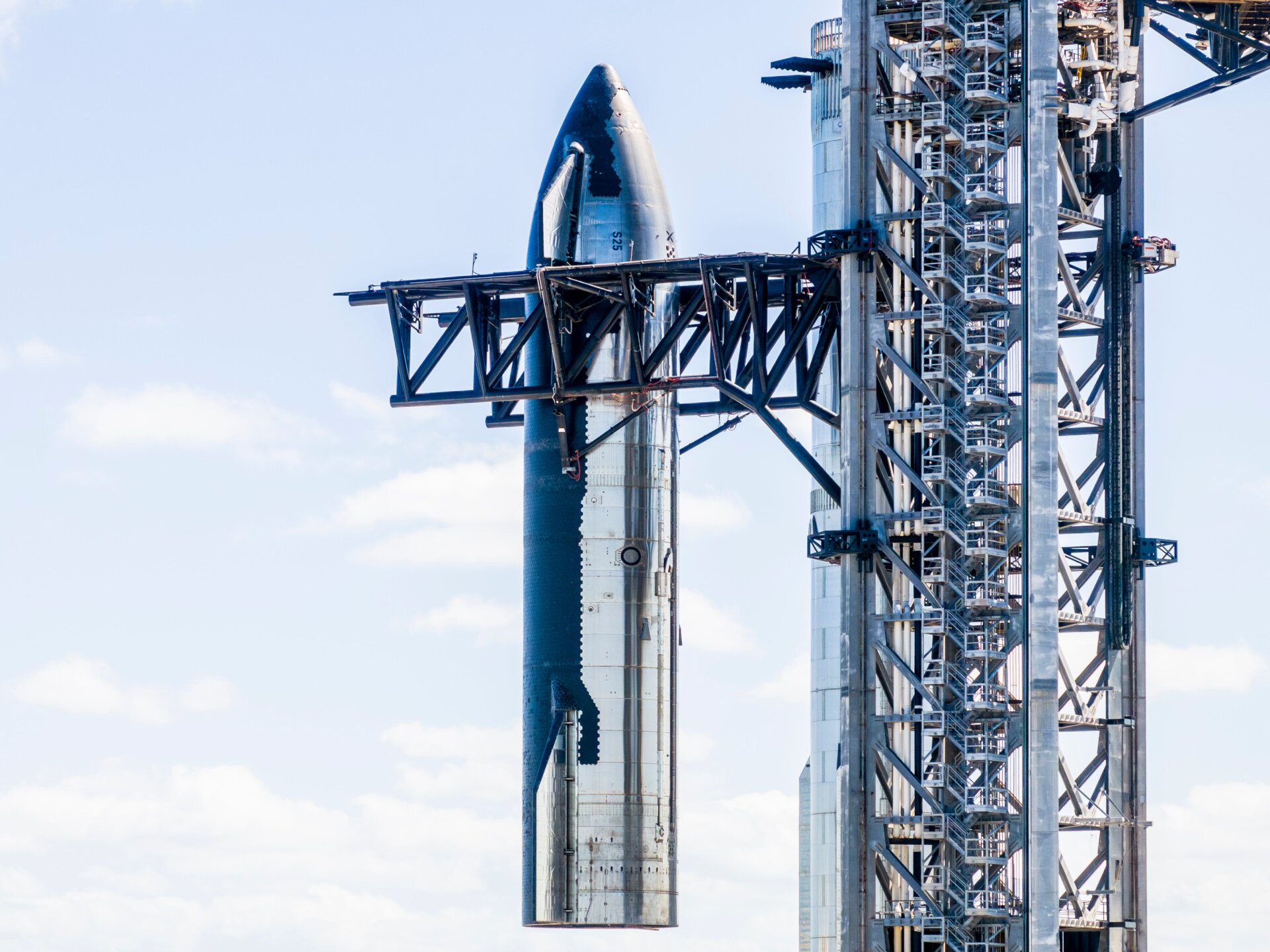
A big unknown is how SpaceX’s heat shield tiles will work during atmospheric reentry. According to Space.com, Starship will reach a velocity of 17,500 miles per hour (28,160 km/hr) and fly no higher than 150 miles (250 km) above the surface. Starship’s Thermal Protection System (TPS) consists of approximately 18,000 hexagonal ceramic tiles covering one side of the spacecraft. These tiles are designed to endure extreme temperatures exceeding 2,500 degrees Fahrenheit.
Testing Starship heatshield hex tiles pic.twitter.com/PycE9VthxQ
— Elon Musk (@elonmusk) March 17, 2019
During its reentry, Starship will employ the “belly flop” maneuver, positioning itself horizontally to maximize atmospheric drag and effectively slow down, with the spacecraft’s heat shield tiles facing forward to absorb and withstand the extreme reentry heat. This orientation, combined with the controlled adjustment of its aero surfaces, or flaps, should allow for a precise and safe descent before it transitions back to a vertical position for landing. SpaceX has conducted lab tests on the tiles, but this flight, if successful, will serve as their true test in real-world conditions.