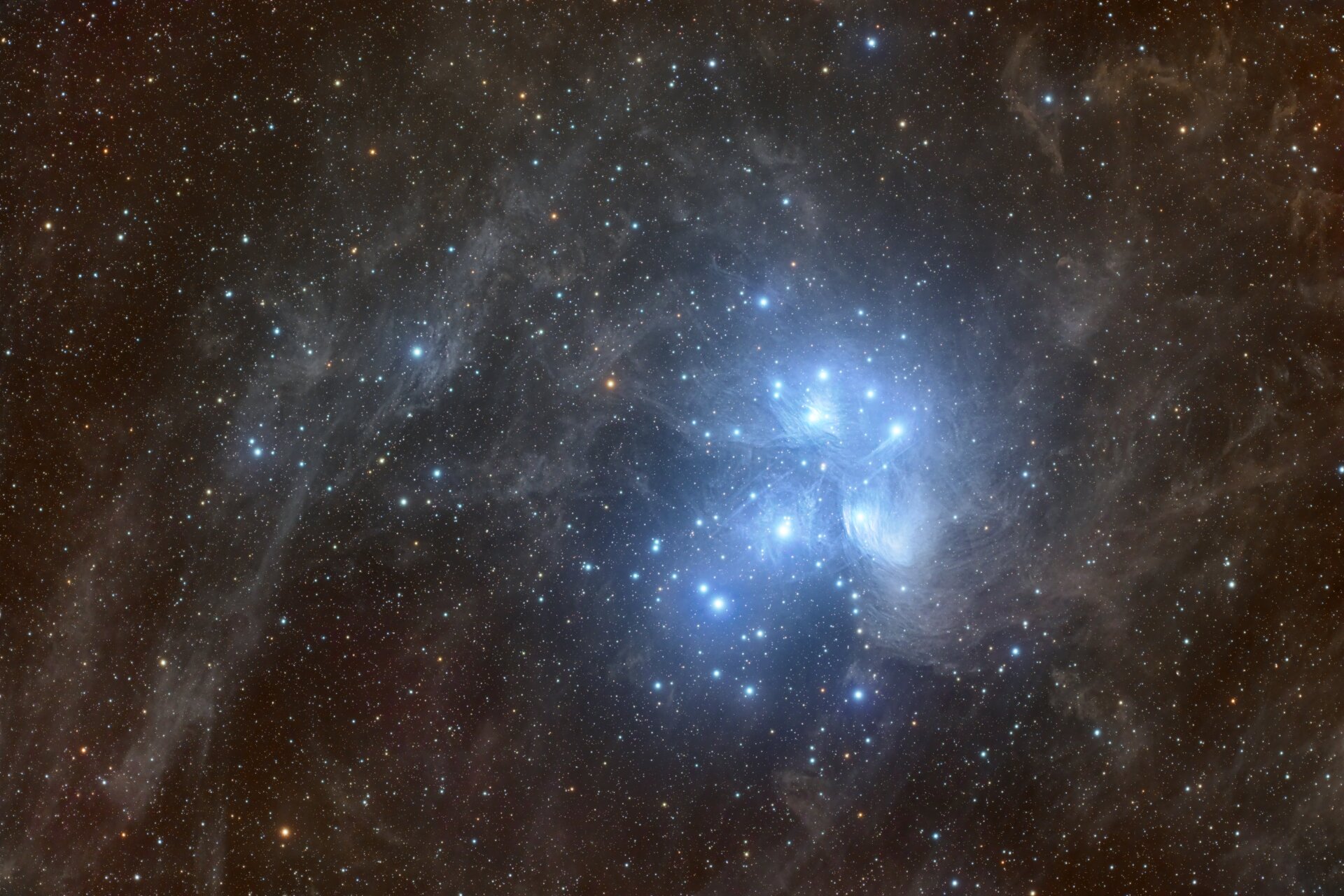
Only the brightest stars in the Pleiades cluster are visible to the naked eye. Thankfully this image was taken using long exposures through a telescope, so plenty of the 1,000-odd stars in the cluster are visible.
Thermoelectric generators probably won’t eliminate the charger for your Apple Watch, but for smaller, screenless wearables, the heat constantly escaping from your skin could fundamentally change how we power our devices.
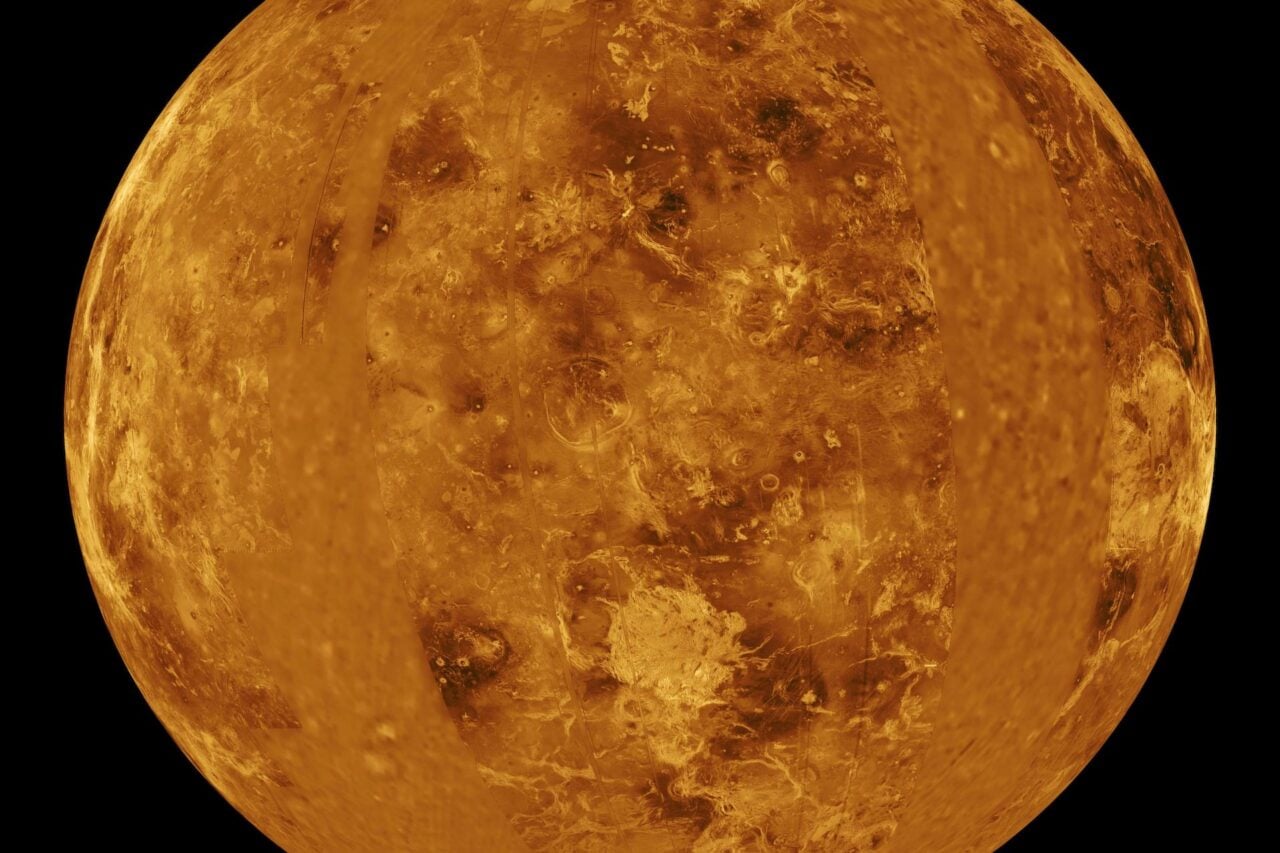
The planet has definitely earned the title of Earth's evil twin.
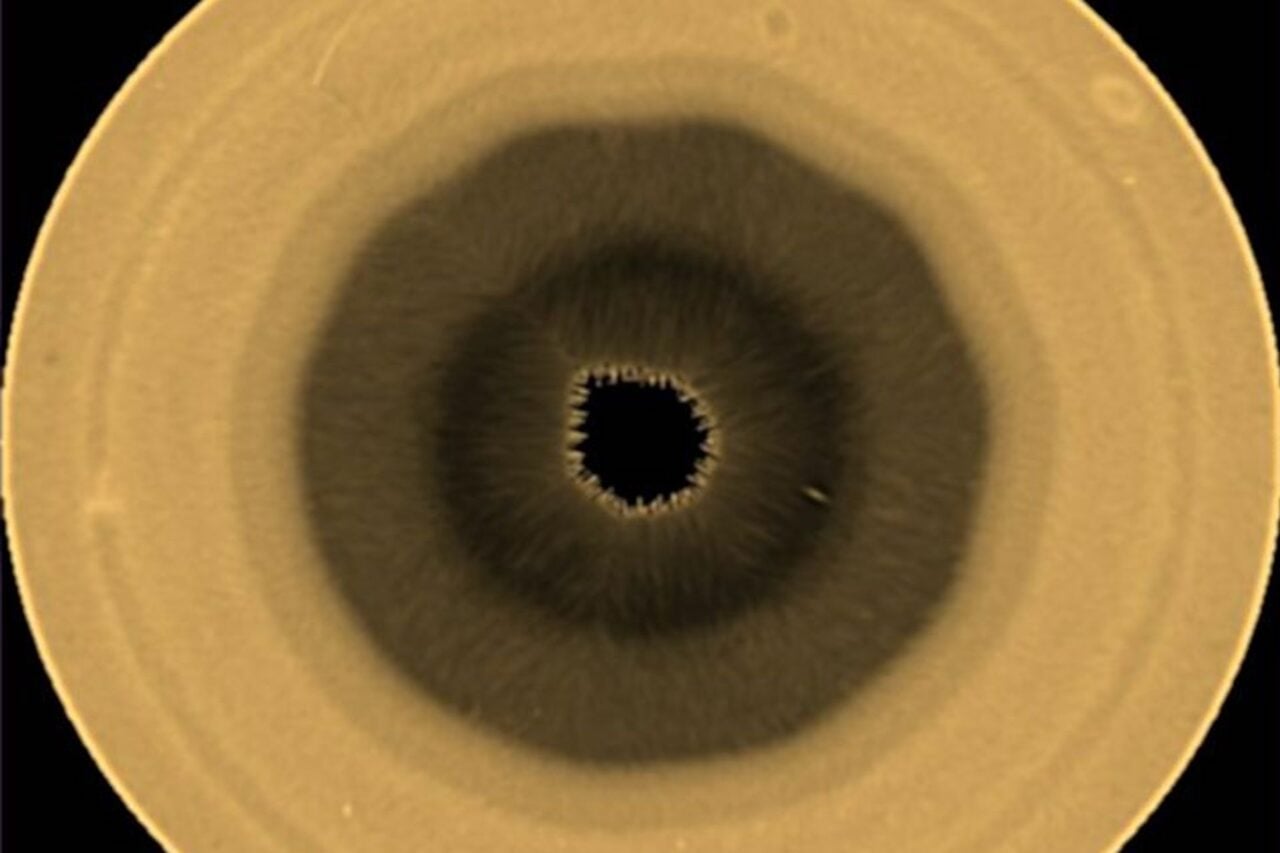
Recent images by Hubble revealed a decagonal-shaped wave around Saturn's south pole
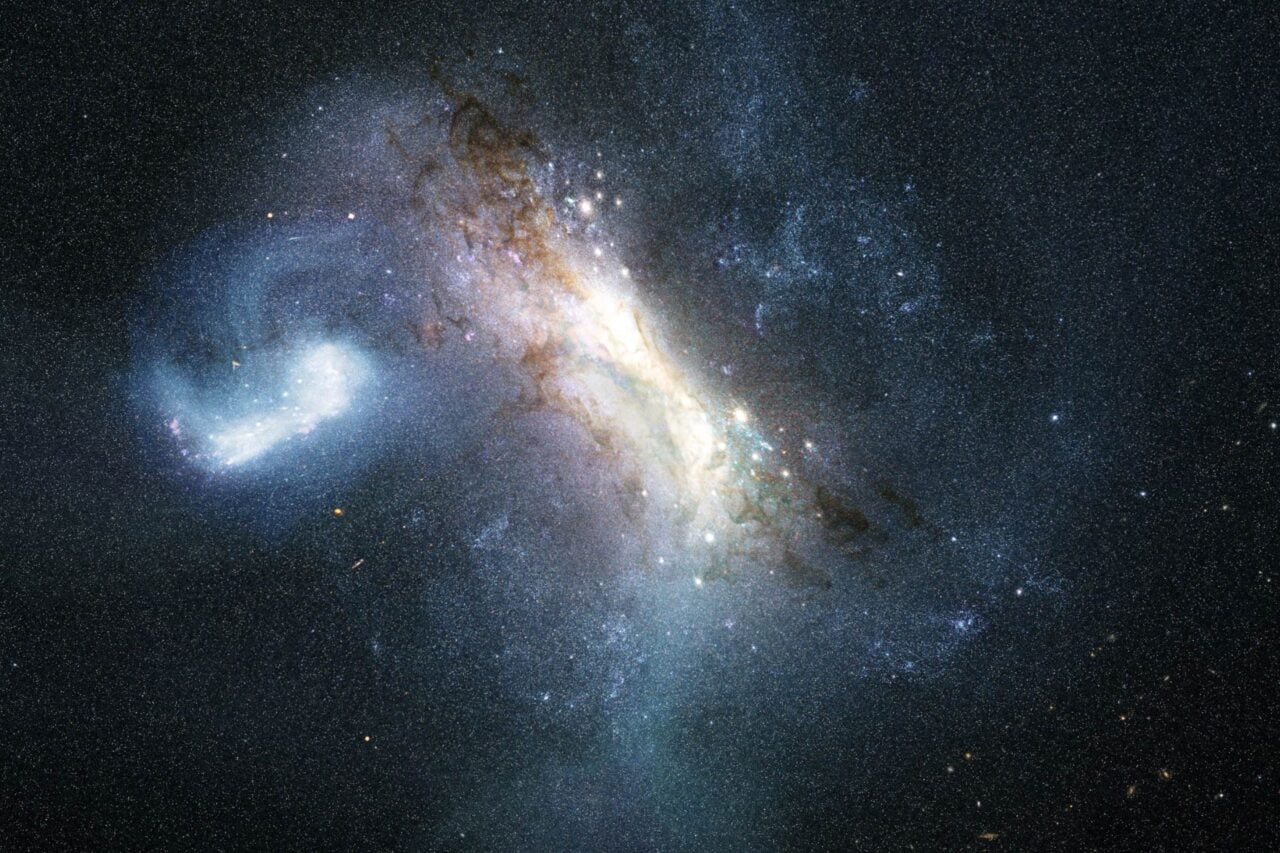
NASA's Hubble Space Telescope found definitive evidence of a dwarf galaxy merging with the Milky Way just 2 billion years after the Big Bang.
The 1.27 billion-year-old rock bridges a huge gap in the Red Planet's history.
The cosmic accelerator can push protons beyond one quadrillion electric volts.