Players turn to ‘Q Collars’ for brain safety, or at least the illusion of it
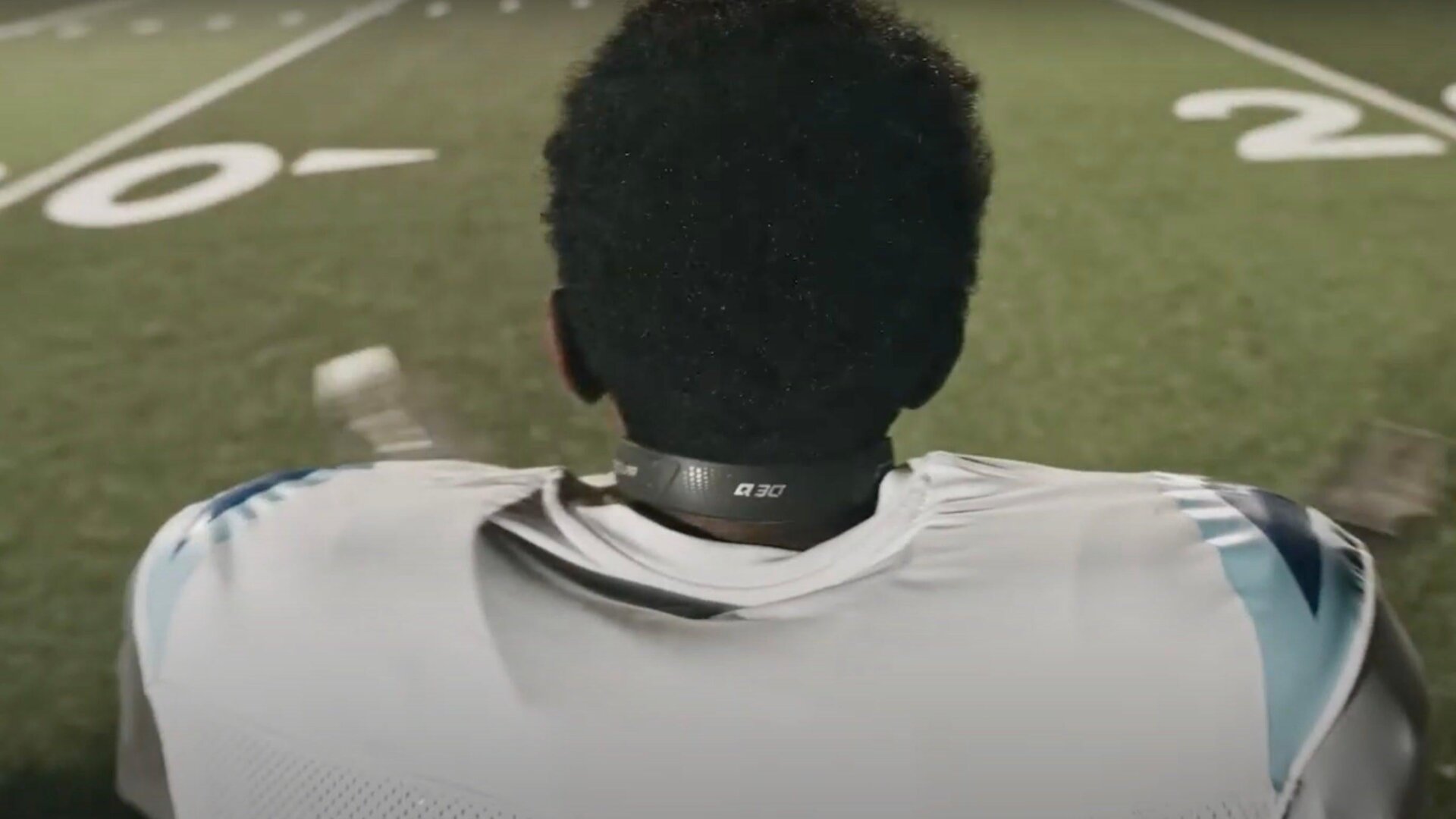
In 2023, it’s almost impossible to talk about football without also talking about head injuries. While there’s never a truly “safe” way for an elite athlete to charge headfirst into another human’s body, some players on the field during this year’s Super Bowl will wear a $199 collar looking device some researchers believe could reduce their risk of traumatic brain injury by using a woodpecker’s anatomy for inspiration.
Called a “Q Collar,” the recently popularized device reportedly wraps around an athlete’s neck and constricts blood flow going to their head. Q30 Innovations, the company behind the collars, claims the subtle pressure applied by the collar, “increases blood volume in the brain’s venous structures, reducing the harmful internal movement that causes brain injury.” The Q Collar took off in popularity this last season, with dozens of NFL players reportedly using them. That upsurge comes as concussions and brain injury in the league get worse and worse. The NFL recently acknowledged concussions increased 18% in the past 2022 regular season.
Soccer season loading…
It’s time to Collar Up.#QCollar #PlaySmartPlaySafe #CollarUp pic.twitter.com/hMoclZ4mTG
— Q-Collar (@QCollarOfficial) February 8, 2023
Increased popularity aside, it’s still unclear whether Q Collars actually work as advertised, or if they just make athletes feel like they are safer. A recent investigation from The New York Times cast doubt on the collars’ effectiveness.
“They’re finding stuff, but it feels like noise,” West Virginia University Rockefeller Neuroscience Institute program director Matt Tenan said when asked about Q Collar studies. Martha Shenton, a professor of psychiatry and radiology at Harvard’s Brigham and Women’s Hospital, meanwhile, told the Times, “None of it makes sense.”