Two duck-billed dinosaur carcasses were preserved in a thin layer of clay for 66 million years. Now, they’ve helped researchers recreate their living appearance.
Researchers discovered two previously unknown species of parasitic fungi inside ancient amber fossils.
The footprint was likely left behind by a 19-foot-long spiky dinosaur with a sledgehammer-like tail club.
Researchers suggest that ground-based mammals fared better than their arboreal relatives during the end-Cretaceous extinction thanks to their lifestyle.
Paleontologists in Denmark found a once-gloopy, now-hardened mess that they believe was spat up by a Cretaceous-era fish.
Researchers are calling for CT scans to confirm the authenticity of a Cretaceous period fossil that led to the identification of a new mosasaur species.
The end of the Cretaceous period saw disastrous geological and astronomical events, but researchers say that one in particular is to blame for the mass extinction.
The Apple TV+ show explores the Cretaceous world through the lens of a nature documentary.
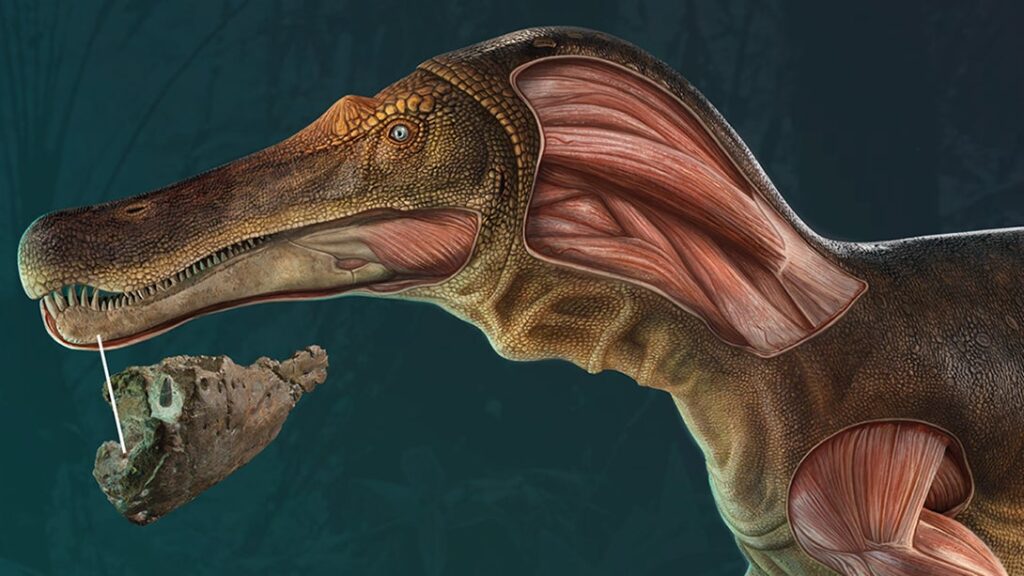
Paleontologists dug up fossils of the giant carnivore in Argentina. They aren't sure what purpose those tiny arms served.
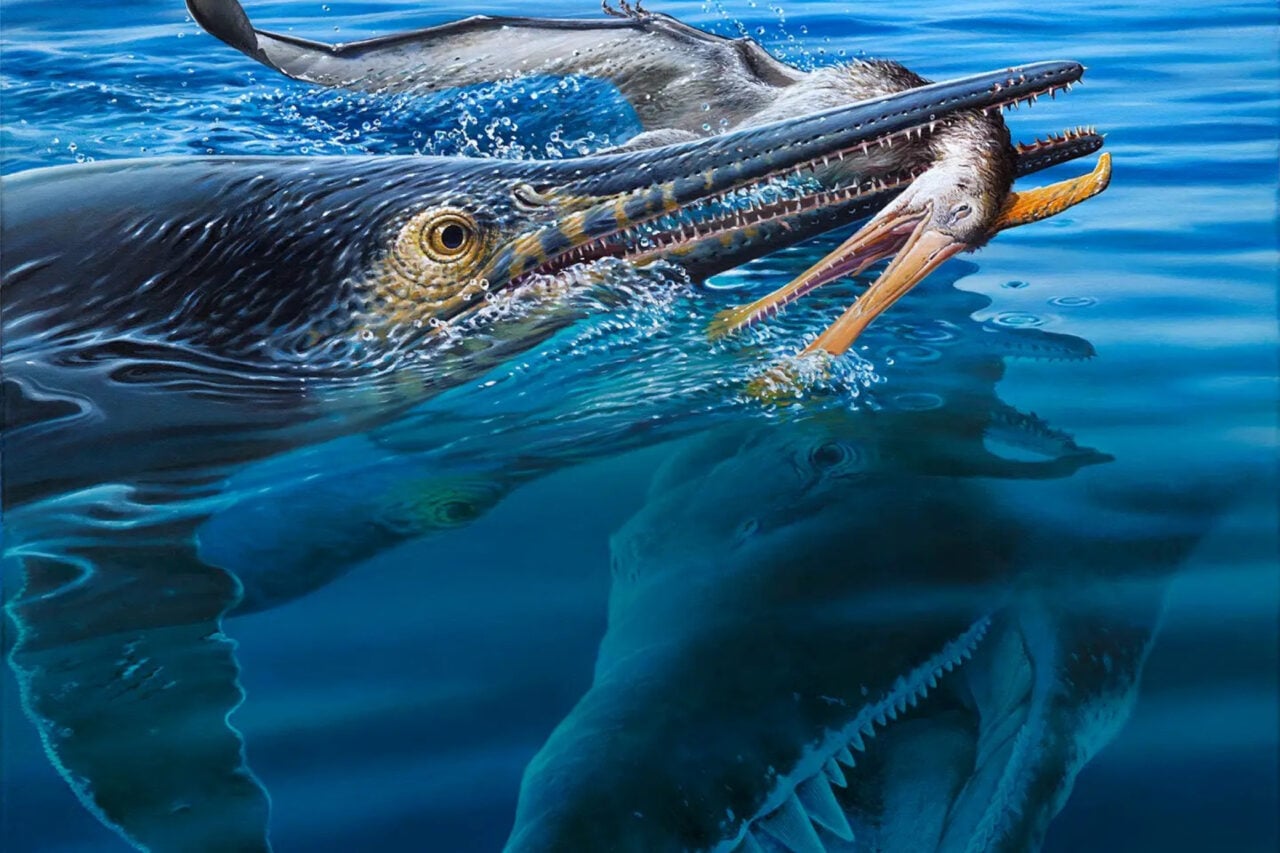
115-million-year-old melanin teaches us more about these long-gone flying reptiles.
A gaping wound on the dino’s frill appears to have been inflicted by another Triceratops , in an attack that came from behind.
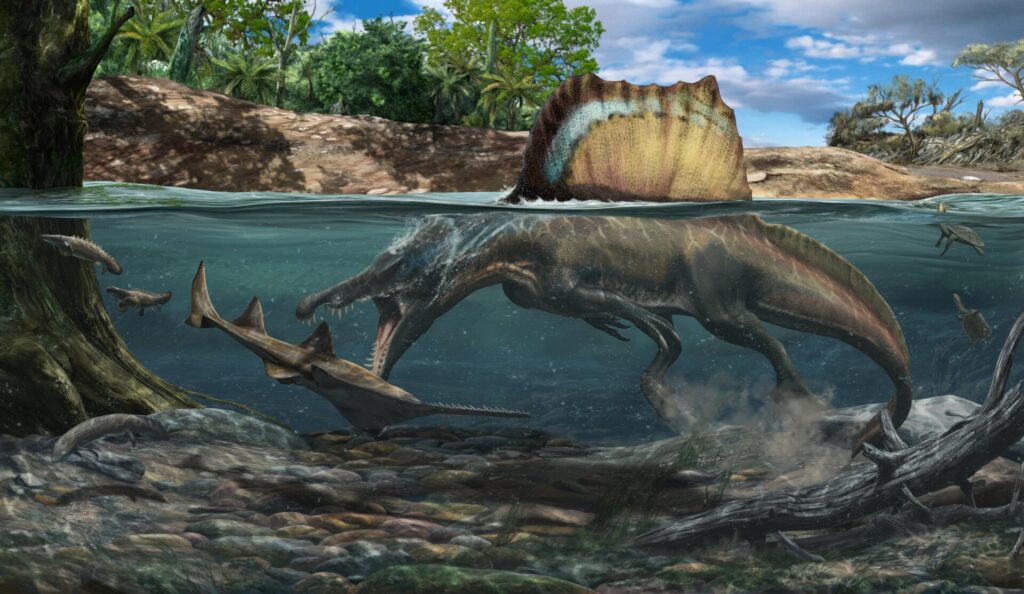
New research shows that not all non-avian dinosaurs were restricted to land.
Western Europe was a spinosaur "hotspot" during the Cretaceous Period, fossil evidence suggests.
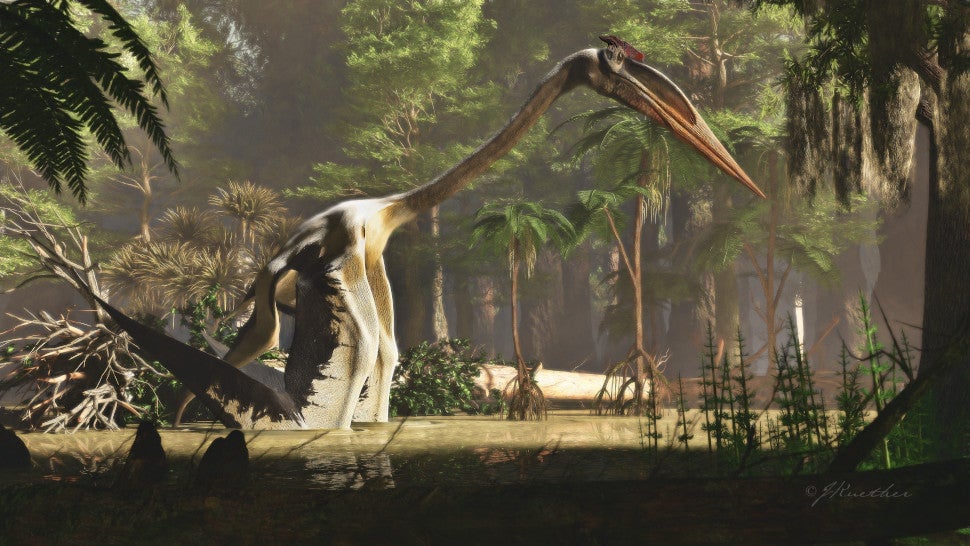
An analysis of Quetzalcoatlus fossils has revealed more about these incredible extinct creatures.
Fossilized hadrosaurs, crustaceans, fishes, poop, pollen, and more have been found in a quarry.
The discovery suggests dinosaurs had surprisingly small geographic ranges. The question now is: why?
We do it with our arms, so what’s so surprising about dinosaurs putting some pep in their step?
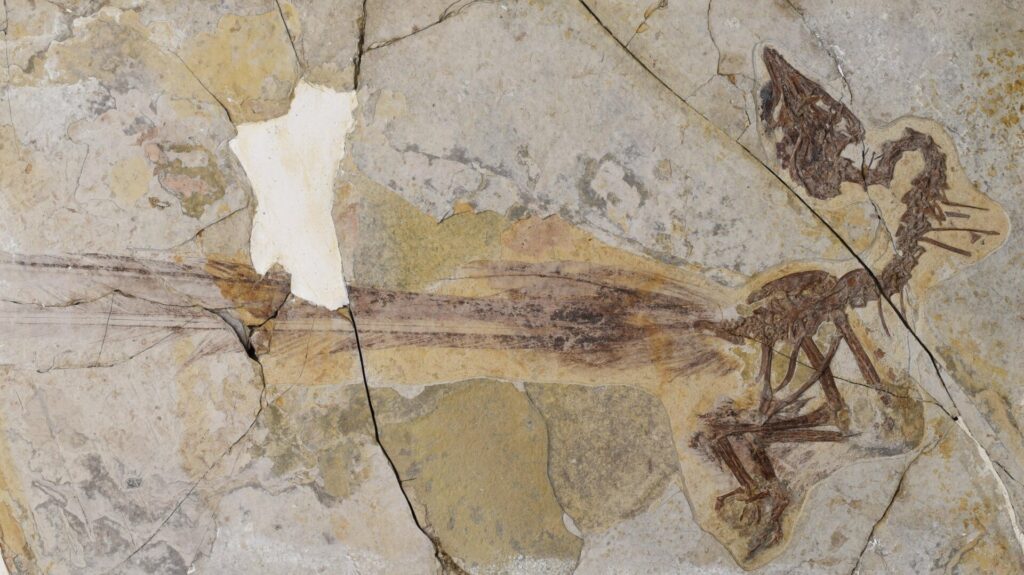
Like a peacock with its dazzling plumage, this Cretaceous bird had fancy tail feathers that likely served to attract mates.
Smugglers had cut the fossil into six pieces, but paleontologists have been able to reconstruct it.
Paleontologists examined the braincases of two daspletosaurs and were surprised to find significant differences between them.