Google and Amazon make us simp for digital assistants
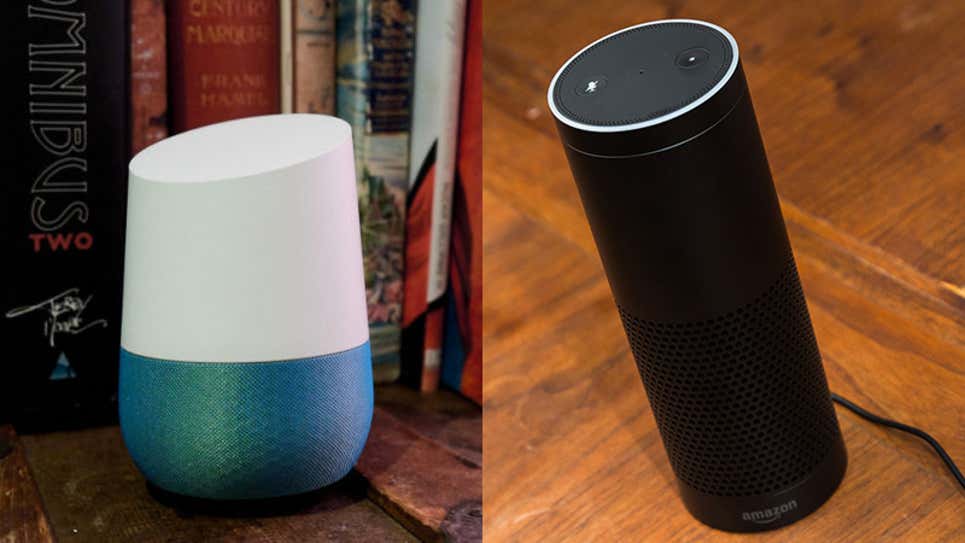
I walk into my house every day and feel like the leader of my domain because everything I do requires shouting a command. Whether turning on the lights, adjusting the thermostat, or ensuring that the people downstairs can hear my requests from upstairs, I am constantly pinging the Google Assistant and Amazon’s Alexa to make something happen in my smart home.
Google and Amazon’s respective digital assistants have come a long way since they stormed onto the scene. The Google Assistant started as a simple weather checker and command-taker on Android, while Amazon’s Alexa resulted from an acquisition. They’ve since become platforms that have introduced helpful hands-free features, which we can’t bring up without bringing up digital surveillance concerns.
There is an eeriness to living with a virtual assistant that’s always listening for your command. I was one of the first users to adopt the Google Home with the Assistant and get it programmed. In the past six years, I can count a handful of times off the top of my head where it’s responded to something I said when I hadn’t even queried it. The maintenance for these assistants can be a headache, too. When something’s not working right or integration is improperly set up, it can bring down the mood enough that you start pondering why you gave up your peace for the convenience of hands-free lights.
These digital assistants aren’t going anywhere. Right now, the smart home industry is gearing up for more parity between platforms, hopefully removing some of the headaches that we’ve invited bringing these things into our homes. But it’s a wonder how much more uncanny the assistants themselves will become in the coming years—especially now that Amazon is entertaining the idea of piping through your dead relative’s voice.