Siberia Was on Fire, Too
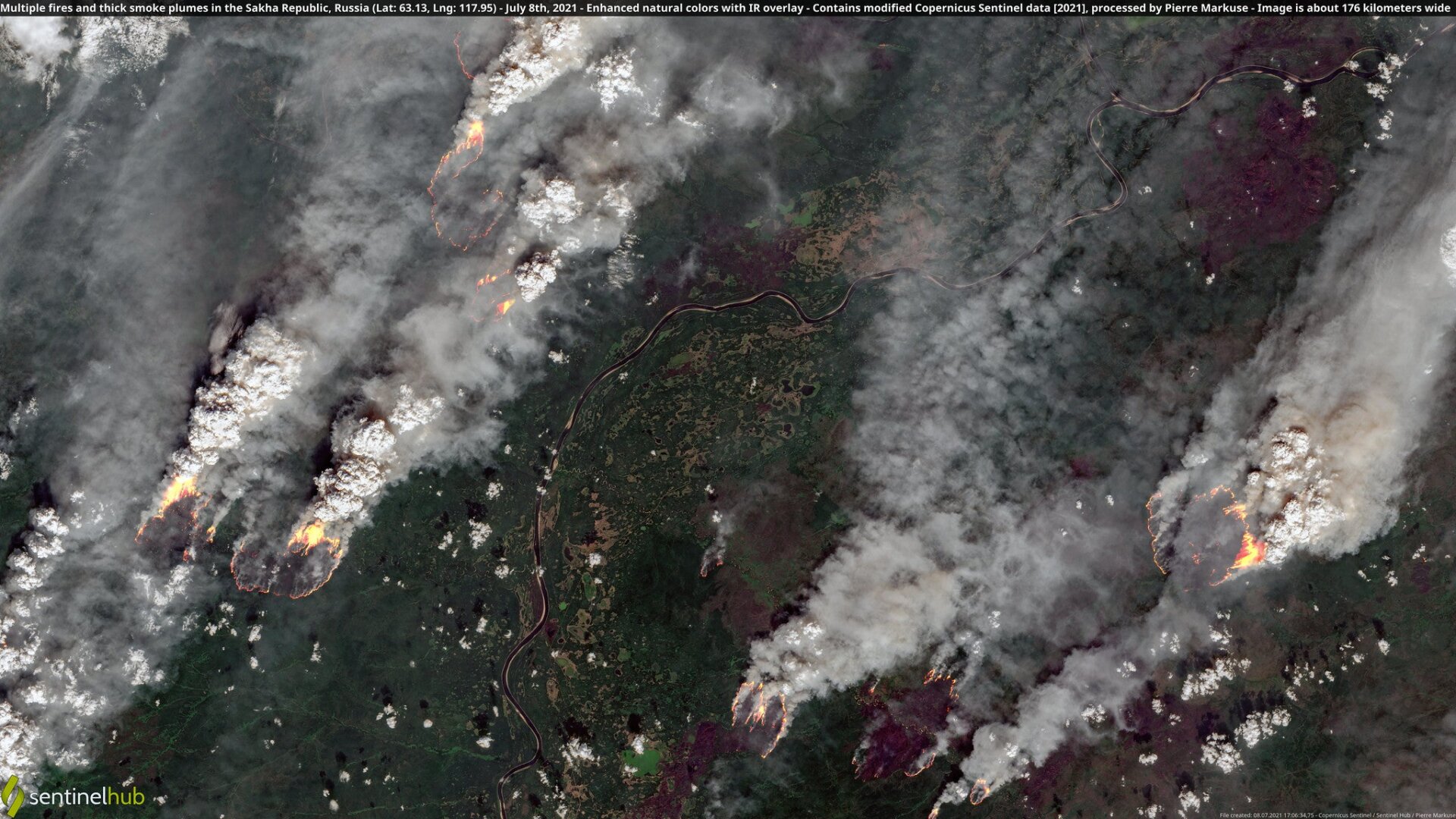
Siberia was another fire hotspot. Flames began to pop up on satellite images in May, with smoke filling the valleys even as mountains remained covered in snow and lakes were covered in ice. The situation only grew more dire, with fires exploding over the summer. Ground temperatures in the region also took a page out of the Pacific Northwest playbook, showing how heat helped fuel the disaster.
Though the direct human toll from these fires is lower than the West’s owing to Siberia’s relatively sparse population, the damage to the climate is still astronomical. The fires pumped a record amount of carbon dioxide into the atmosphere, besting a high that was set just last year. Counted with the numerous other regions of the world that burned this summer, wildfire emissions were equal to India’s annual total. That’s why it’s never been more urgent to figure out how to keep temperatures from rising even further, locking in a dangerous feedback loop.