The U.S. government is still debating how to handle violent extremism
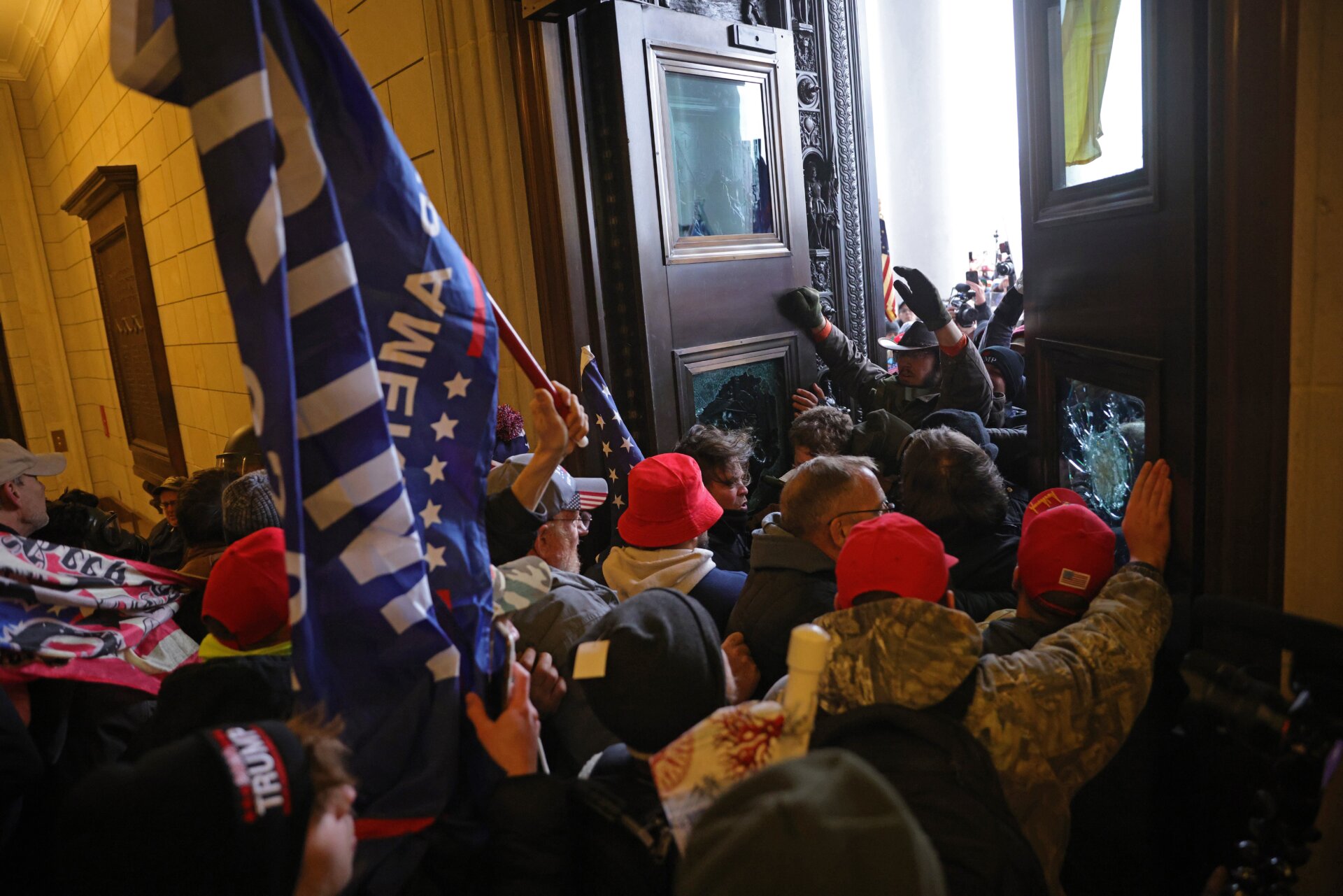
In the wake of the Jan. 6 attack, Joe Biden announced a new national plan to combat domestic terrorism. While the administration took efforts to distinguish its strategy from abuses of power in the War on Terror started by George W. Bush, groups like the ACLU have accused it of promoting new expansions of police authority to surveil, profile, and watchlist citizens that inevitably will be used against activists, protesters, and racial and ethnic minorities.
The Department of Justice recently announced the formation of a new domestic terrorism unit. Despite a nationwide network of joint state-federal intelligence-sharing operations known as fusion centers having received clear heads up of the Jan. 6 riot and doing nothing to prevent it, an idea that gained popularity among some Democrats in Congress and liberal pundits is the idea of passing a national domestic terrorism statute.
Over a year later, and no law has been passed. But Rep. Bennie Thompson has said the House panel investigating the Capitol riots will be recommending new intelligence-gathering legislation, and according to Transactional Records Access Clearinghouse data dating to February 2021 reviewed by In These Times, domestic terror prosecutions have been steadily increasing in recent years. The accused mass shooter who killed four others at Michigan’s Oxford High School in November 2021 has been charged with terrorism, with the Trace reporting critics worry it is setting a precedent towards using anti-terrorism laws for an ever-broadening variety of purposes.
Given the state of things across the U.S. and the certainty of the 2022 midterm elections spurring more toxic rhetoric and radicalization on the right, don’t count this debate as anywhere near over yet.