Air Quality Is Also a Concern
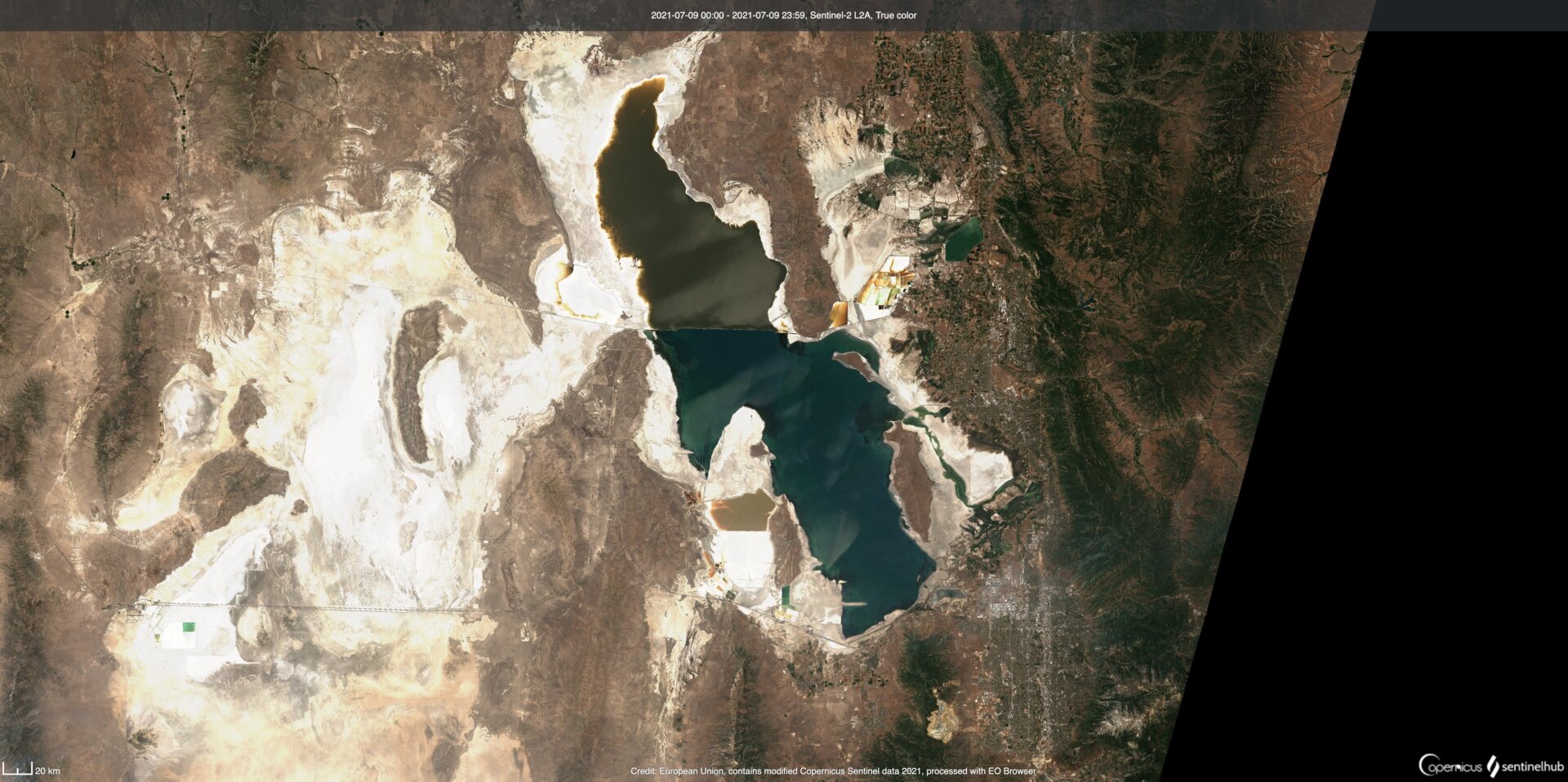
There are also really worrisome air quality implications tied to the shrinking lake. The dry lakebed, the AP reported, has now grown to around 750 square miles (1,942 square kilometers). All that dirt could be bad news for the lungs of those living in the region; the lakebed soil is naturally laced with arsenic, and experts are worried that winds could circulate dangerous dust into the air.
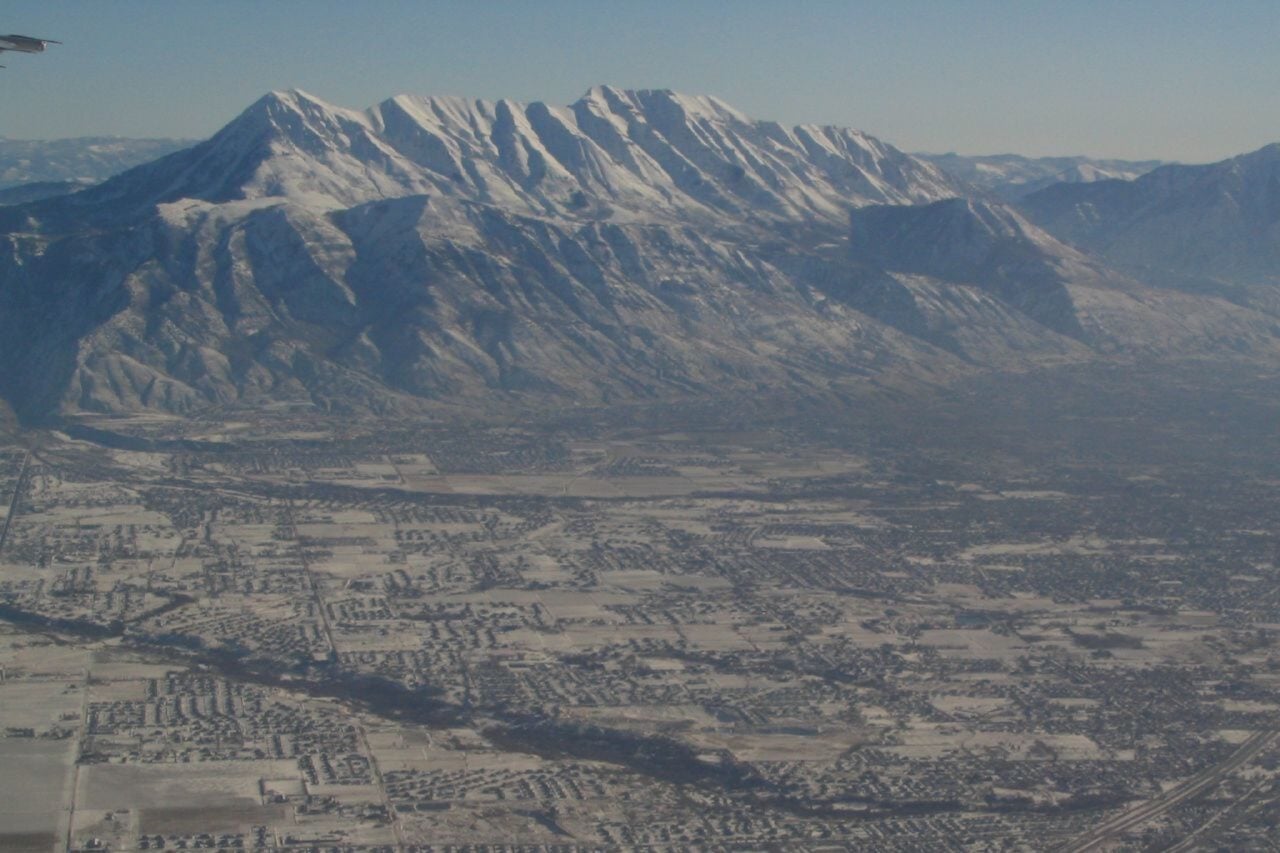
The Salt Lake is hemmed in by mountains, which trap a lot of air pollution. Salt Lake City already has some of the worst air quality in the U.S. Much of that is caused by fossil fuel pollution, but Utahns may be able to add “arsenic lake dust” to that load. In a vicious twist, some scientists also say the dust kicked up from the dry lake could even speed the melting of snow in the winter.
“A lot [of] us have been talking about the lake as flatlining,” Lynn de Freitas, executive director of Friends of the Great Salt Lake, told the AP.